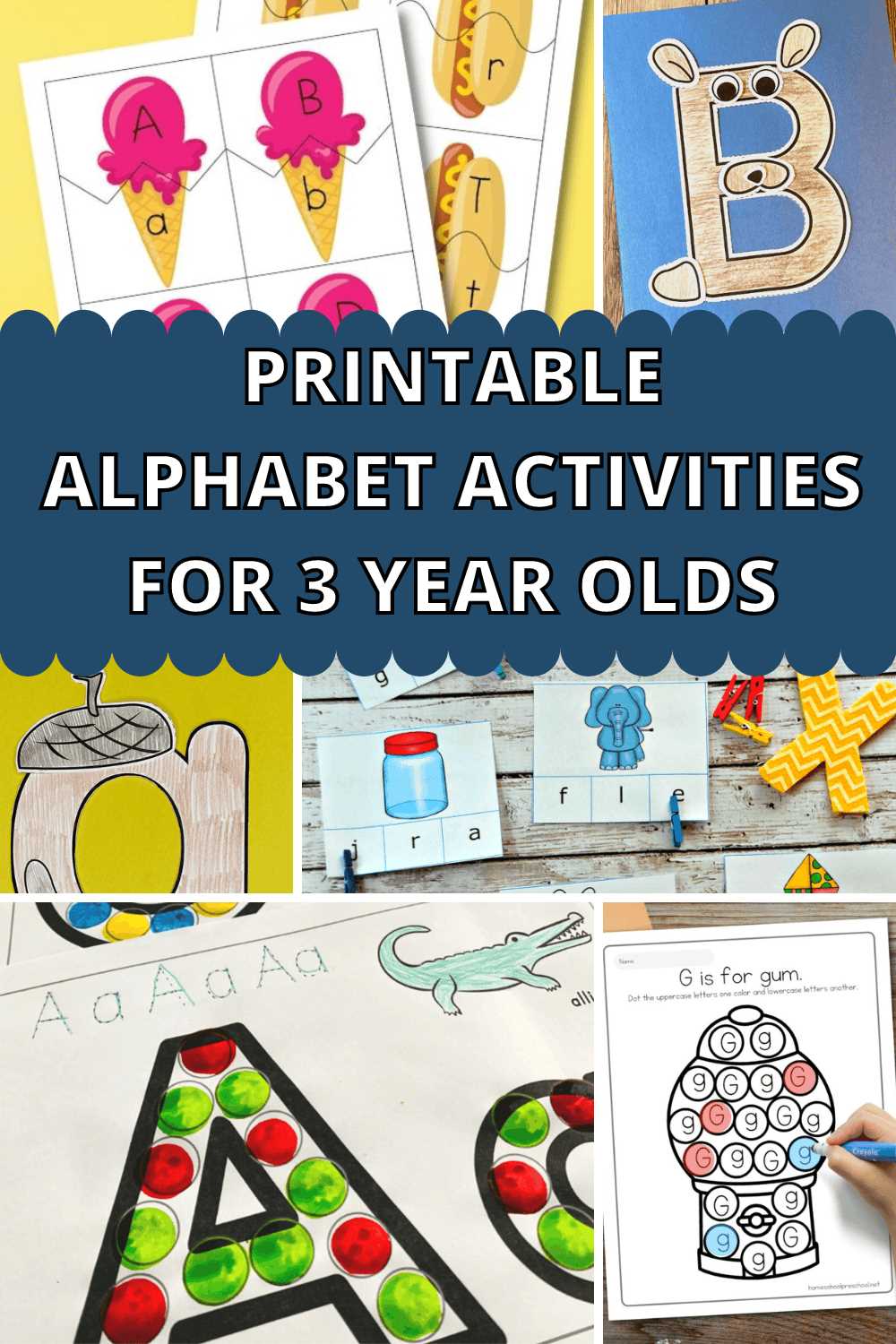
1. Color Matching
Creating a set of colorful objects or shapes and asking the child to pair them based on their hue strengthens recognition skills. Print various color sheets and cut them into small pieces for matching games. You can introduce different themes such as animals or vehicles to keep the interest alive.
Materials
- Colored paper
- Scissors
- Markers or crayons
2. Shape Sorting
Design various geometric shapes on paper. Have the child sort them into groups based on their type, size, or color. This helps develop their understanding of basic geometry and fine motor skills.
Materials
- Shapes printed on paper
- Scissors
- Bowls or containers for sorting
3. Animal Tracks
Make animal prints on paper using simple shapes like circles, ovals, and triangles. Ask the child to match the tracks to the correct animal. This encourages both creativity and learning about different animals.
Materials
- Animal images
- Markers or stamps
4. Counting Fun
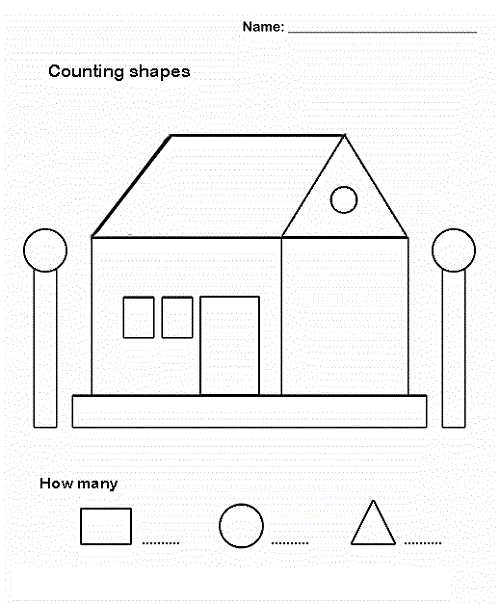
Use illustrations of fruits, animals, or other objects. Ask the child to count how many of each item appear on the page. This improves number recognition and counting skills.
Materials
- Printable images of objects
- Pen or pencil for marking
5. Nature Scavenger Hunt
Print a list of common items found in nature, such as leaves, rocks, or flowers. Let the child explore the yard or park, marking off each item they find. This promotes exploration and outdoor activity.
Materials
- Scavenger hunt list
- Bag for collecting items
6. Sensory Exploration
Prepare sheets with different textures such as bumpy, smooth, or fuzzy. Have the child match each texture with a corresponding object. This activity strengthens sensory skills and encourages curiosity about the world around them.
Materials
- Textured paper
- Various objects with different textures (fabric, paper, foam, etc.)
7. Puzzle Building
Create simple jigsaw puzzles by cutting a picture into various sections. Encourage the child to reassemble the pieces, helping with hand-eye coordination and problem-solving abilities.
Materials
- Printed picture
- Scissors
8. Tracing and Drawing
Provide pages with dashed lines in the shape of simple letters, numbers, or pictures. This activity helps with handwriting practice and drawing skills. It’s also a good way to start introducing the alphabet and numbers.
Materials
- Printed tracing sheets
- Pencils or crayons
Fun and Engaging Tasks for Little Ones
One of the simplest and most enjoyable ways to keep young minds engaged is with simple sorting challenges. Use pictures of various animals, vehicles, or objects. Let them classify each into the appropriate category. This can improve their ability to group similar things while also expanding vocabulary.
Another engaging exercise is matching shapes to their corresponding outlines. Draw various shapes on paper, and have them match each shape with its template. This helps them recognize differences between geometric forms and enhances motor coordination as they trace or position the pieces correctly.
For a creative twist, introduce a coloring section where they can explore color recognition. Provide simple illustrations like flowers, trees, or cars and let them experiment with different colors. This not only boosts creativity but also helps them learn about color combinations and their meanings in the real world.
Memory games can also be an excellent choice. Show them a set of 5 to 7 items and ask them to memorize their order. Then, take one away and see if they can guess which one is missing. These kinds of activities strengthen their recall skills and focus abilities.
Interactive puzzles are another must-try. Choose simple ones with large pieces that they can put together. These puzzles are great for developing problem-solving skills and hand-eye coordination, as they work through figuring out how pieces fit together to form a picture.
Incorporating sound recognition tasks adds an auditory layer. Play different animal sounds or musical notes and have them identify the source. This helps develop listening skills and enhances their understanding of sounds in their environment.
Lastly, pretend play using cut-out characters can be a hit. Have them act out scenarios with paper dolls or figurines. This kind of imaginative play encourages storytelling skills and lets them practice social interaction in a safe environment.