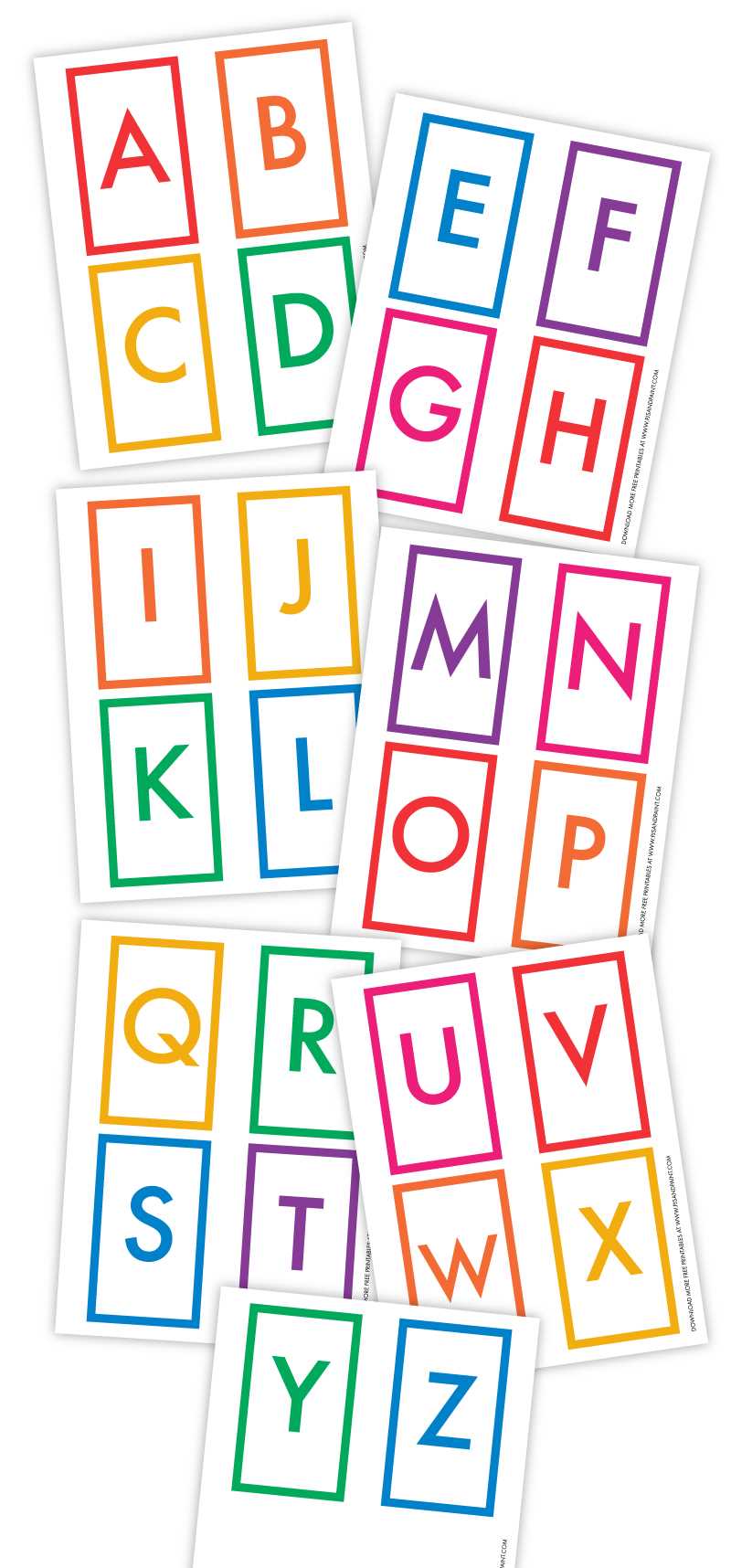
Download a high resolution PDF set with A to Z character cards sized at 7 × 10 cm and print them on 200–250 gsm cardstock for daily reading drills. Use bold sans serif fonts at least 200 pt for uppercase symbols and 160 pt for lowercase forms to improve recognition accuracy.
Choose a clean layout with one character per card and a white background to reduce visual overload. Add a simple picture cue in the corner, limited to one object per sheet, so children connect sound and symbol without distraction.
Laminate each study card with 80–125 micron pouches to prevent bending and surface wear. Rounded corners reduce paper cuts and extend classroom use. Store the full A–Z set on a binder ring or in labeled envelopes grouped by vowel and consonant categories.
ABC Study Cards for Early Literacy Practice
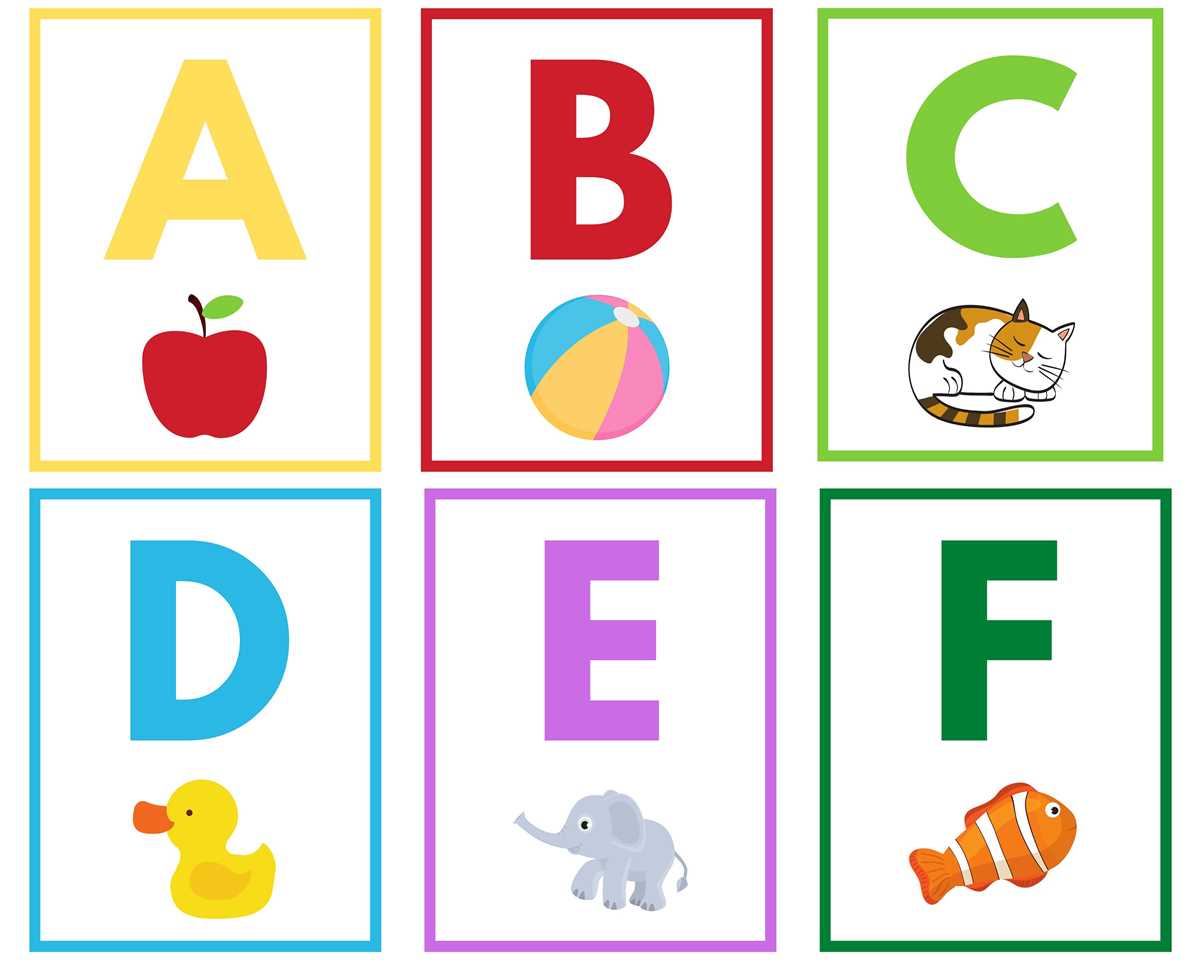
Download a full A–Z character set in PDF format at 300 DPI and print it on 220 gsm cardstock to create durable study cards for preschool and kindergarten use. Keep page scaling at 100% to maintain consistent symbol proportions.
Select a sans serif typeface with clear distinctions between similar forms such as b and d or p and q. Uppercase symbols should measure at least 5 cm in height, while lowercase forms can be slightly smaller to reflect real reading conditions.
Use one symbol per card with wide margins and high contrast black text on a white background. Avoid decorative fonts and busy graphics that distract from phonics training.
Add a small image cue in the lower corner representing a simple word like apple or ball. Limit artwork to a single object to keep attention on sound recognition rather than illustration details.
Laminate each sheet with 100 micron pouches to prevent bending and surface damage. Rounded corners reduce wear during daily handling by young learners.
Organize the full character series into vowel and consonant groups using color-coded borders. For example, apply a thin red frame for vowels and blue for consonants to support quick sorting activities.
Practice five to seven symbols per session, rotating cards every two days. Short drills of 5–10 minutes improve retention more than long review periods.
Store the finished set on binder rings or in labeled envelopes to keep the A–Z sequence intact and ready for classroom or home reading exercises.
How to Choose the Right Font Size and Layout for Letter Cards
Set uppercase characters to at least 180–220 pt on an A4 or US Letter sheet divided into four panels, which results in symbols about 6–7 cm tall after cutting. This size allows clear recognition from a distance of 1–2 meters during group drills.
Select simple sans serif typefaces such as Arial, Helvetica, or Century Gothic to avoid confusion between similar shapes. Ensure clear differences between pairs like b and d or m and n by checking stroke endings and spacing.
Keep one character centered on each card with margins of at least 1.5 cm on all sides. Avoid placing text too close to edges, as trimming inaccuracies can cut into strokes and distort the form.
Use high contrast black text on a white background for early readers. Pastel backgrounds may look attractive but reduce clarity under classroom lighting.
If adding a picture cue, place it in the lower right corner and limit it to 20–25% of the surface area. The main symbol must remain the dominant visual element.
Test a sample sheet before producing the full A–Z set. Print one page, cut it, and observe visibility, spacing, and proportion in real conditions to confirm readability and balance.