Start by selecting simple sketching exercises that focus on basic shapes like circles, squares, and triangles. These are great for beginners and help build the foundational skills needed for more complex designs. Use templates that allow learners to complete and personalize their drawings, like a half-finished portrait or landscape where they can add their own details.
For intermediate levels, challenge students with more detailed activities such as shading exercises or proportion practice. These types of tasks help improve control and observation skills. You can find resources that guide learners through the process of adding depth and texture, making their creations more realistic and refined.
For advanced learners, incorporate activities that require critical thinking, such as creating compositions or experimenting with perspective. You could also offer prompts that push creative boundaries, like abstract designs or mixed media projects. These exercises help students think outside the box and develop their unique artistic voice.
Free Printable Art Worksheets
Start by focusing on exercises that allow students to trace and replicate basic shapes. Simple tasks like tracing circles, squares, and triangles help develop control over lines and angles. These exercises are perfect for beginners, as they build muscle memory and basic understanding of structure in drawing.
Introduce shading exercises as soon as learners are comfortable with basic shapes. Start with simple objects such as spheres and cubes. Provide guides that show how to apply light and shadow to create depth. Encourage students to experiment with different shading techniques, like cross-hatching and stippling, to see how they can manipulate light and dark areas.
For those looking to expand their skills, offer exercises on proportion. Provide students with outlines of figures or faces with missing parts, challenging them to fill in the proportions accurately. This helps improve their observational skills, which are key to creating more realistic images.
Integrate exercises on perspective to add dimension to students’ drawings. Start with one-point perspective and gradually move to two-point and three-point perspectives. These exercises are vital for creating a sense of space and depth in their compositions. Use grids and examples to help them visualize the concept more clearly.
Incorporate more complex design challenges for students at intermediate and advanced levels. These could include themes like still life, where students must draw multiple objects from real life, paying attention to arrangement, shadow, and scale. By practicing from observation, they strengthen their accuracy and attention to detail.
Encourage creativity through exercises that allow for personal expression. Use prompts that let students create abstract designs or experiment with different mediums. For example, assign a task where they can combine pencils, markers, and watercolors to create a mixed-media project. This promotes exploration of texture and color blending.
Incorporate feedback into activities by allowing students to critique each other’s work. Pair them up to provide constructive comments based on specific criteria, such as accuracy of proportions, use of light and shadow, or creative choices. This fosters a collaborative learning environment and improves critical thinking skills.
Lastly, provide opportunities for self-assessment. After completing each task, encourage students to reflect on their process and the skills they’ve developed. Have them identify areas they feel confident in and areas that need improvement. This helps them take ownership of their growth and sets clear goals for their future work.
How to Choose the Right Art Worksheets for Different Age Groups
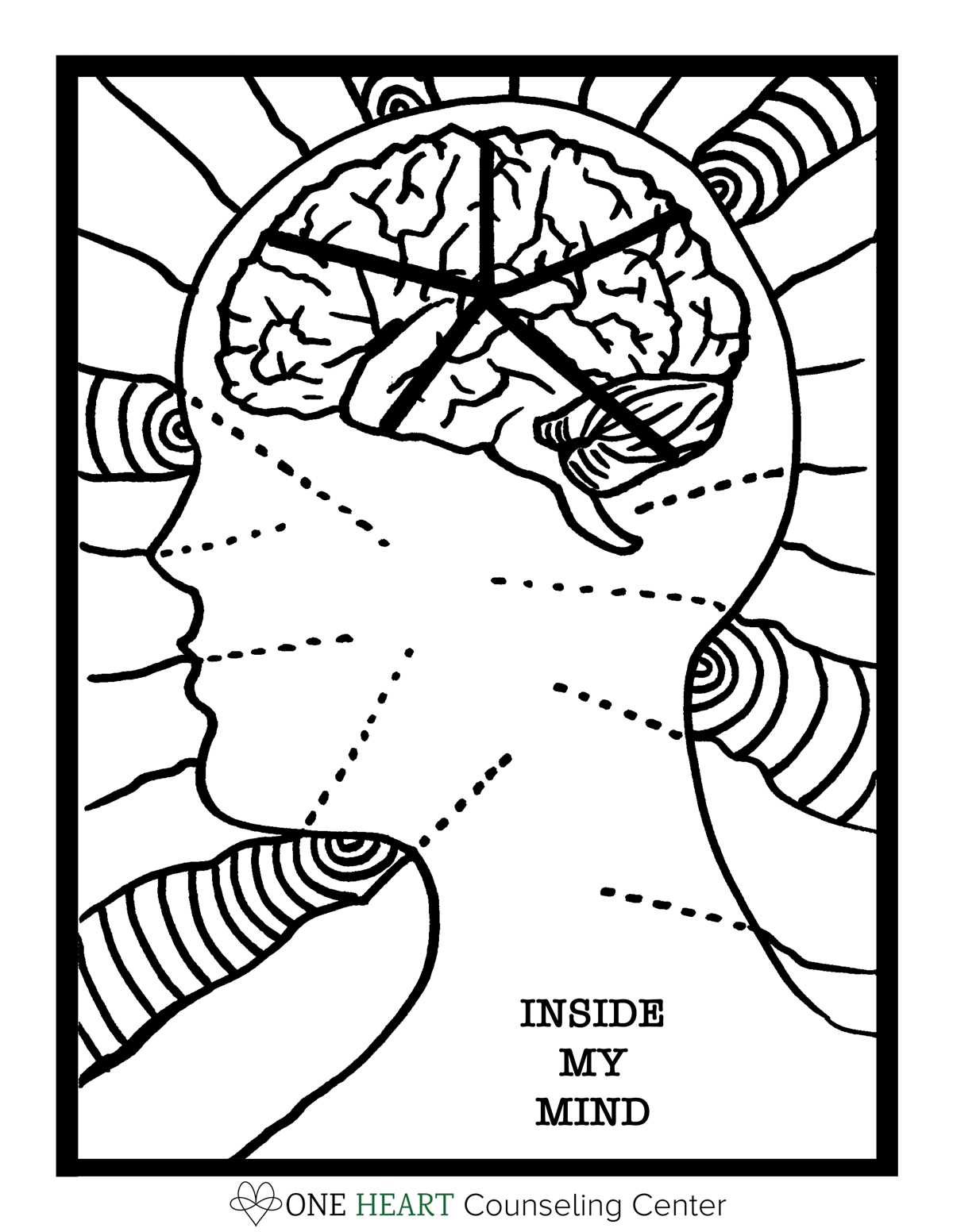
For younger children, select simple exercises that focus on basic shapes and coloring. Activities like connecting dots, tracing shapes, and coloring within lines help them develop motor skills and an understanding of form. Keep the instructions clear and visually engaging to hold their attention.
For older children, move on to tasks that require more precision, such as drawing specific objects or practicing basic shading. These tasks help build their ability to observe and replicate the real world, which is key to their artistic development. At this stage, challenge them with exercises that introduce basic principles like light and shadow.
For teenagers and adults, incorporate more complex activities that involve creativity and technique. Provide exercises that explore composition, perspective, and color theory. Tasks that involve drawing from real-life objects, using various mediums, or designing abstract pieces will push their skills and creativity further.