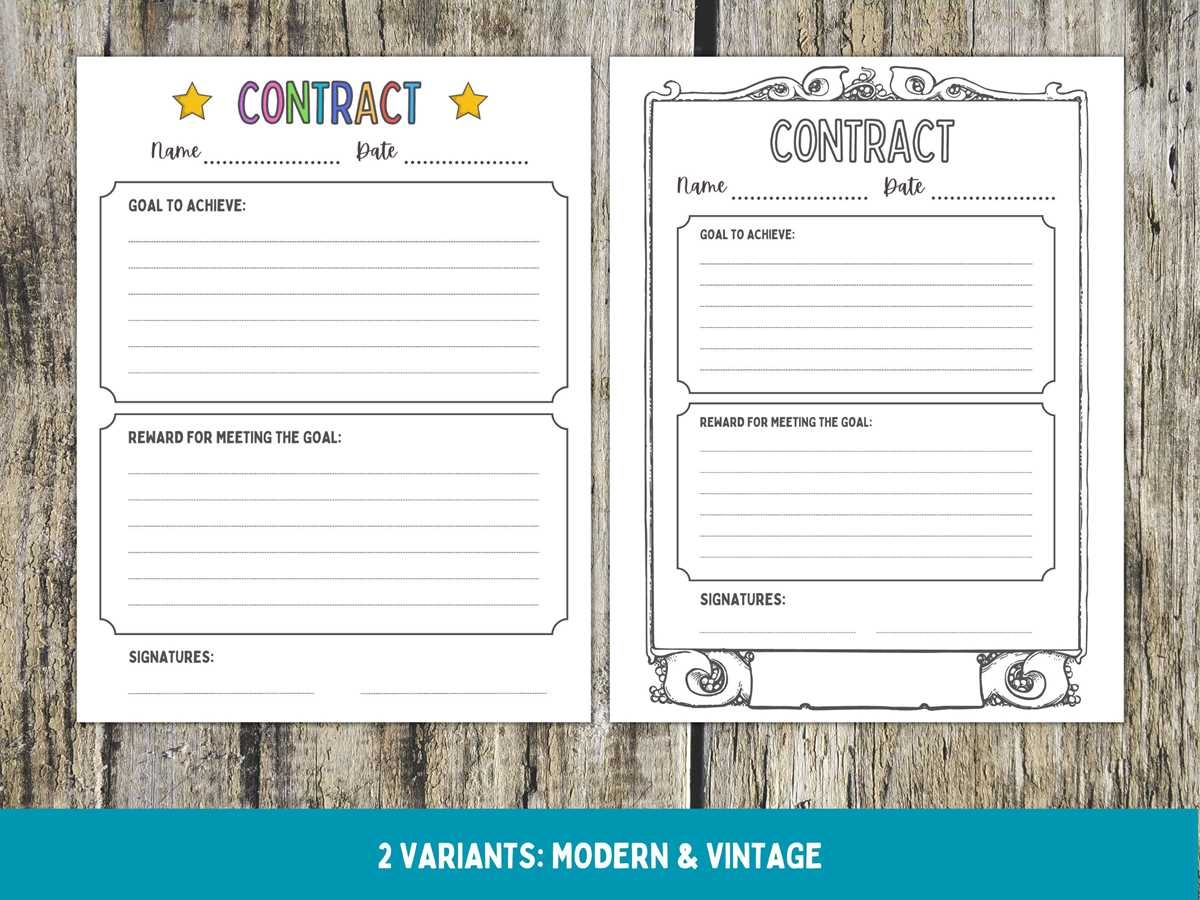
Start by setting clear expectations with a written agreement for kids. These agreements should define what actions or behavior are expected and the rewards they will receive for meeting these standards. Use simple, age-appropriate language that children can easily understand.
Make the terms specific. Instead of vague terms like “be good,” focus on specific actions such as “complete homework on time,” “help with chores,” or “show respect to others.” This way, there is no ambiguity in what is expected.
Designing Customizable Agreements
Use customizable templates to create agreements tailored to the needs of your child or student. You can easily find online tools that allow you to modify text, add your own conditions, and insert reward systems. These tools also make it easy to update the terms as needed, especially as progress is made.
Include both positive rewards and consequences. Rewards could range from extra playtime or a special treat to a bigger reward, like a day out or a new toy. Similarly, be sure to list the consequences for not meeting the expectations, but keep them fair and constructive to encourage learning from mistakes rather than punishment.
Tracking Progress and Recognizing Achievements
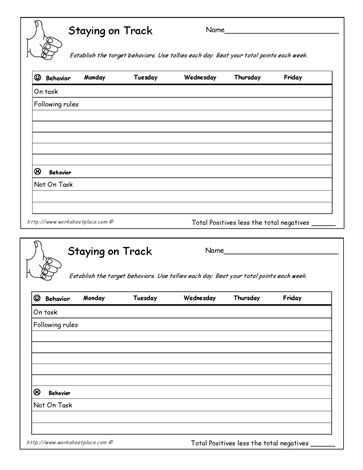
To monitor progress, use a visual tracking tool that allows kids to see their accomplishments and areas for improvement. For example, a simple system like a sticker chart can work wonders. Place a sticker or mark on the chart each time the child completes a task or follows through with a positive behavior. This not only reinforces good habits but also helps children feel proud of their achievements.
It’s important to keep the tracking system engaging. If children see that their efforts are being recognized consistently, they will be motivated to continue working hard. Over time, consider using these tools to reinforce independence, so that the child can eventually track their own progress.
Lastly, always review the agreements and tracking tools periodically. Adjust them to fit your child’s growth and changing needs. Regular updates keep the process fresh and meaningful while ensuring it stays aligned with their development.
How to Create Effective Reward Systems for Children
Start by outlining specific tasks or actions you want to encourage, such as completing chores, being respectful, or finishing schoolwork. Make sure each task is clear and achievable. For instance, instead of vague goals like “be good,” set actionable objectives like “clean up your room” or “finish your homework by 5 p.m.” This provides a sense of structure and makes it easier to track progress.
Incorporate a visual element like a star or point system to keep kids motivated. By assigning points or stickers for each completed task, children can visually see their progress and feel accomplished. Adjust the system over time as needed to maintain interest and align it with evolving needs. Rewarding positive actions consistently with such a system not only encourages responsibility but also boosts self-esteem.