
Before proceeding with any injectable cosmetic procedure, it’s important to have a structured agreement in place that outlines the key aspects of the treatment. This document ensures both the practitioner and the client understand the procedure, potential risks, and aftercare. Here’s how to create a thorough and legally binding document for aesthetic treatments.
Steps to Create an Aesthetic Treatment Agreement
The first step is to outline the core elements of the treatment in a clear and understandable manner. These elements should include the procedure details, expected outcomes, and potential side effects. The document should also include a section where the patient acknowledges that they have provided accurate health information and agree to the terms laid out. This helps mitigate risks and ensure informed consent.
1. Gather Patient Information
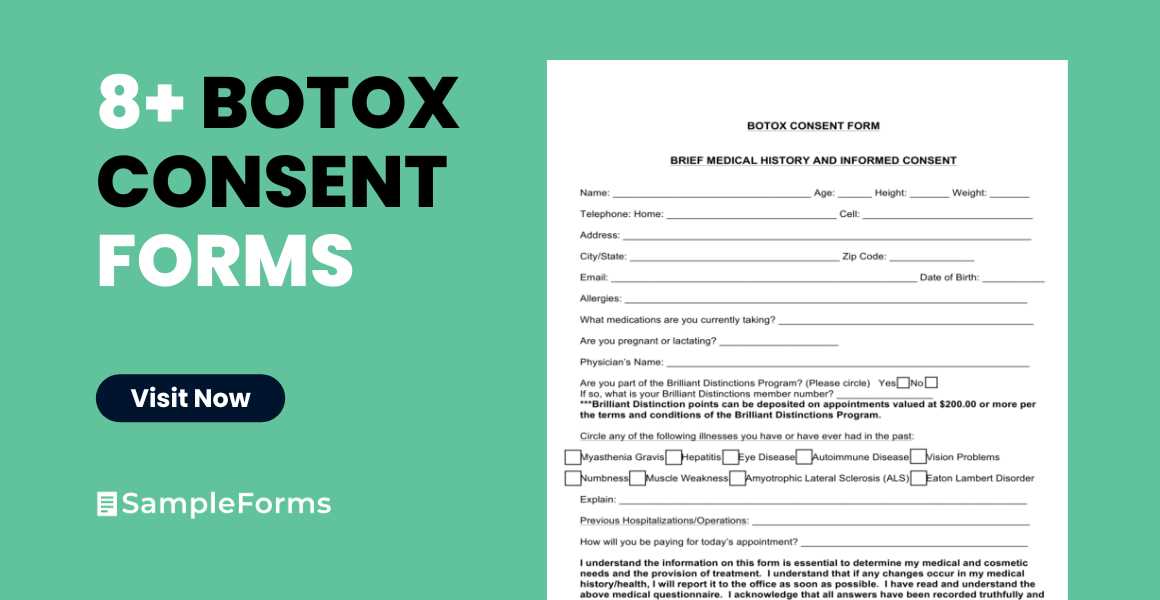
Collect basic information such as the patient’s name, age, and contact details. It’s also essential to include a medical history section, especially highlighting any allergies, previous treatments, or conditions that could affect the treatment’s success.
2. Detail the Treatment Process
Clearly explain the steps of the procedure, including the type of injectables used, the expected duration, and any post-treatment instructions. Ensure the patient understands how long the results are likely to last and what to expect during recovery.
3. Include Risk Acknowledgment
Be transparent about the possible risks involved. List common side effects like swelling, bruising, or minor pain at the injection sites. Additionally, include information about rare but more serious risks, such as allergic reactions or infection.
Key Points to Include in the Agreement
In addition to the treatment details, the agreement should contain a few legal and logistical clauses to protect both parties.
- Payment Terms: Specify the cost of the treatment and the payment schedule. Clarify if deposits or cancellations apply.
- Confidentiality Clause: Reassure clients that their personal and treatment information will remain private.
- Consent to Use Photos: Some practitioners may want to take before-and-after photos for promotional or medical purposes. Ensure the client consents to this in writing.
- Right to Refuse Treatment: Include a statement that allows the practitioner to refuse the procedure if they determine it is not appropriate for the client’s condition.
Once the document is completed, review it with the client and give them an opportunity to ask any questions. This ensures that they fully understand the procedure and their role in the treatment process. Only after this conversation should they sign the agreement, confirming they are ready to proceed.
By using a well-structured agreement, both the practitioner and the client are protected, ensuring a smooth and transparent aesthetic treatment experience.
Detailed Aesthetic Procedure Agreement Template
To avoid misunderstandings, it’s important to have a written agreement that clearly outlines the details of the procedure, potential risks, and the patient’s responsibilities. This document ensures both parties are on the same page about the treatment process, from start to finish. Including sections that outline the procedure steps, recovery time, and aftercare instructions will help the client understand what to expect and take responsibility for their part in the process.
Incorporate sections that cover medical history, allergies, and previous treatments. This helps to safeguard the practitioner and informs the treatment process. Having the patient provide accurate health information ensures a smoother procedure and reduces risks. Include a clause that specifies the patient acknowledges the information they’ve provided is correct and agrees to the treatment terms. Ensure that the agreement is straightforward, using simple language to avoid confusion.
Additionally, include clear terms related to payment, cancellations, and confidentiality. Stating how and when payment is expected, along with any deposit requirements, avoids potential disputes. A confidentiality clause assures the patient that their personal information will remain private, fostering trust. Finally, including a cancellation policy ensures that both the client and practitioner are clear on how last-minute changes or rescheduling will be handled.