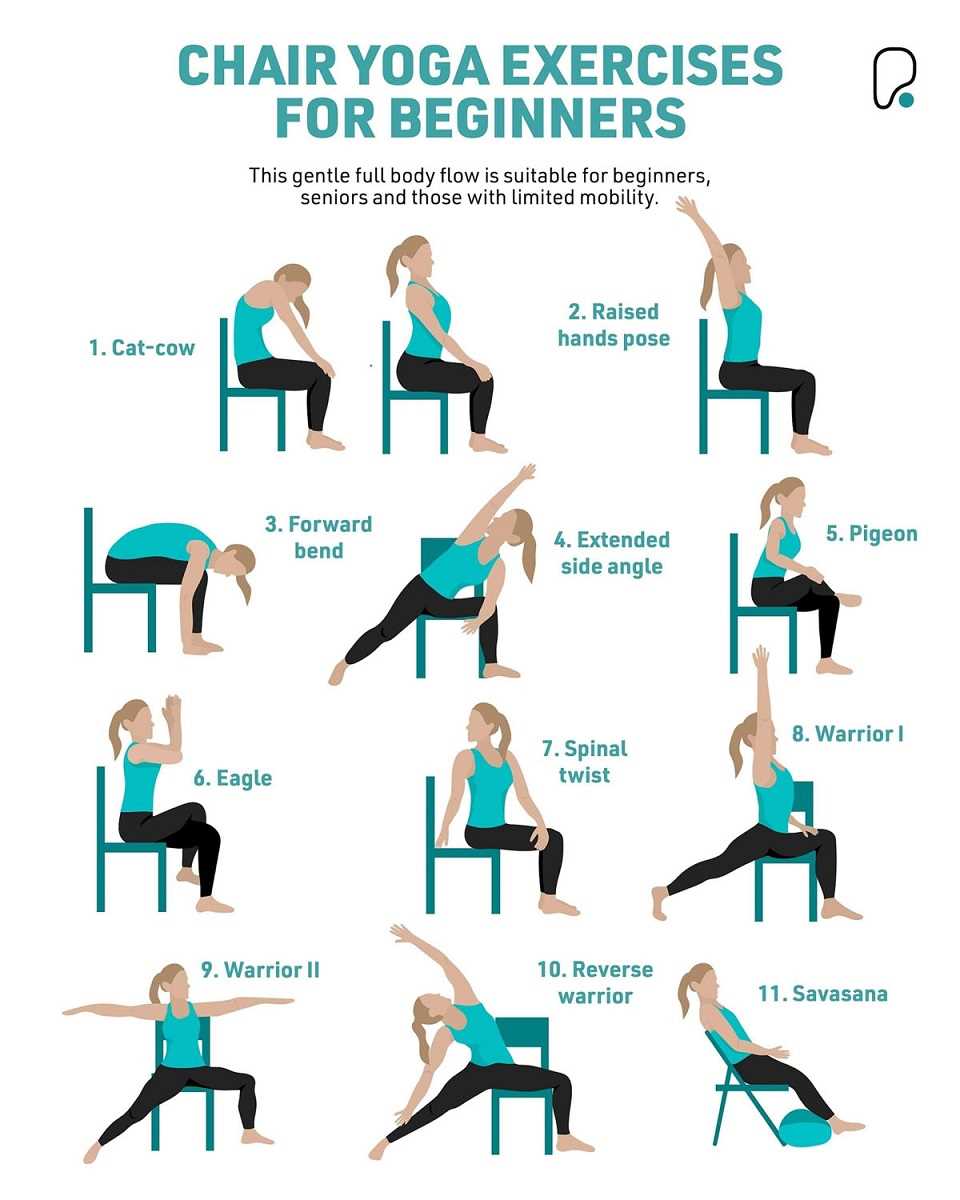
Incorporating simple stretches into your daily routine can significantly reduce stiffness and improve flexibility, especially for those who spend long hours seated. Follow these exercises during breaks to relieve tension and enhance circulation.
Effective Exercises for Upper Body Relief
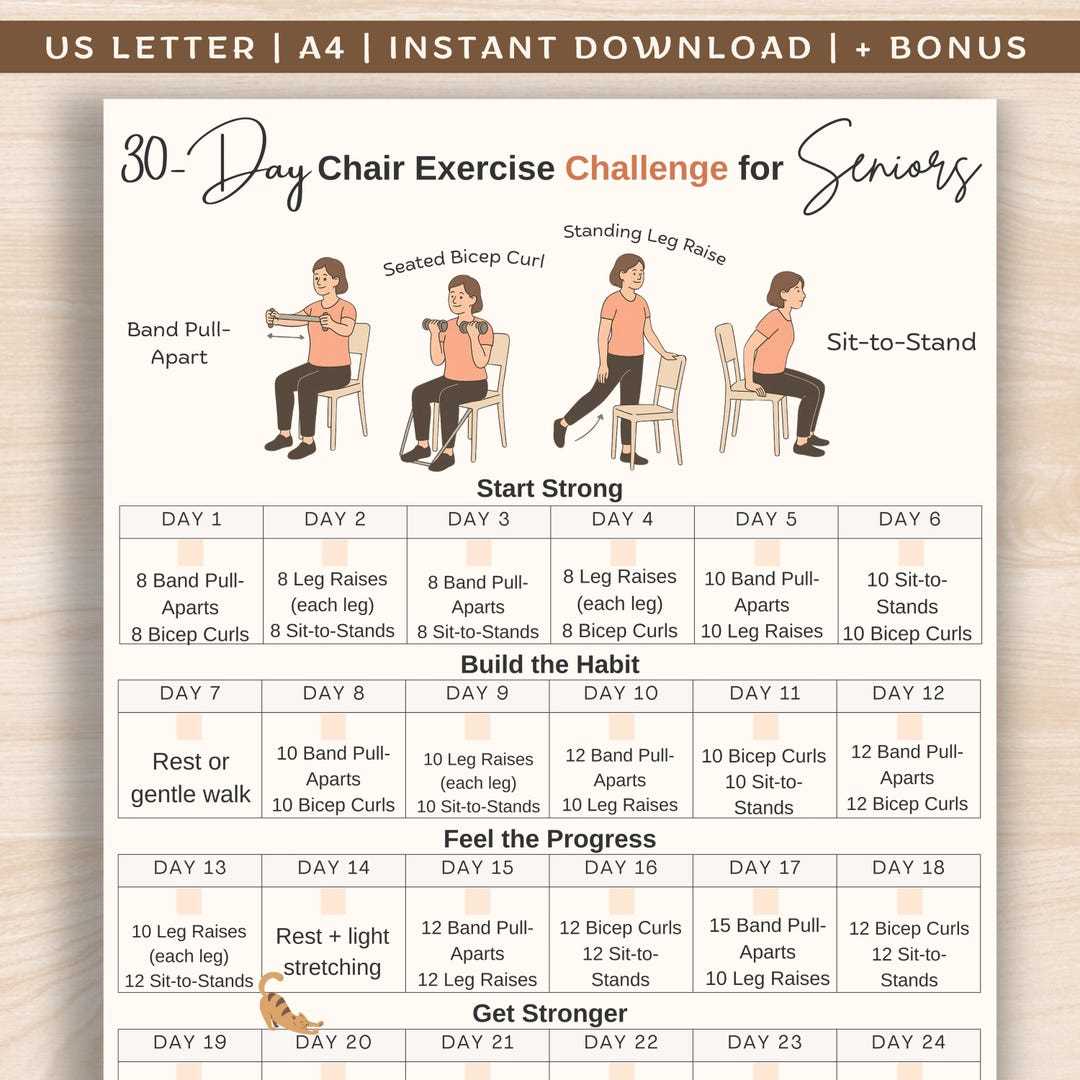
Start with stretches targeting the shoulders, arms, and neck to alleviate tension from sitting too long. These movements can help reduce the discomfort caused by poor posture.
- Neck Tilt: Slowly tilt your head toward each shoulder, holding for 10 seconds on each side. This helps to stretch the neck muscles and relieve strain from desk work.
- Shoulder Shrugs: Lift your shoulders up toward your ears and hold for a few seconds before lowering them. Repeat this 10 times to release tension from the upper back and shoulders.
- Arm Reach: Extend one arm overhead and gently lean to the opposite side. Hold for 15 seconds, then switch arms. This helps to stretch the sides of your torso.
Lower Body Stretches for Flexibility and Circulation
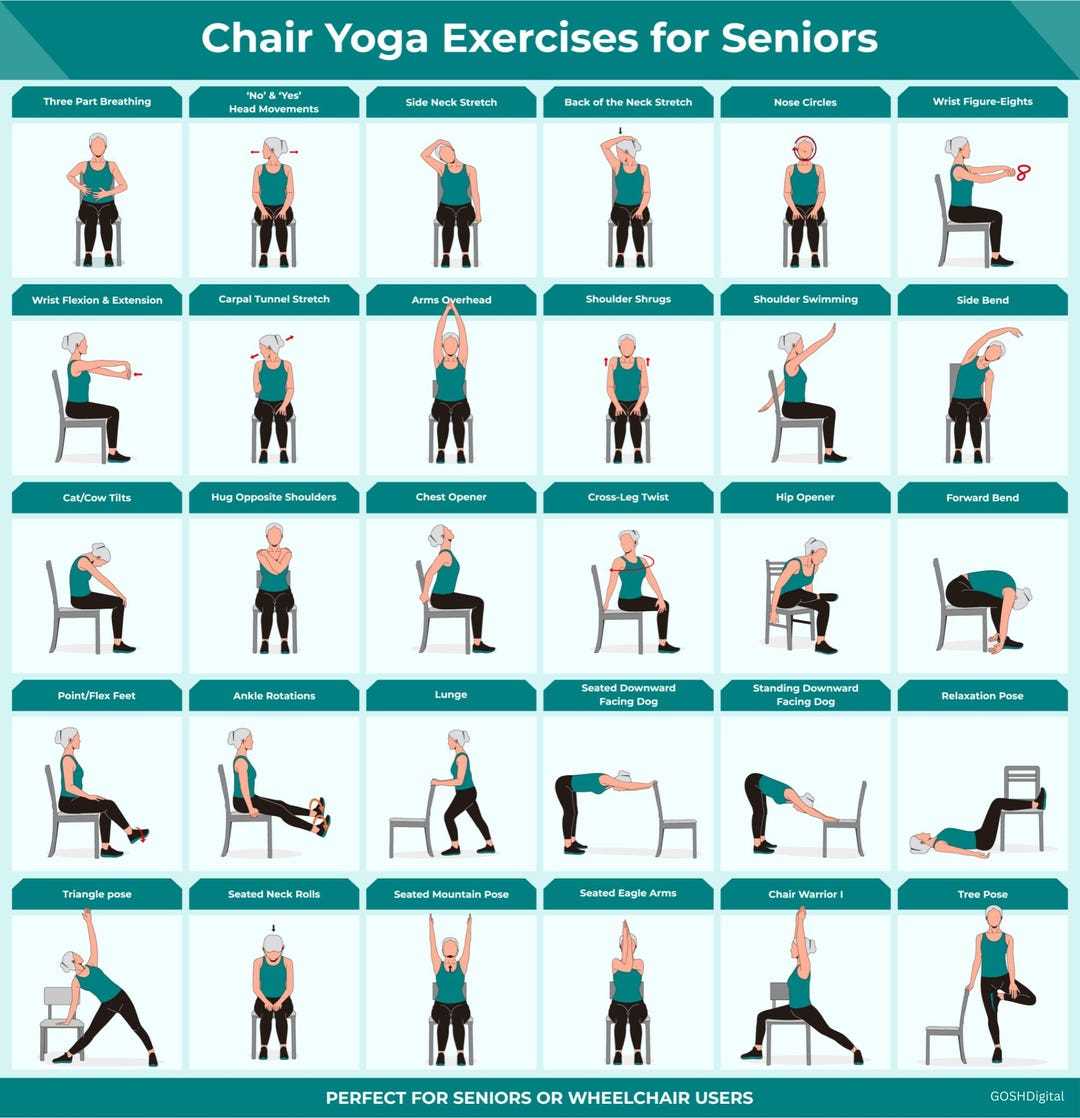
In addition to upper body stretches, focusing on your legs and hips can provide relief from the pressure placed on these areas by long periods of sitting. These exercises improve circulation and flexibility in the lower body.
- Seated Leg Extensions: While sitting, extend one leg out straight and hold for 5 seconds, then switch. This helps improve leg strength and flexibility.
- Hip Flexor Stretch: Sit at the edge of your chair, place one foot on the floor, and extend the other leg straight out. Lean slightly forward, feeling the stretch in your hip flexor. Hold for 20 seconds on each side.
- Calf Raises: While seated, lift your heels off the ground and hold for a few seconds before lowering. Repeat 15 times to promote circulation in the lower legs.
Incorporating these stretches into your day can help reduce stiffness and improve flexibility. These movements are especially beneficial for individuals who spend extended periods sitting at a desk or those looking for a simple way to stay active throughout the day.
How to Use Seated Stretching Guides for Better Posture
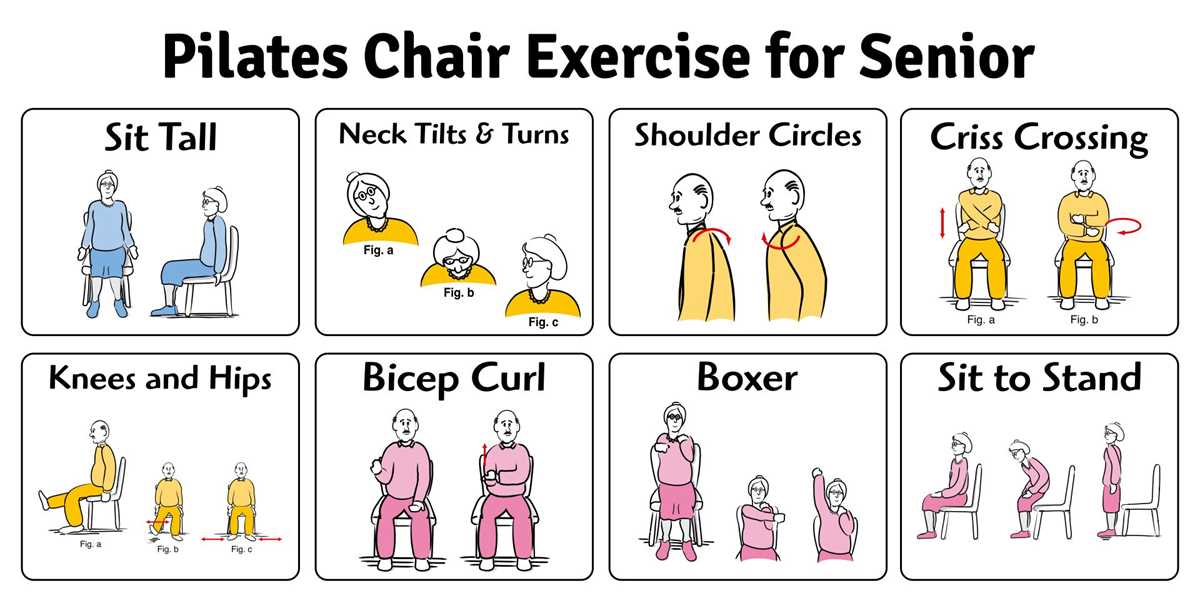
Begin by incorporating simple movements into your routine that can be done while sitting. These stretches can target key areas such as the shoulders, back, and hips, offering relief without requiring you to leave your seat.
Start with neck stretches: tilt your head from side to side, holding each stretch for at least 10 seconds. This will help relieve tension in the upper spine and shoulders.
Next, work your arms. Extend one arm straight out in front, then slowly rotate the wrist in circles for 30 seconds in each direction. Repeat with the other arm. This stretch can improve wrist mobility, especially beneficial for those using computers or typing frequently.
Focus on your lower body by extending your legs one at a time, holding each for a few seconds. This can help with blood circulation, which is important if you’re sitting for long periods of time.
For the back, perform gentle twists. With your feet flat on the ground and back straight, slowly turn your torso left and right. These twists will ease stiffness and improve spine flexibility.
Another beneficial exercise is lifting your knees toward your chest one leg at a time while seated. Hold each leg for 5–10 seconds to stretch the hip flexors. This exercise is great for counteracting the effects of prolonged sitting.
Lastly, engage your core with seated abdominal contractions. Sit tall, inhale deeply, and as you exhale, tighten your abdominal muscles for a few seconds before releasing. This simple exercise strengthens the core and promotes better posture during daily activities.