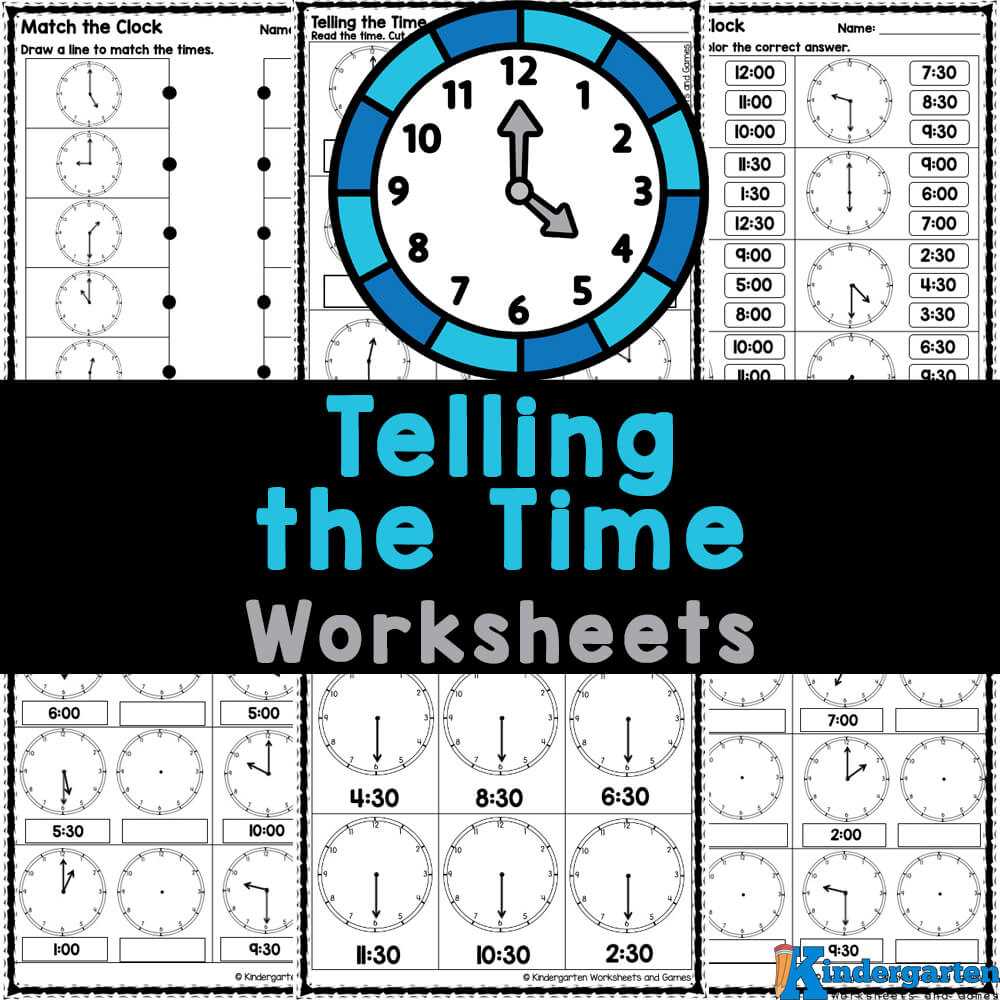
To help children master the concept of telling time, start by using engaging exercises that provide both visual and practical experiences. One method is using worksheets with various analog and digital time activities. These materials can guide kids through matching hours and minutes to images of clocks and timed events.
When selecting exercises for your child, look for options that gradually increase in difficulty. Start with basic time recognition, such as identifying the hour hand and minute hand, before progressing to more complex tasks like reading time to the nearest minute.
Understanding Time with Visual Aids
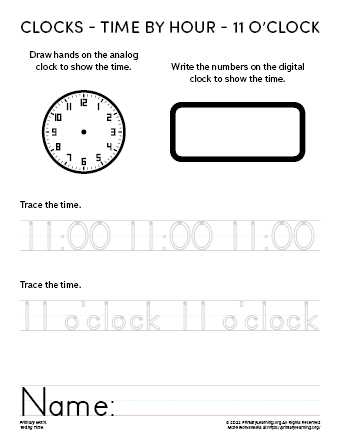
Visual aids are invaluable when teaching young learners. Use images of both traditional clock faces and digital displays. Kids can connect visual time representations with their real-world experiences. Worksheets that ask them to draw hands on a clock or fill in missing numbers on a clock face can help reinforce this skill.
Another fun activity is providing worksheets where children need to match specific times with images of daily activities–such as eating lunch at noon or bedtime at 8 PM. This method makes learning relevant to their routine.
Building Confidence with Time Telling Exercises
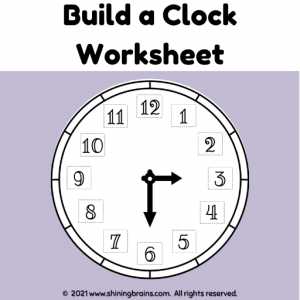
Repetition is key when building confidence in telling time. Consistently using time-telling exercises will help children become more comfortable with reading clocks. Introduce small rewards, like stickers, when they successfully complete exercises to maintain engagement and motivate progress.
As children advance, introduce more complex concepts such as understanding elapsed time or calculating the difference between two time points. By working through these steps, they will gain a deeper understanding of how time functions in everyday life.
Clock Recognition Activities for Young Learners
To help children develop a strong understanding of time, introduce activities where they match time readings with images of analog timepieces. Start with easy-to-read hours, then progress to reading minutes. Make the process interactive by asking kids to draw the hands on the clock to represent specific times. This helps build both visual and cognitive recognition skills.
Incorporating visuals like simple clocks with clear, labeled hands and numbers is another practical approach. These visuals provide the child with a direct and easy-to-understand representation of how time works. You can ask them to label the clock’s hands or identify where certain hours and minutes lie.
Fun Time-Related Tasks for Practice
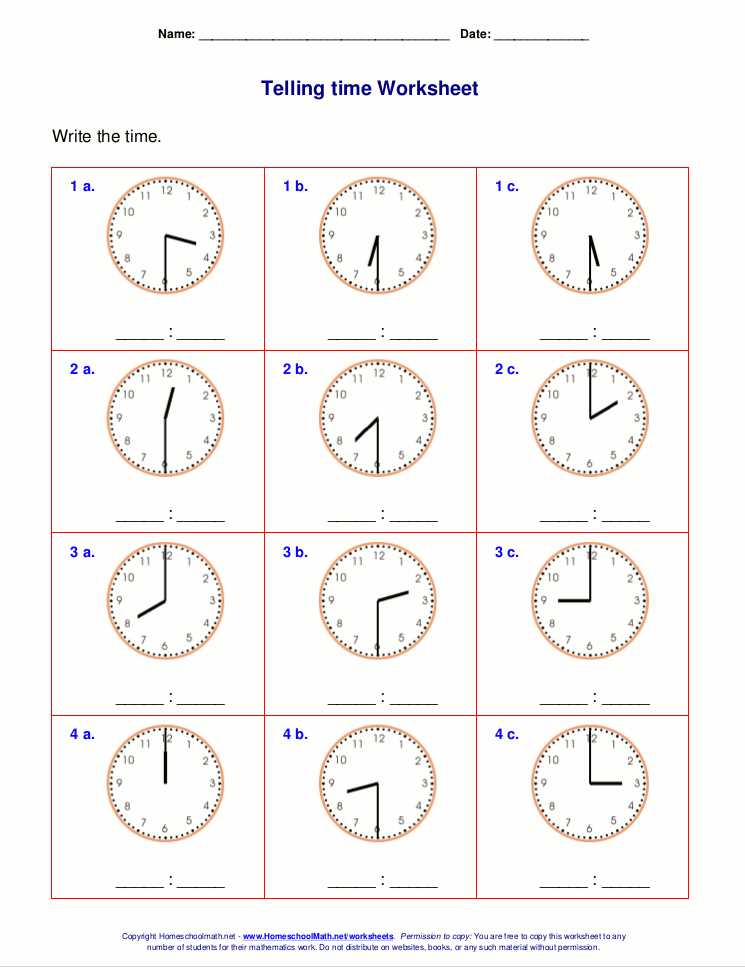
Interactive exercises such as matching specific times with real-world activities (e.g., lunchtime, playtime, bedtime) give context to learning. Children often understand concepts better when they relate them to their own experiences. For example, you might ask them to match “12:00” with an image of lunchtime or “6:00” with dinner time.
Another task could involve filling in missing numbers on a partially completed clock face. By solving these types of exercises, kids will get better at identifying numbers, understanding time intervals, and recognizing time at a glance.
Gradual Progression from Whole Hours to Minutes
Start by focusing on whole-hour times (e.g., 1:00, 2:00), which are easier to grasp, and once they are confident with these, move on to more precise times such as quarter past or half past. After that, practice specific times to the minute. Working on these tasks consistently can help children progress faster.
Using games that reinforce the learning of time intervals can also help solidify the concept. You can set up a timer, for instance, and ask children to estimate how long a task will take (such as reading a page of a book) and compare their estimates with the actual time passed.
Incorporating Digital Time Displays
While analog clocks are important, digital time displays also play a key role in a child’s understanding of time. Some worksheets include both analog and digital representations, where children need to match times between the two. This way, they become familiar with both formats, which is helpful in daily life when they encounter digital devices.
These tasks can become more complex as they progress. For example, you could introduce problems that involve converting digital time into analog time, allowing children to develop a more thorough understanding of the concept.
Building Confidence and Routine
Consistent practice with a variety of time-telling exercises builds confidence. You can introduce a reward system for completing certain activities, like adding a star or sticker for each correctly completed task. These small rewards help encourage continued learning and make the experience enjoyable.
As your child becomes more skilled, increase the complexity of the activities and introduce time-related challenges. Practice telling the time in real-world settings, like at home or during outings, to reinforce what they’ve learned and make the lesson part of their daily routine.