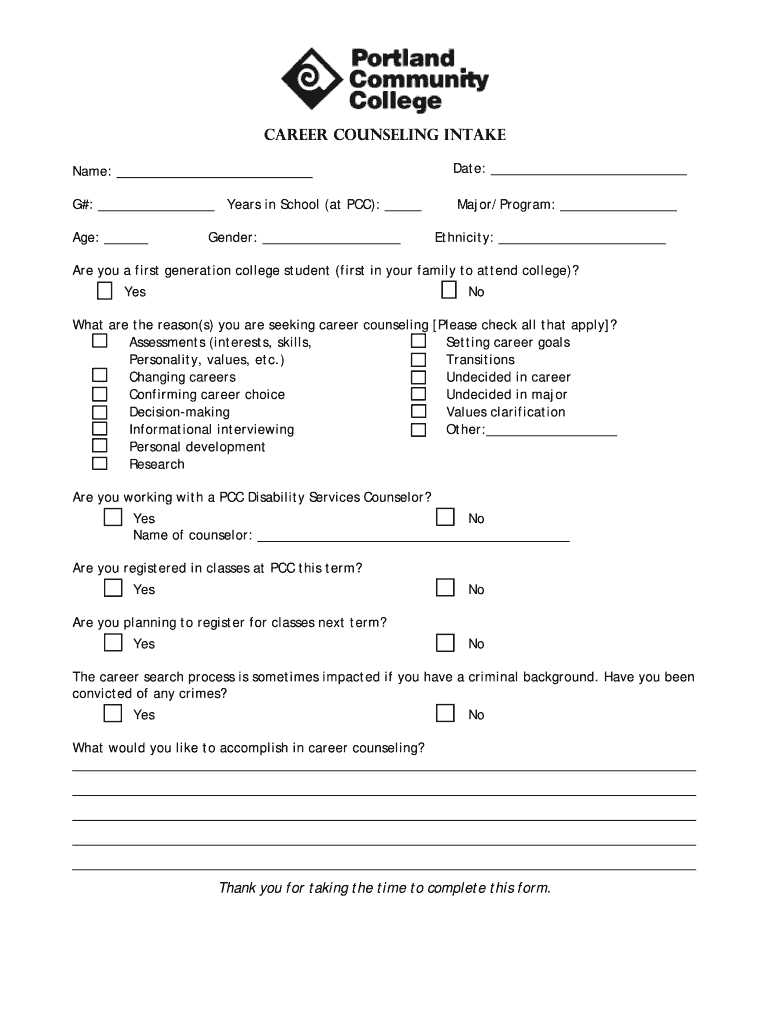
Start with a structured template that includes all key details needed to begin a client relationship. Collecting necessary data from the start ensures smoother sessions and better record management.
Designing a Structured Client Information Sheet
Each document should include the following key sections:
- Personal Information: Full name, contact details, date of birth, and emergency contact.
- Medical and Psychological History: Space for clients to disclose prior diagnoses, treatments, or relevant health conditions.
- Present Concerns: Questions that guide the client to describe their main issues and current emotional state.
- Insurance or Payment Information: To ensure clarity regarding how services will be paid for, include insurance details if applicable.
How to Make the Process Simple and Clear
Consider these tips when creating your client data collection method:
- Simplicity: Avoid overwhelming your clients with excessive fields. Only request information that directly aids in providing services.
- Clear Instructions: Make sure all sections are easy to understand and well-explained, helping clients fill them out without confusion.
- Legibility: Ensure that the document is readable, with enough space for answers and a layout that’s easy on the eyes.
- Confidentiality: Make sure to clearly communicate how their data will be used and stored securely.
Tools for Customization and Storage
There are various tools available online to create, customize, and store these documents. Using templates will save time, but make sure to tailor them for your practice’s specific needs. Consider saving completed forms in secure digital storage systems for easy access and safe record keeping.
How to Create an Efficient Client Registration Template
Begin with a simple yet detailed layout that allows clients to provide all necessary details in a streamlined format. Avoid overwhelming the client with too many sections. Stick to collecting personal data, health history, current issues, and billing information.
Ensure each section is labeled clearly. For example, include “Personal Information,” “Health History,” and “Current Concerns” as distinct categories. Use bullet points or short prompts to guide the client, allowing for easy and quick completion.
Incorporate a section for emergency contacts and notes regarding previous treatments or diagnoses. This helps avoid redundant questions during future sessions. Make sure to leave space for additional comments from the client, such as any relevant experiences they feel are important.
Ensure that the design is easy to read. Use large enough fonts and enough space between fields so that information is clearly distinguishable. Clients should be able to fill out the document comfortably, with no difficulty understanding the required fields.
Additionally, consider including a section where the client can acknowledge their understanding of privacy and confidentiality policies. This builds trust and assures clients that their personal details will be securely managed.
Once the document is created, make it accessible for clients in multiple formats. Having it available online or as a downloadable document makes it easy for clients to access before their first session. Keep the design simple so that customization for individual needs can be done effortlessly.