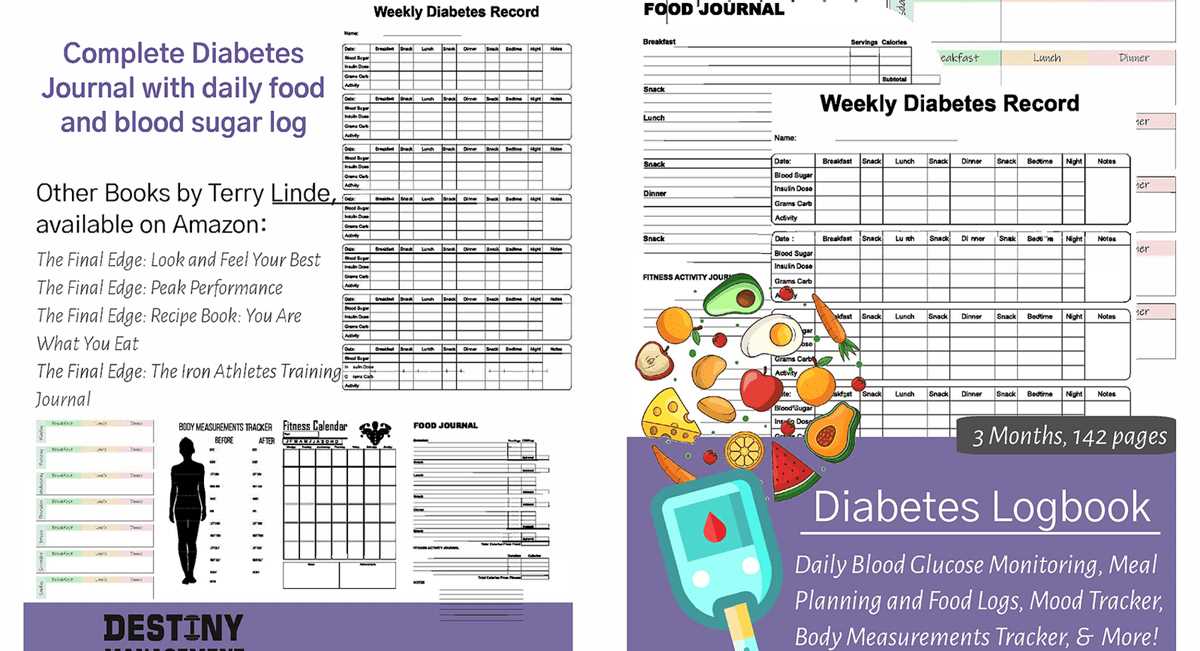
Using a structured format to record your blood glucose levels can help you manage your health more effectively. Choose a template that includes space for tracking key details such as the time of measurement, glucose reading, insulin dosage, and meal times. This allows you to spot trends and make informed decisions about your treatment plan.
Many online platforms offer downloadable forms that cater to different needs. Some provide options for daily, weekly, or monthly tracking, giving you flexibility in how you monitor your health. Depending on your requirements, select the one that offers the right level of detail without overwhelming you with unnecessary fields.
Make sure to update your sheet consistently. This habit not only helps you stay on top of your glucose levels but also provides valuable insights for your healthcare provider. Sharing these logs during appointments can lead to more personalized recommendations for your diabetes care plan.
How to Choose the Right Template for Tracking Your Glucose Levels
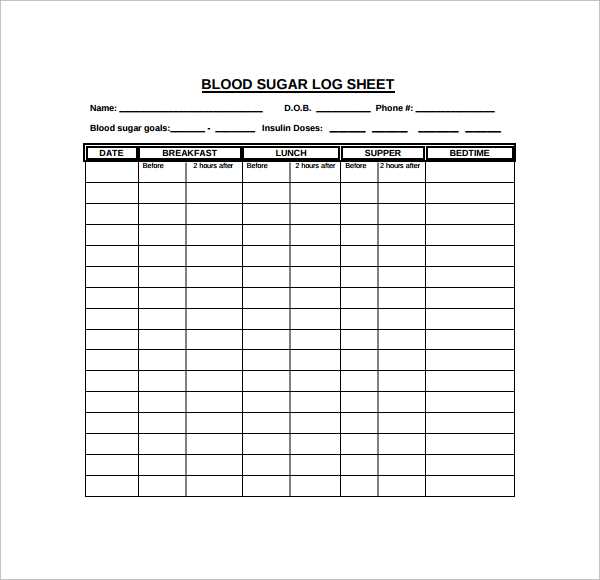
Select a tracking sheet that fits your lifestyle and needs. For daily monitoring, opt for a template with sections for each meal, blood sugar readings, and any medication taken. If you prefer weekly or monthly tracking, find one that allows for longer intervals without sacrificing important details.
Consider customizing the layout. Many templates can be adjusted to include additional fields such as exercise or stress levels, which may also impact your glucose levels. Tailor it to reflect what matters most for you.
Look for options that provide clear and simple design. Overly complex forms can cause confusion or lead to inconsistencies. Choose something that’s straightforward and easy to follow, with enough space for every important detail.
Ensure that your selected template includes space for time stamps. Blood sugar readings fluctuate throughout the day, so recording the exact time you measure can help identify patterns or inconsistencies in your levels. This is key for making any necessary adjustments to your routine.
Some templates offer color-coding features. For instance, marking readings in green, yellow, or red based on the level can make it easier to spot trends at a glance. These visual aids are helpful when you need quick insights into your health data.
Update your records consistently. Missing a day or week can reduce the accuracy of your insights. Set a reminder to complete the tracking at the same time each day for better results.
Remember to keep your records accessible for your healthcare provider. Sharing these documents at your appointments can assist in refining your treatment plan and provide a clearer picture of your progress.
How to Choose the Right Diabetic Log Sheet for Your Needs
When selecting a tracking template, prioritize the type of information you need to monitor. If you only need to track blood sugar readings, opt for a sheet with simple fields for the time and levels. For a more detailed approach, choose one that also includes sections for meals, medication, and physical activity.
Consider the frequency of tracking. If you plan on measuring multiple times a day, look for a sheet that provides space for morning, afternoon, and evening readings. Some templates also allow for additional measurements after meals, which can provide more insight into your glucose trends.
Decide on the duration of tracking. If you want to monitor your progress over time, choose a template that accommodates weekly or monthly entries. Templates with a longer timeframe can help you identify patterns and make adjustments as needed.
Look for designs that suit your organization style. Some people prefer tables with a lot of detail, while others may find checkboxes and simple lists more manageable. Pick a format that will encourage you to fill it out consistently and accurately.
If you take medication or insulin, ensure your sheet allows space for dosage information. Tracking medication alongside glucose readings will help you and your healthcare provider determine the best regimen for you.
Color-coding can also be a helpful feature. A template that uses different colors to indicate high, low, or normal levels can quickly alert you to any inconsistencies. This visual system can make the process faster and more intuitive.
Finally, make sure the template is easy to access and update. Whether you prefer a physical copy or a digital version, choose one that fits your lifestyle and ensures that you can maintain consistent tracking.