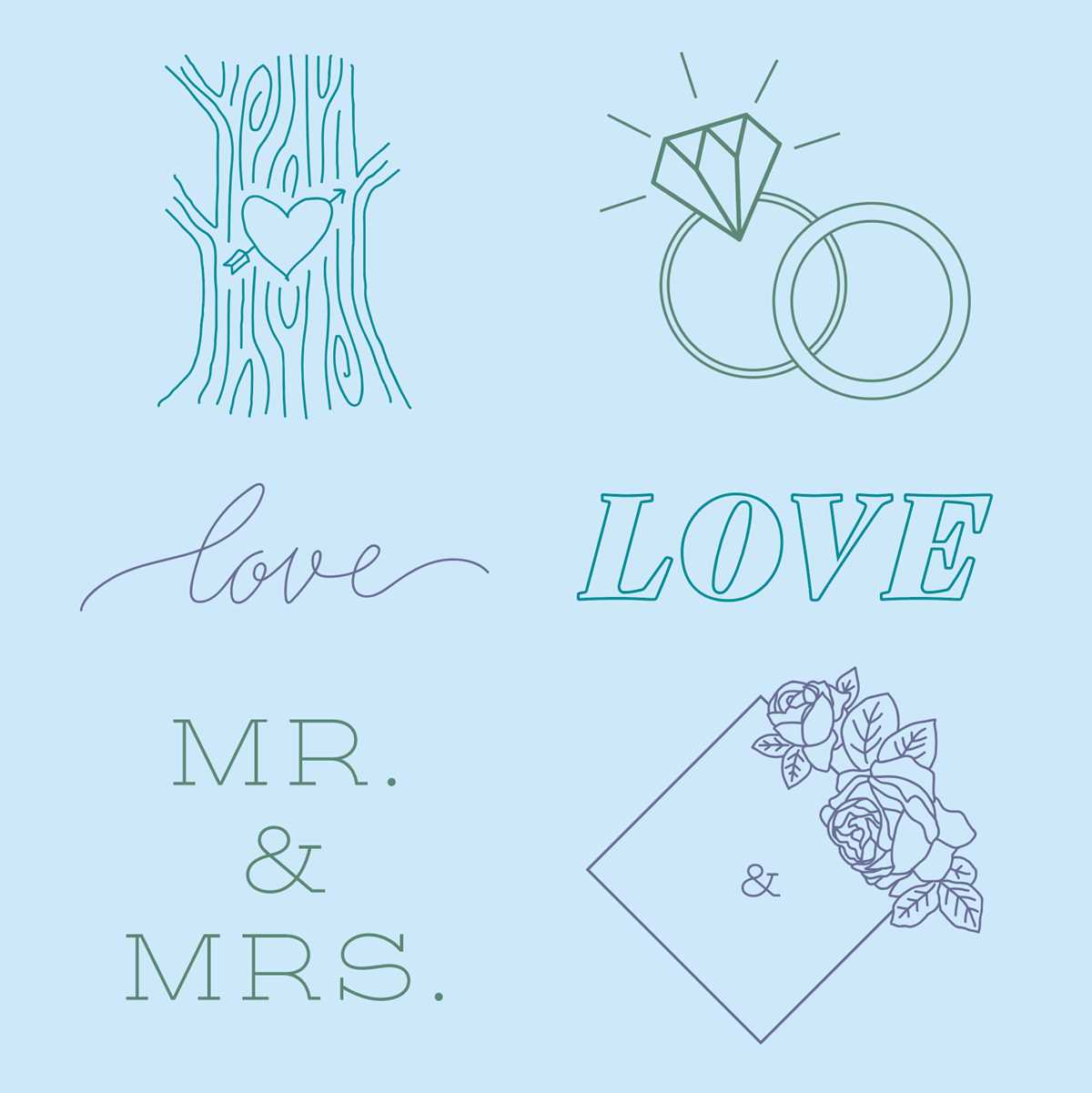
Download a high-resolution needlework template in PDF format sized to 8×10 inches to avoid scaling issues and blurred lines. Choose line art files at 300 DPI or higher so transferred outlines remain sharp on cotton, linen, or canvas. For beginners, select simple floral or geometric motifs with clear stitch paths and minimal overlap.
Use water-soluble stabilizer sheets or carbon transfer paper to move the design onto fabric without distortion. Tape the template to a light source or window if working with thin material, and secure the fabric in a 6- or 8-inch hoop before tracing to maintain tension. Keep margins of at least 1 inch around the artwork to prevent hoop marks from crossing stitched areas.
Select floss colors before starting and limit your palette to 4–6 shades for balanced results. Satin stitch works well for filled petals, while backstitch or stem stitch defines outlines with clean edges. For textured details, incorporate French knots spaced 3–5 mm apart. Print two copies of the design–one for transfer and one for marking thread choices and stitch notes.
Store unused templates in labeled folders by theme such as botanical, seasonal, or monogram. Maintain a digital archive so you can resize artwork to fit tote bags, hoop art, or garment panels without redrawing the motif. This approach reduces preparation time and keeps each project consistent in proportion and detail.
Free Printable Embroidery Pattern
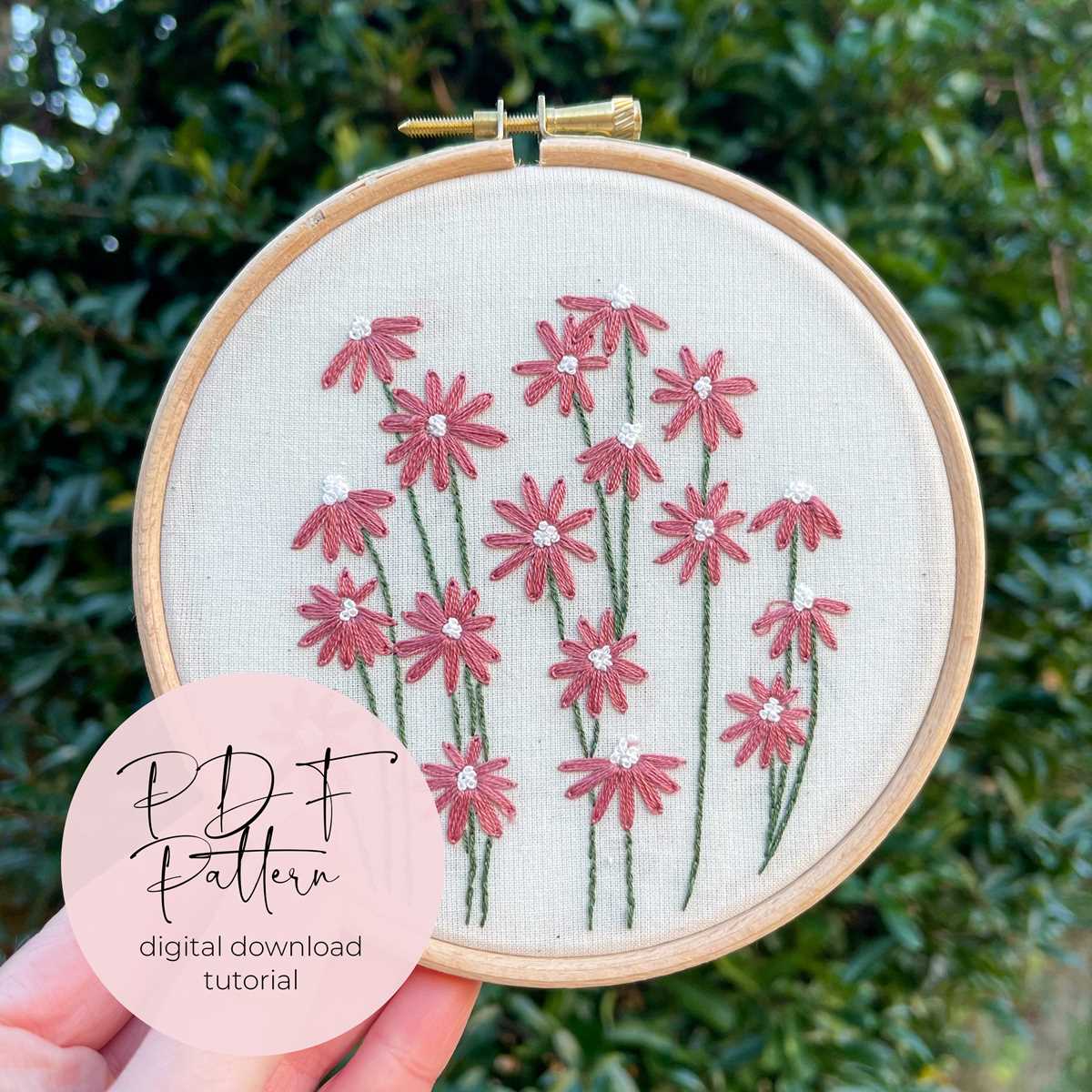
Choose a high-resolution stitching template in PDF format at 300 DPI to keep outlines crisp after transfer. Files sized for standard A4 or US Letter paper reduce scaling errors and keep proportions accurate for hoops between 5 and 8 inches.
Use heat-erasable pens or water-soluble stabilizer sheets to copy the motif onto fabric without leaving permanent marks. Secure the cloth tightly in the hoop before tracing so lines remain aligned and do not warp during needlework.
Limit thread selection to a coordinated palette of 3–6 shades to maintain clarity in small designs. Cotton floss with six separable strands allows you to adjust thickness; use two strands for outlines and three to four for filled areas.
For botanical motifs, apply stem stitch along curved lines and satin stitch inside petals, keeping stitches parallel and evenly spaced. Maintain a consistent angle to prevent gaps, especially on rounded shapes.
Geometric layouts benefit from backstitch or split stitch, which create defined borders with minimal thread bulk. Measure repeating elements with a ruler before transferring to avoid uneven spacing.
Print two copies of each template–one for fabric transfer and one for marking color placement and stitch notes. Annotating the spare sheet reduces confusion once stitching begins.
Resize artwork using standard print settings rather than scaling by guesswork. Adjust percentage values gradually, checking that line thickness remains visible after reduction.
Store downloaded designs in categorized folders such as florals, monograms, and seasonal themes. Keeping both digital and paper archives saves preparation time and keeps future projects organized.
Best Sources for Downloading Embroidery Templates in PDF and SVG Formats
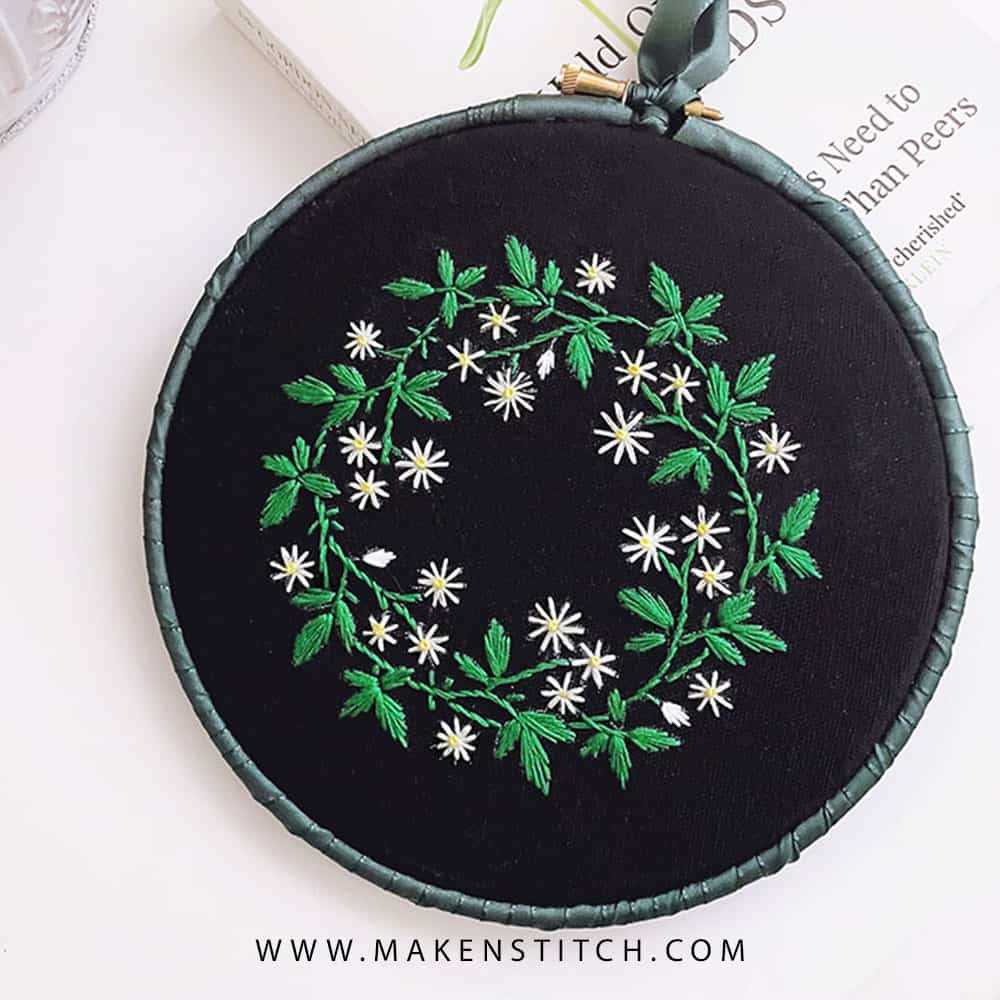
Search established craft marketplaces that provide vector files in both PDF and SVG, filtered by hoop size and stitch type. Use platform search tools with keywords such as floral motif, monogram layout, or line art design to narrow results quickly.
Check independent designer blogs that offer downloadable needlework diagrams in exchange for newsletter signup. Many creators share high-resolution files at 300 DPI with clear stitch guides and color keys attached as separate documents.
Explore digital libraries that archive vintage transfers. These collections often include:
- Restored antique floral drawings scanned at high resolution
- Alphabet samplers suitable for monograms
- Border ornaments formatted for continuous repeats
Use crafting communities and forums where members upload original stitch layouts in scalable vector format. Files in SVG allow resizing without losing line clarity, which is useful for adapting a 4-inch motif to a 7-inch hoop.
Verify file specifications before downloading:
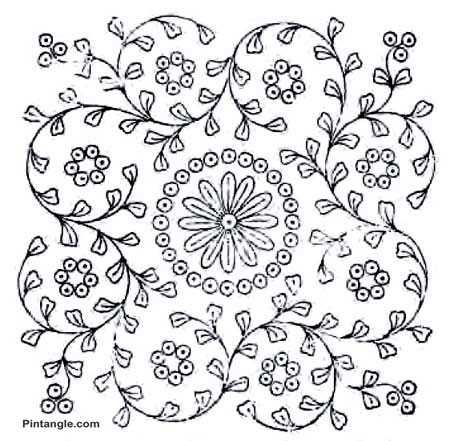
- Resolution of at least 300 DPI for raster documents
- True vector paths for SVG to allow clean scaling
- Clear black outlines with consistent stroke width
- Separate instruction sheet in PDF
Design software repositories such as open graphic archives also host line drawings suitable for needle art. Filter by license type to confirm personal or commercial usage rights before saving any file.
Compare preview images with the actual document dimensions listed in the description. A detailed listing should specify page size, recommended fabric type, and suggested thread count to prevent distortion during transfer.
Store downloaded artwork in categorized folders and rename each file with size and theme tags, for example floral_6inch_outline.svg. Organized storage speeds up selection for future stitching projects.