
Start with a review of financial and legal documents. Make sure wills, trusts, and powers of attorney are up-to-date. This will ensure your wishes are respected, and the process is smoother for your loved ones.
Legal and Financial Preparations

- Update your will: Ensure that your beneficiaries are correctly listed and consider changes if necessary. Appoint a reliable executor to handle your estate.
- Organize assets and liabilities: Make an inventory of personal property, investments, and any debts. This helps the executor manage the estate effectively.
- Review insurance policies: Check life insurance, health insurance, and any other relevant policies to confirm they are in force and beneficiaries are named correctly.
- Settle any outstanding debts: Pay off or plan how to manage any existing debts to prevent complications after your passing.
Health and Medical Decisions

- Prepare advanced directives: These documents specify your wishes for medical care if you are unable to communicate. Include a living will and a health care power of attorney.
- Choose a medical power of attorney: This person will make healthcare decisions on your behalf in the event you are incapacitated.
- Share critical health information: Ensure that trusted individuals have access to your medical history, medications, and treatment preferences.
Family and Digital Affairs
- Communicate with loved ones: Discuss your plans with family members to avoid confusion or disputes. It’s also important for them to know where documents are stored.
- Organize digital accounts: List all online accounts and ensure loved ones can access them if necessary. This includes social media, banking, and subscription services.
- Designate a digital executor: This person can manage your online presence, including social media accounts, emails, and other digital assets after you pass.
Concluding these actions can significantly reduce stress and prevent confusion. Each step helps ensure your final wishes are carried out efficiently and respectfully, reducing the burden on those you leave behind.
Key Steps for Organizing Final Arrangements
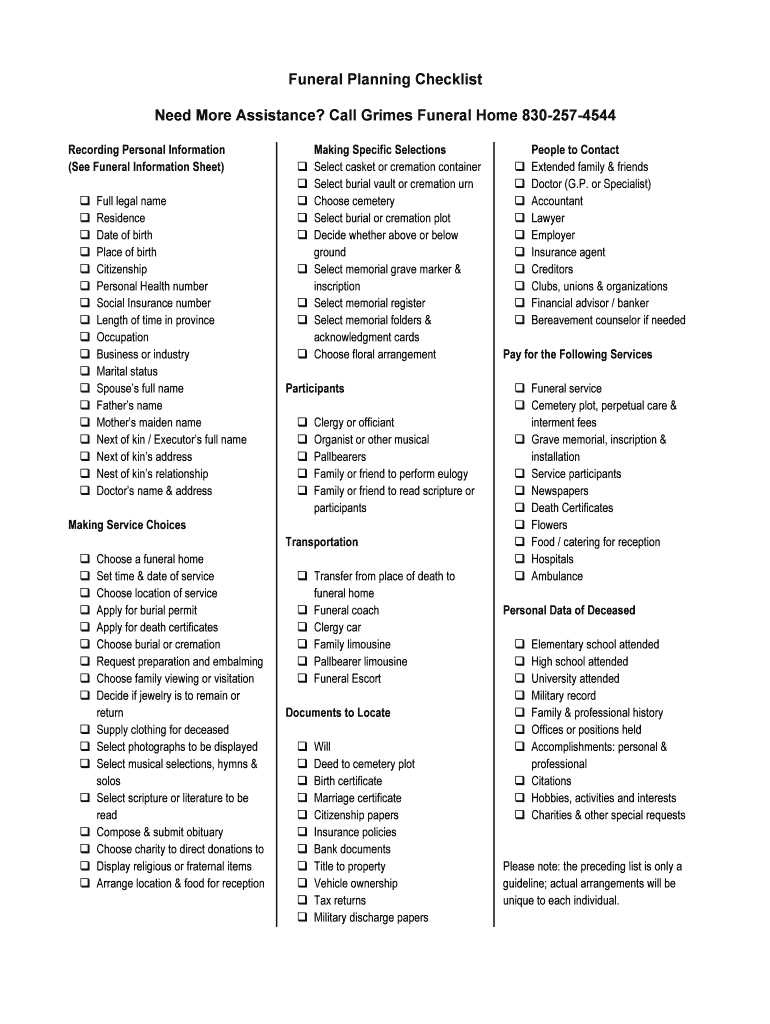
Begin by gathering all legal documents, such as wills, trusts, and power of attorney forms. Ensure that beneficiaries and trusted individuals are clearly named, and provide them with easy access to these papers. Store everything securely but in a location known to the person who will manage your affairs.
Next, review any outstanding debts, bank accounts, insurance policies, and property titles. Make sure everything is documented with details on how to handle them after your passing. Provide instructions for closing accounts, transferring property, or distributing assets to prevent confusion or delay for those responsible for settling your affairs.