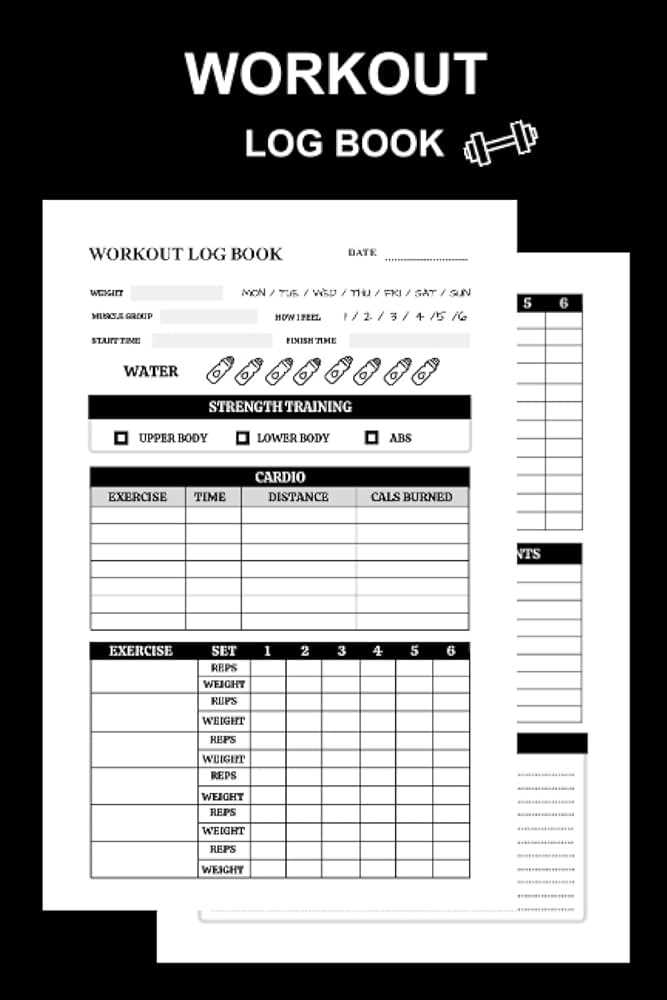
To stay on top of your wellness journey, use a simple tracking sheet where you can log your workouts, meals, and how you’re feeling. A structured template allows you to document progress, set goals, and easily spot patterns in your health routine. This daily practice can help you stay motivated and make necessary adjustments to your habits.
Why a Daily Health Tracker is Important
A daily log enables you to evaluate your efforts and progress in real-time. By noting key metrics such as calories burned, time spent exercising, and any aches or improvements, you can adjust your routine accordingly. Over time, this log provides an accurate reflection of how far you’ve come and helps you focus on areas that need more attention.
How to Organize Your Daily Tracking Sheet
Start by dividing your tracker into manageable sections, each focusing on a different aspect of your day. Include categories such as:
- Workout details: List the type of exercise, duration, intensity, and any additional notes like how you felt.
- Nutrition: Write down meals, snacks, and drinks, paying attention to calorie intake and nutrient balance.
- Sleep and recovery: Document your hours of rest and how refreshed you feel in the morning.
For even more customization, add a section to track your mood or stress levels, helping you identify the emotional factors that might affect your routine.
Be consistent. The more regularly you fill out your tracker, the better it will work for you. If needed, you can adjust the sections as you go to better suit your evolving needs.
Best Tools for Creating Your Health Tracker
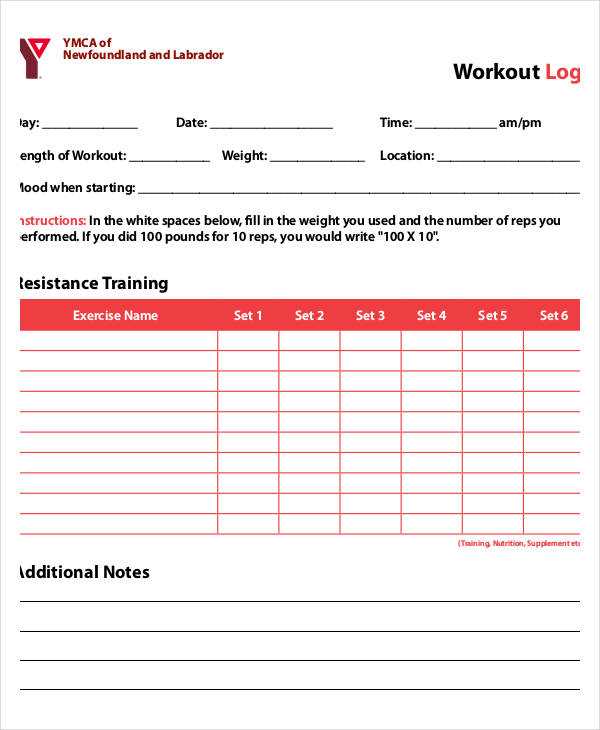
If you prefer a digital approach, there are plenty of apps and software options that can generate customized templates. However, if you like the tactile experience of filling out a paper form, a printed version of your tracker can provide a greater sense of engagement and keep you focused.
How to Stay Motivated
One of the best ways to keep using your health journal is by celebrating your progress, no matter how small. At the end of each week, look back at what you’ve achieved. Whether it’s hitting a new personal record or simply sticking to your plan, recognizing your hard work keeps you focused and motivated to continue.
How to Use a Simple Exercise Tracker for Progress
Start by creating a straightforward form that allows you to record daily activities, such as exercises performed, duration, and intensity. This will help you identify patterns in your routine and make adjustments when needed. Consider breaking down the tracker into different categories like strength training, cardio, and flexibility exercises.
For added precision, include sections to log metrics such as repetitions, sets, and weights used during each session. Tracking these numbers over time will give you valuable insights into your improvements and areas that need more focus.
On top of exercise details, it’s helpful to note the time of day you work out and how you felt during and after the session. This will help you gauge energy levels and make adjustments to ensure you’re not overtraining or neglecting rest.
Finally, make sure to set measurable goals and track your progress towards them. Whether you aim to increase reps, improve endurance, or build strength, having clear targets will keep you motivated and focused on achieving your fitness ambitions.