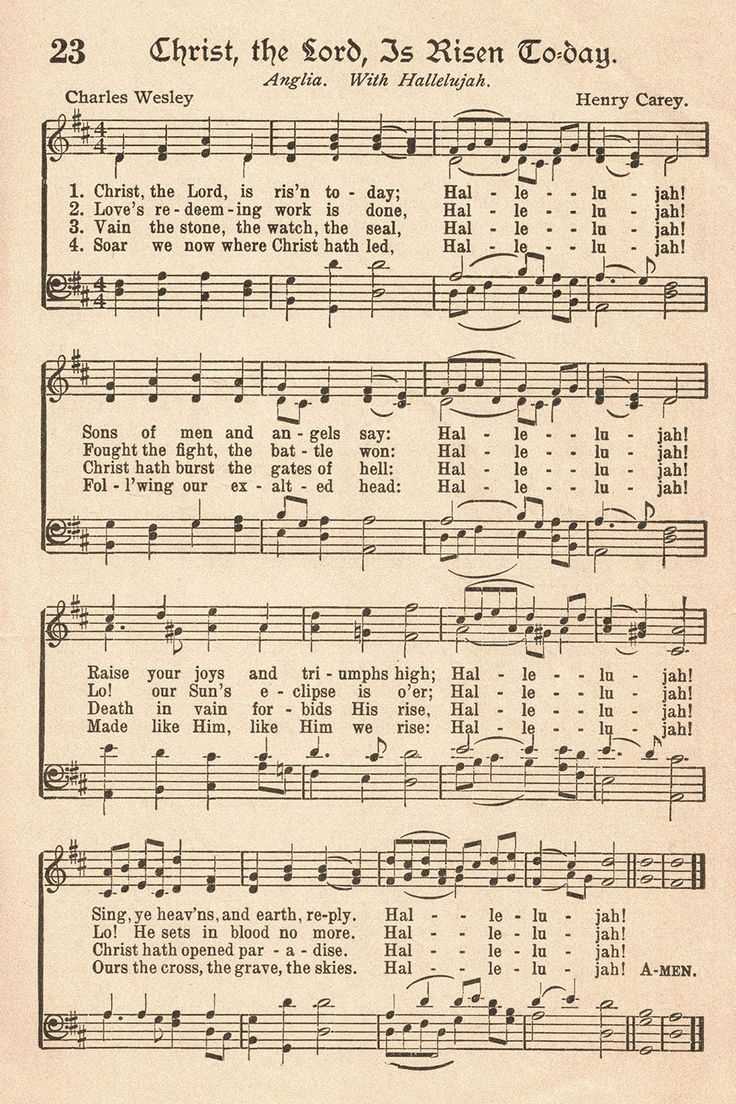
Download public domain church song scores in PDF format from reputable archives and verify the original publication date before distribution to avoid copyright issues. Focus on works published before 1928 in the United States, as these are generally in the public domain.
Where to Find Public Domain Sacred Songs
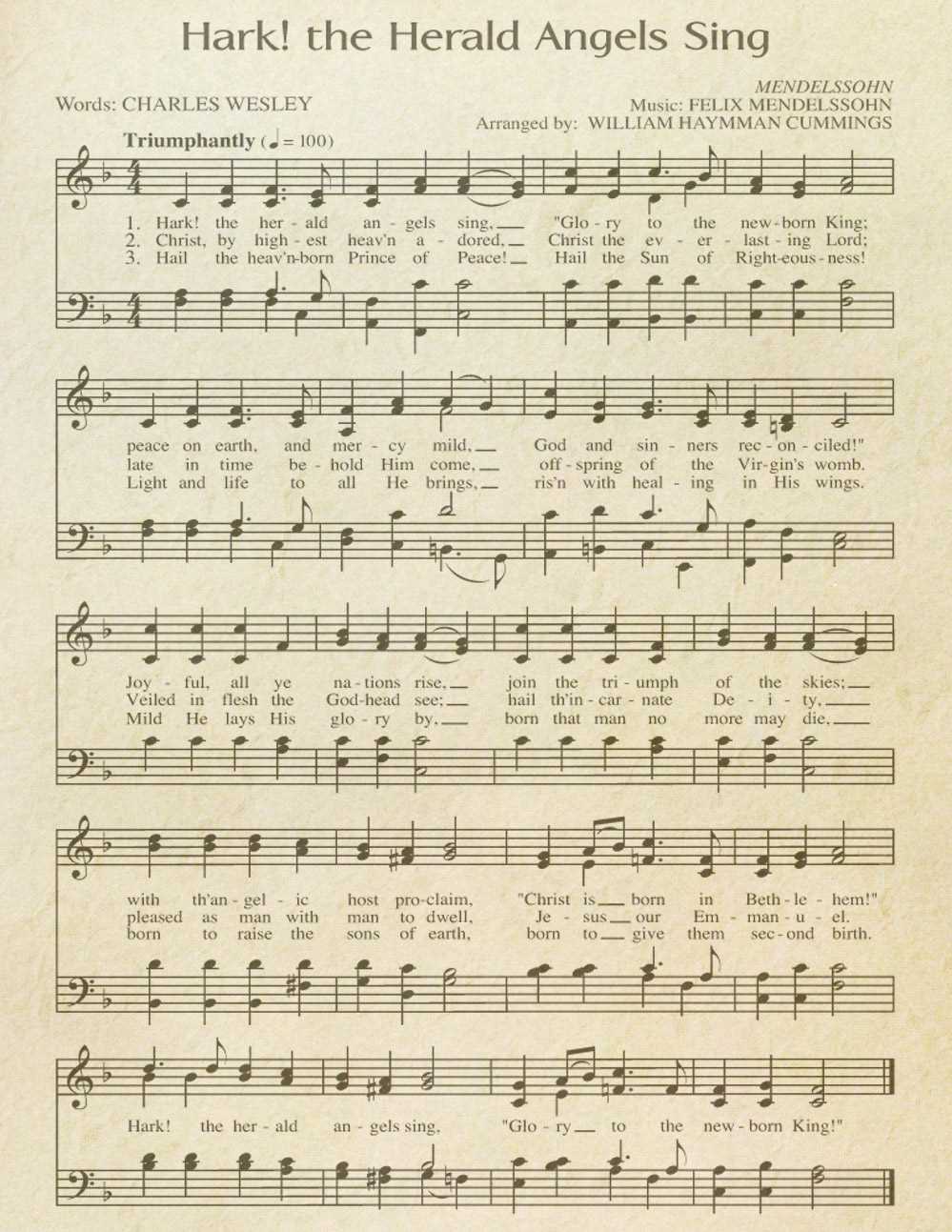
Use digital libraries such as IMSLP and university hymn collections that provide high-resolution PDFs. Search by composer name, tune title, or meter (for example, Common Meter 8.6.8.6) to match lyrics with compatible melodies. Check that the arranger’s edition is also public domain, not only the original composition.
- IMSLP: Large archive of classical and sacred works.
- Library of Congress: Historical church songbooks and scans.
- Denominational archives: Older editions of congregational song collections.
Formatting and Printing for Congregational Use
Set print scale to 100 percent to maintain staff spacing and lyric alignment. For choir folders, print double-sided and bind on the left margin with at least 0.75 inch space. Use 24 lb or heavier white stock for durability during rehearsals.
Practical Setup Tips
- Transpose keys to suit vocal range, typically between A3 and D5 for mixed congregations.
- Ensure lyrics appear under corresponding notes to avoid timing errors.
- Test one copy before mass reproduction to confirm margin and page break accuracy.
Store digital files in organized folders labeled by liturgical season, tempo marking, or key signature to speed up selection for weekly services and choir practice.
Public Domain Congregational Song Scores in PDF Format
Download public domain congregational song scores published before 1928 and confirm that both lyrics and arrangements are no longer under copyright before sharing with a choir or church group. Check the title page for composer, lyricist, and publication date to verify legal status.
Use reputable archives such as IMSLP or national library collections that provide high-resolution PDFs. Select files with clear staff lines and legible text sized at least 10–12 points for congregational readability. Avoid low-scan copies with skewed margins or faded notation, as they create rehearsal delays.
Print at 100 percent scale on US Letter or A4 without automatic resizing to maintain correct spacing between staves and verses. For choir folders, choose 24 lb or heavier white stock and allow a left margin of 0.75 inch for hole punching. Double-sided layout reduces page turns during performance.
Transpose melodies into keys comfortable for mixed voices, typically between A3 and D5 for congregational singing. Verify that chord symbols align accurately above the staff if instrumental accompaniment is included.
Organize digital files by liturgical season, tempo marking, or key signature to streamline weekly selection and rehearsal preparation.