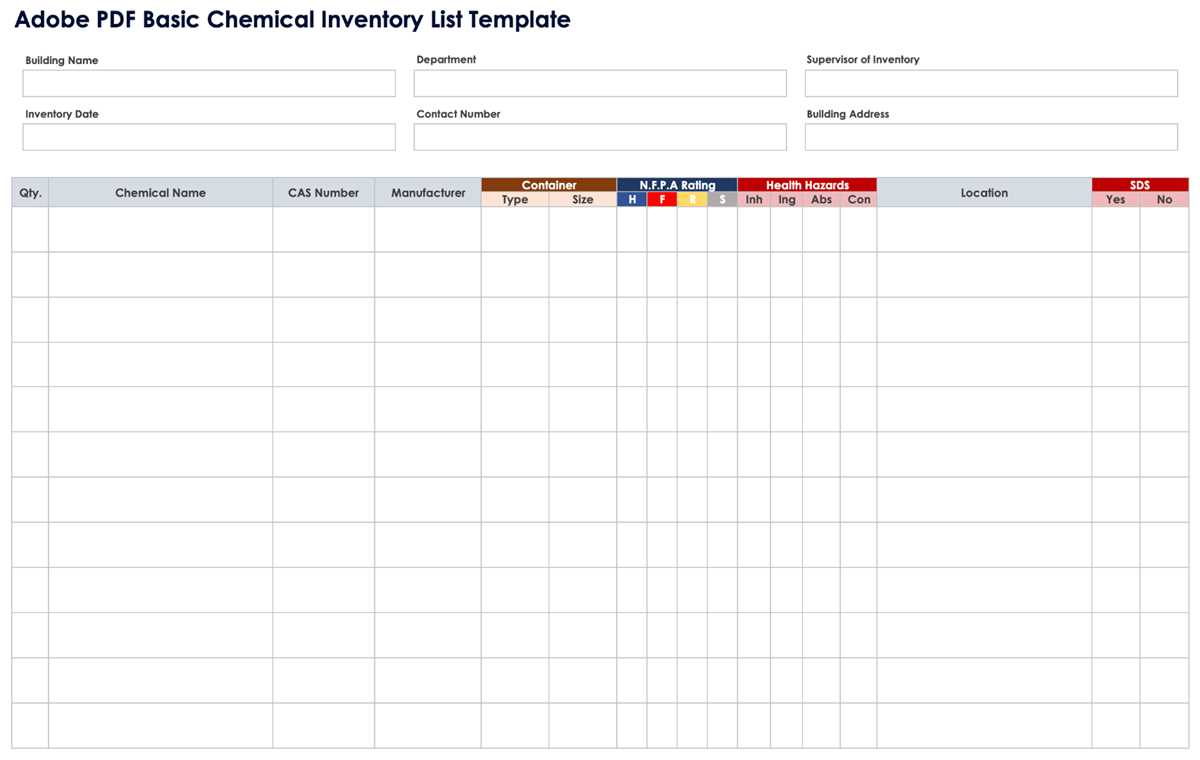
Select A4 pages with a grid of 6–8 columns and set margins to 12–15 mm so every row stays readable after binding or filing.
Choosing the Right Stock Record Layout
For home storage, use a simple table with item name, location, quantity, and date checked. Small shops benefit from added fields for SKU, supplier, and reorder point. Classrooms work best with category-based pages that group supplies by subject or cabinet.
- Column width: 25–30 mm for names, 15–20 mm for numbers.
- Row height: 8–10 mm for handwriting clarity.
- Orientation: landscape fits more entries per page.
Paper and Output Settings
Use 90–120 gsm paper for binders and clipboards. Thicker stock resists curling during frequent handling. Black-and-white output keeps contrast high and supports photocopying without loss of detail.
Daily Use and Maintenance
Update quantities at fixed intervals such as weekly or after each delivery. Mark changes with dates to spot usage patterns over time.
- Count items at the same time of day.
- Record adjustments immediately.
- Review low counts against reorder thresholds.
Archiving and Reuse
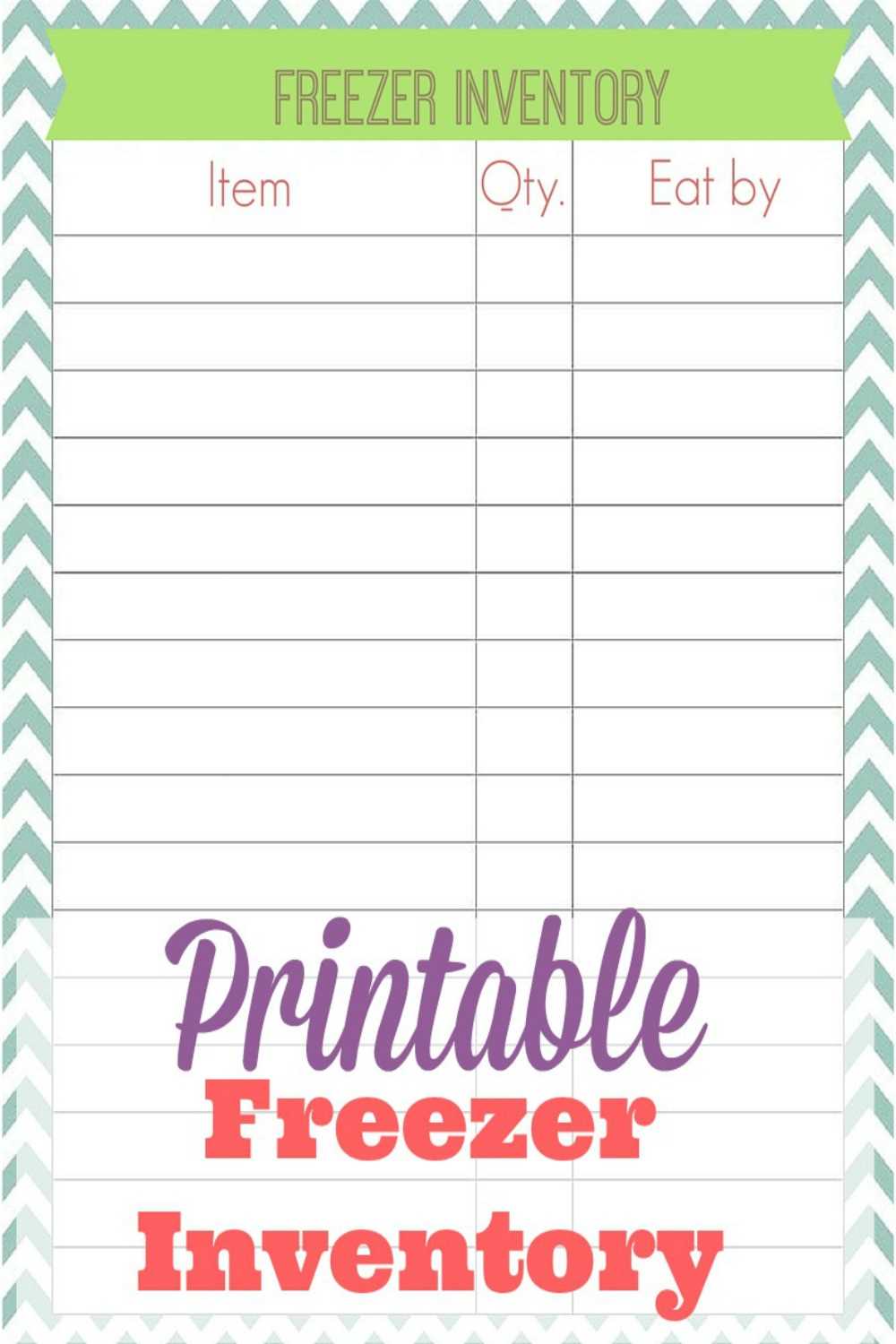
Store completed pages in labeled folders by month or category. Reuse blank masters by photocopying to keep records consistent across locations.
Paper Stock Logs for Structured Item Control
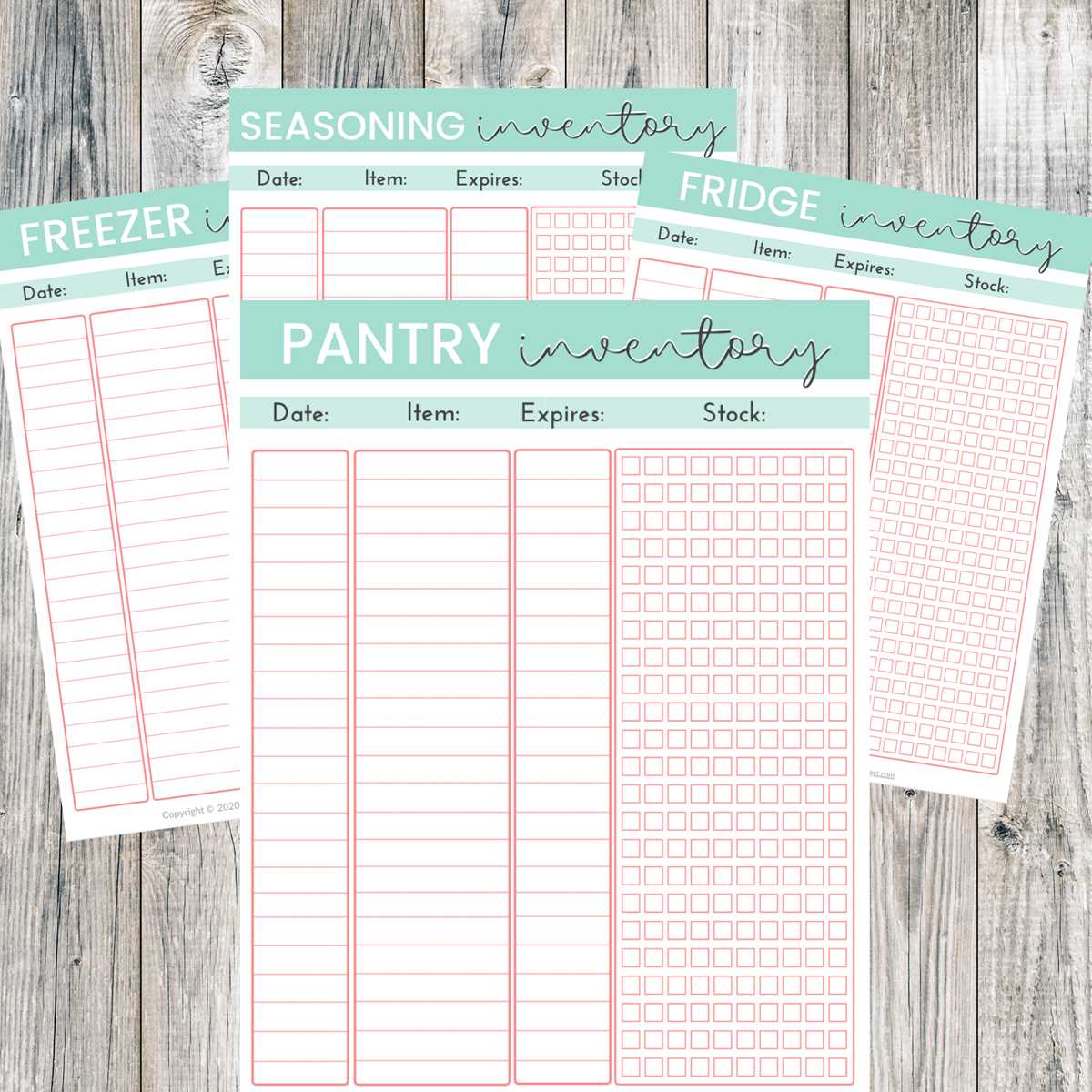
Use A4 pages with a table of 6–8 columns and 25–30 mm column width so item names, counts, and locations stay legible during regular checks.
For home storage, a basic record with item title, shelf or box code, quantity, and last check date covers daily needs. Small retail spaces add supplier and reorder level fields, while classrooms rely on category labels such as art, science, or office supplies.
Set row height at 8–10 mm to support handwriting without crowding. Landscape orientation fits up to 30 entries per page, which reduces page changes during counts.
Choose 90–120 gsm paper for binders and clipboards. This weight resists bending while keeping pages easy to turn. Black text on white stock maintains clarity under fluorescent lighting.
Update counts on a fixed schedule such as weekly or after deliveries. Record adjustments immediately to avoid mismatches between physical items and written records.
Archive completed logs in labeled folders by month or location. This method supports quick reviews of usage patterns and simplifies preparation for audits or restocking sessions.