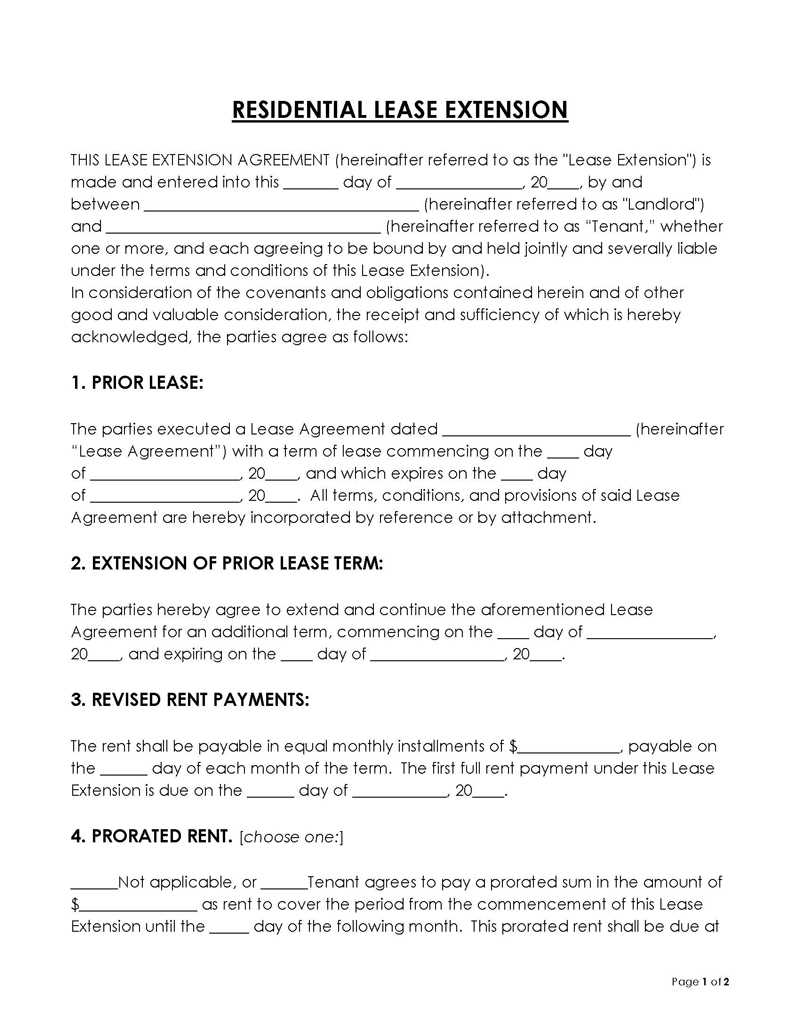
To extend a rental arrangement with a tenant, using a clear and straightforward document is key. You can start by choosing an existing form template that fits the terms of your agreement. It’s important to ensure that all important details, such as the duration of the extension, rental amount, and any updated clauses, are included to avoid any confusion later on.
Before finalizing the document, review the terms of the current tenancy. If there are any changes in rent or other conditions, make sure they are clearly outlined in the new contract. Don’t forget to include the date when the new terms will begin and the signatures of both parties. This ensures everything is legally binding and that both you and your tenant agree to the updated terms.
Once the document is prepared, print it and have both parties sign it. This simple process can save time and reduce misunderstandings, ensuring that both the tenant and landlord are on the same page for the next term of the rental agreement.
How to Create a Rental Term Extension Document
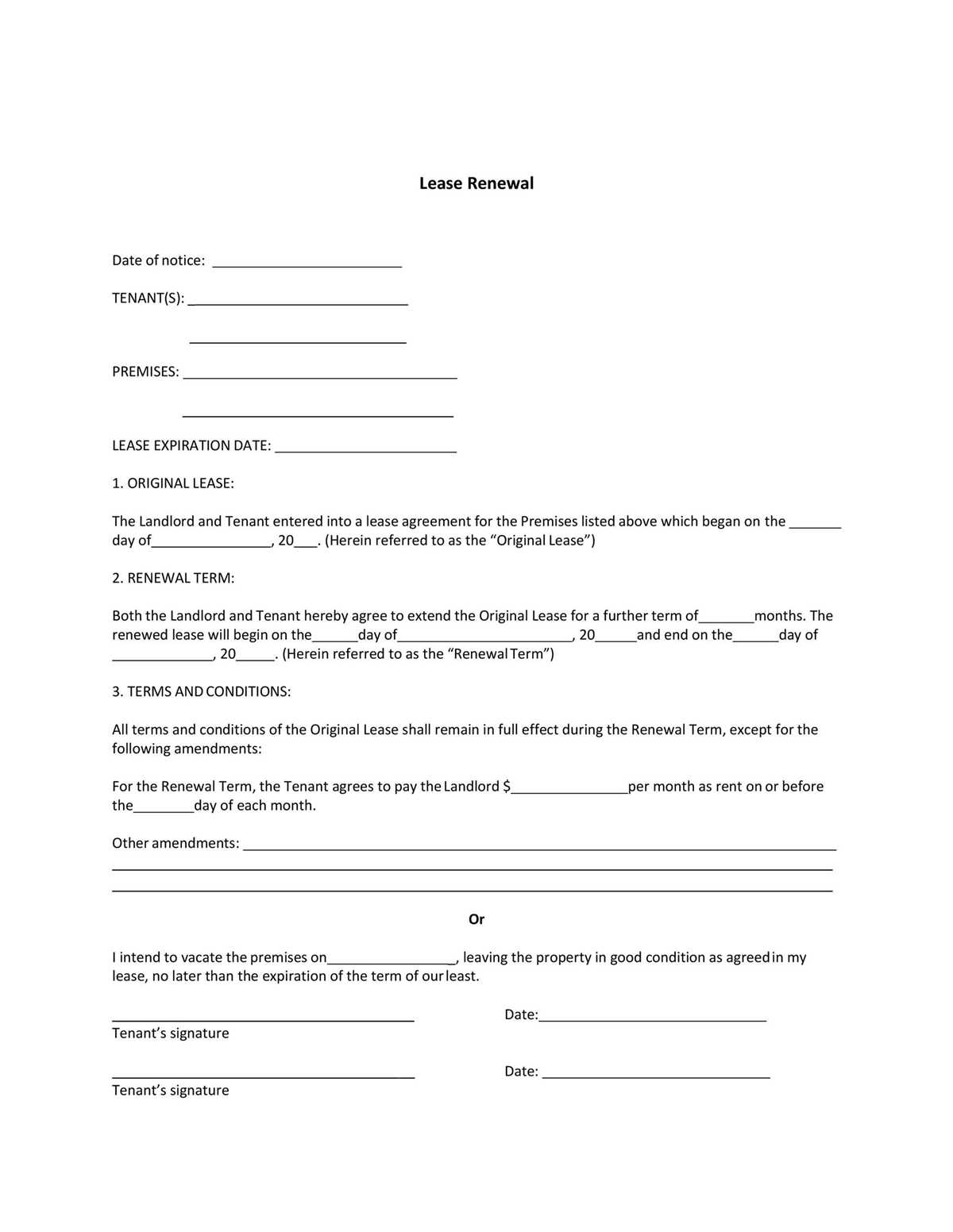
Start by using a basic template that reflects the current rental conditions. This document should include the names of both parties, the property address, and the new term start and end dates. Always ensure you accurately state whether any modifications are made to rent or additional rules in the new term.
Clearly outline the revised rental amount, if applicable. If the rent is being increased, indicate the percentage of increase or the new amount that will be effective. This avoids misunderstandings and ensures both parties are aware of the new terms before they sign.
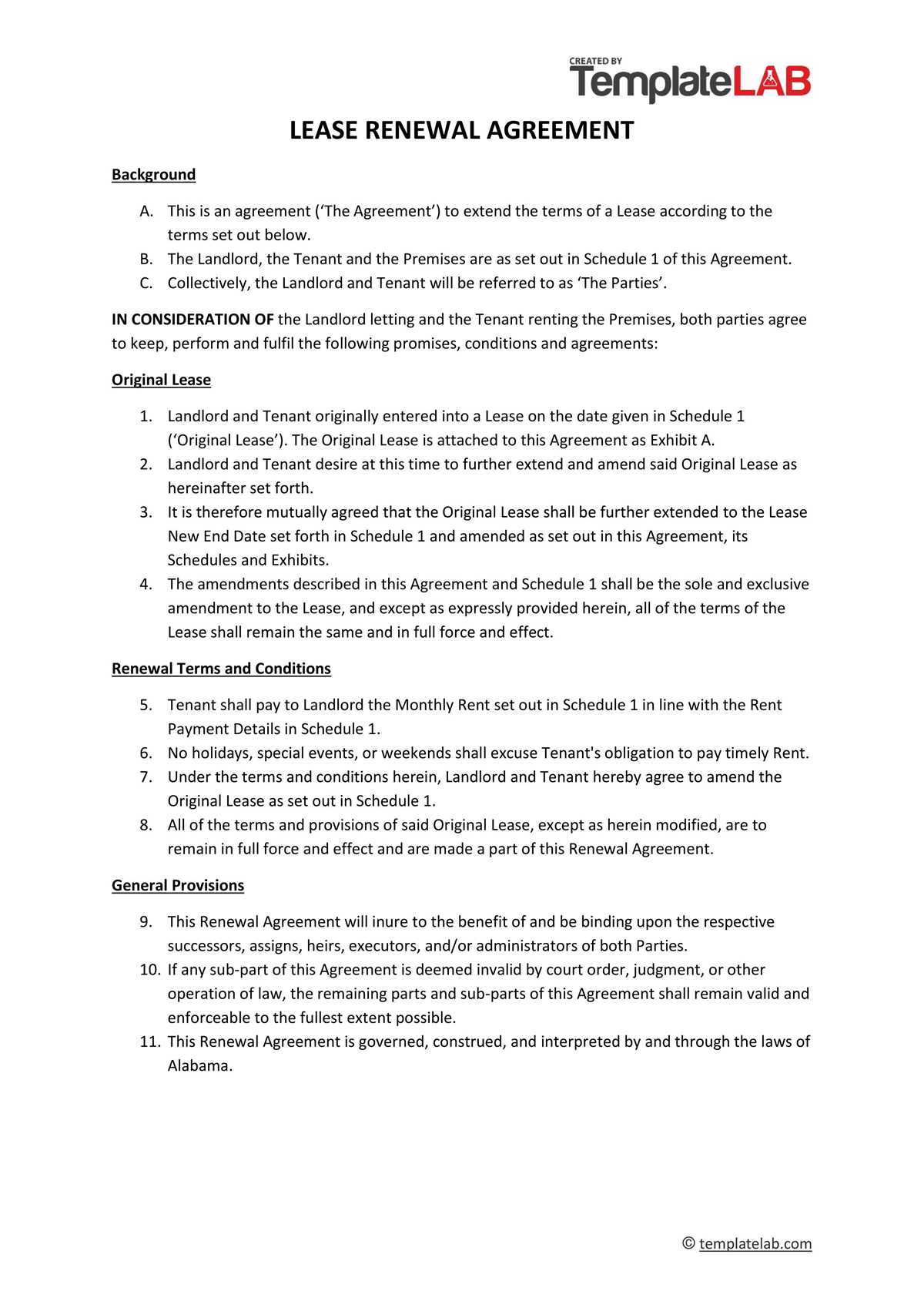
List all terms that remain unchanged from the initial contract. These can include payment dates, property maintenance responsibilities, and other clauses that are consistent throughout the entire rental period. This helps avoid the need for a complete rewrite of the document and keeps everything clear.
Include a clause about the renewal process. Specify that either party must provide written notice before a certain date if they intend to terminate the new term or modify any conditions. This ensures there is a clear understanding about how the extension can be terminated or renegotiated in the future.
Provide space for signatures from both the landlord and the tenant. Both parties must agree to the updated terms by signing and dating the document. Be sure to specify if the signatures must be witnessed or notarized to make the contract legally enforceable, depending on local requirements.
Once the document is signed, make sure to distribute copies to both parties. It’s recommended that each party keeps one signed copy for their records, as this is a binding document that can be referenced throughout the tenancy.
If any new rules are being added to the agreement, clearly state them in a new section or clause. For example, if there are new pet policies, parking rules, or maintenance duties, outline them clearly. This ensures that there is no confusion or ambiguity about responsibilities during the rental period.
Before finalizing, review the document for clarity and accuracy. Double-check all dates, numbers, and terms to avoid any potential errors. A well-prepared extension form will help both parties understand their rights and obligations during the continued term of the rental agreement.
How to Customize a Rental Term Extension Document Template
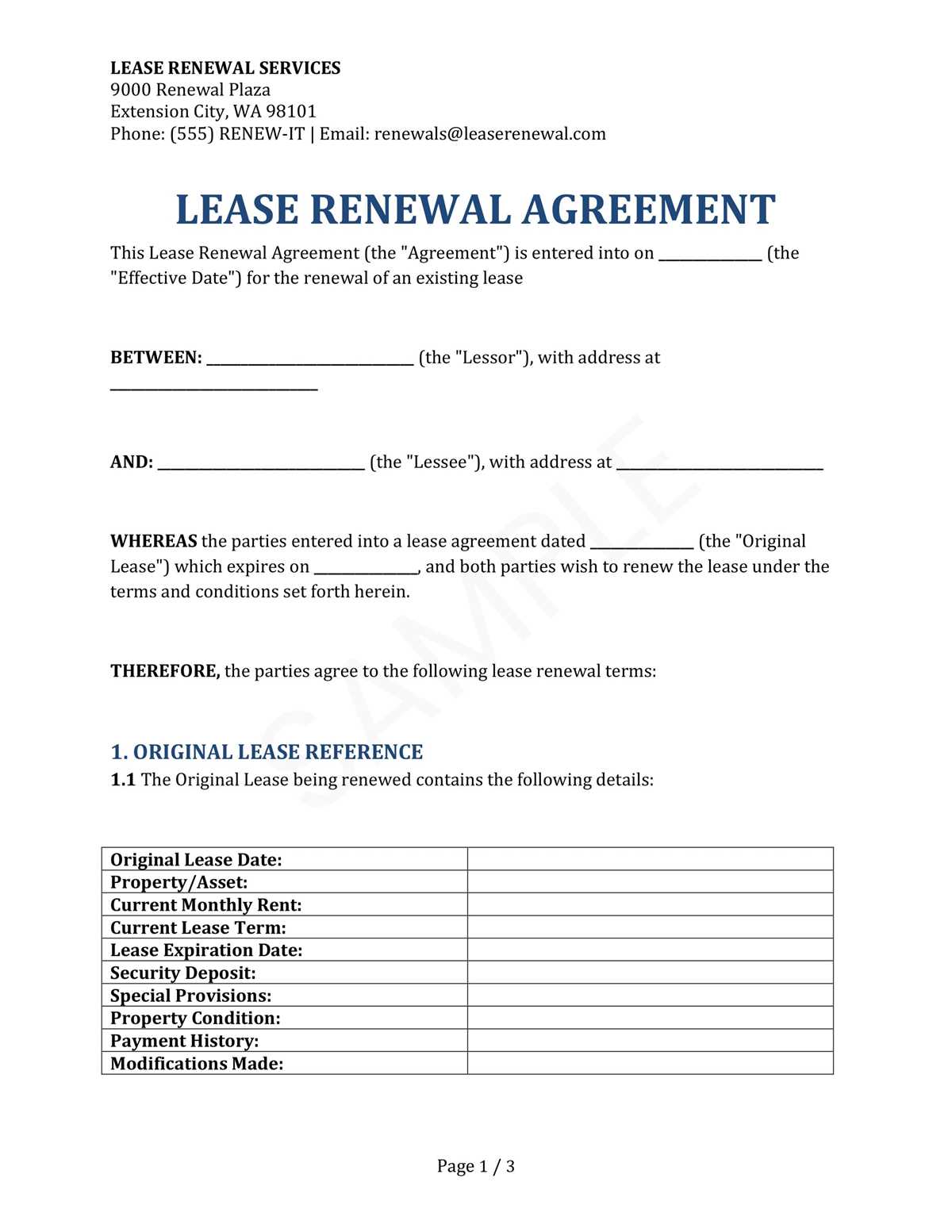
Begin by adjusting the document’s header to reflect the names of the landlord and tenant, along with the property address. This helps ensure that both parties are clearly identified at the outset of the form. Then, update the dates to reflect the new term’s start and end, ensuring that both parties are in agreement on the timing.
If there are any changes in the rental amount or payment conditions, these should be specifically outlined. For example, include the new rent price, how often payments are due, and any other adjustments, such as late fees or new charges for services like maintenance or parking.
Review and modify any clauses that need to reflect changes in responsibilities. If you’re adding or altering maintenance duties, such as who is responsible for repairs or lawn care, clearly define these duties within the document to avoid confusion. Use bullet points for easy readability.
Lastly, ensure there is a section at the end for both parties to sign and date. This confirms their acceptance of the new terms and signifies that the document has been reviewed and agreed upon. If required, include a space for a witness or notary to validate the contract. This step helps to prevent any legal disputes during the extended term.