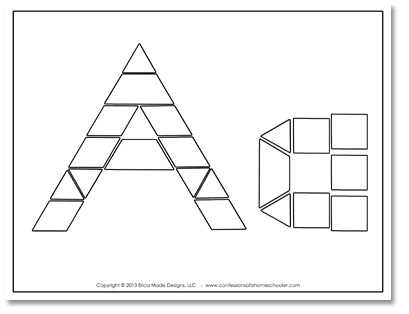
Start by organizing various geometric shapes that can be cut out and used for creating visual learning experiences. Using these shapes in exercises will help with both cognitive development and spatial awareness. Children can benefit from hands-on activities that encourage problem-solving and pattern recognition.
How to Integrate Geometric Shapes in Early Learning
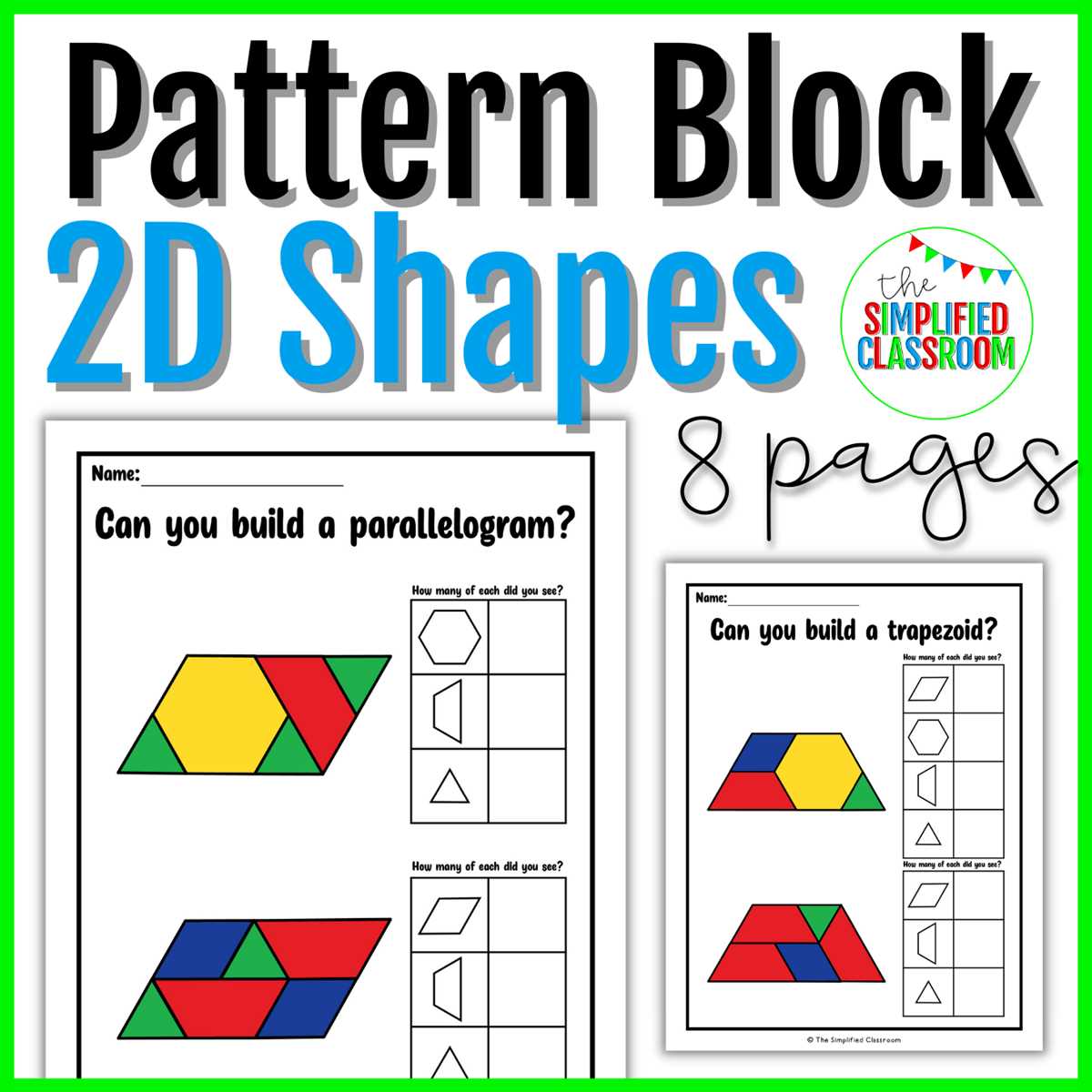
Introduce simple activities like matching shapes to reinforce basic concepts. You can print these designs on thick paper or cardstock for durability. Start with basic shapes such as triangles, squares, and circles, then gradually add more complex figures like hexagons and parallelograms as the child progresses. For younger learners, let them trace these shapes first to help with motor skills before using them in puzzles or designs.
Use shapes for creating larger pictures or mosaics, helping kids understand symmetry, and introducing color theory. It’s a good idea to keep activities simple but engaging. Children can learn to recognize patterns by following a sequence of shapes that form a picture or design. This approach not only teaches geometric concepts but also builds attention span and patience.
Designing Custom Learning Materials with Shapes
Another fun way to use these templates is by letting children create their own patterns. Encourage them to arrange the cut-out shapes into a specific design or to match them according to color. Allowing children to make decisions on how to create their designs will help foster creativity while reinforcing their knowledge of shapes.
Once they have mastered the basic shapes, challenge them to build more intricate forms. You can extend this activity by introducing shapes that fit together like puzzle pieces, further enhancing spatial thinking. Even simple concepts, like arranging triangles to form a larger shape, teach important problem-solving skills. These activities are perfect for fostering fine motor skills and critical thinking.
By incorporating these activities into lessons, children can also learn about geometric symmetry and angle recognition. Encourage them to explore more advanced topics such as tessellation by arranging shapes in patterns that fit together seamlessly, creating more complex designs while reinforcing geometry skills.
For teachers or parents, creating these learning materials can be done quickly at home or in the classroom. Simply print and cut out the shapes, then organize them into themed activities for different learning objectives.
Using Geometric Shape Designs for Creative Learning Activities
To engage children with spatial and cognitive skills, use a variety of geometric shapes that can be cut out and assembled into different designs. These designs can be used in educational exercises that enhance problem-solving abilities and pattern recognition. Start with basic shapes like squares, triangles, and circles, and gradually increase the complexity as the child’s skills improve.
One effective way to use these designs is by creating mosaics or larger pictures. Children can match the shapes to build their own patterns or match them to form a bigger image, helping them understand symmetry and visual harmony. By focusing on creating pictures, children will practice important skills such as fine motor coordination, pattern recognition, and sequencing.
As they become more familiar with the basic shapes, offer them more complex exercises. These could include arranging shapes to form new objects or even building three-dimensional structures. For older children, introduce more abstract challenges like tessellation and rotational symmetry. By working with these designs regularly, kids will develop stronger math and artistic skills, making the activity both fun and educational.