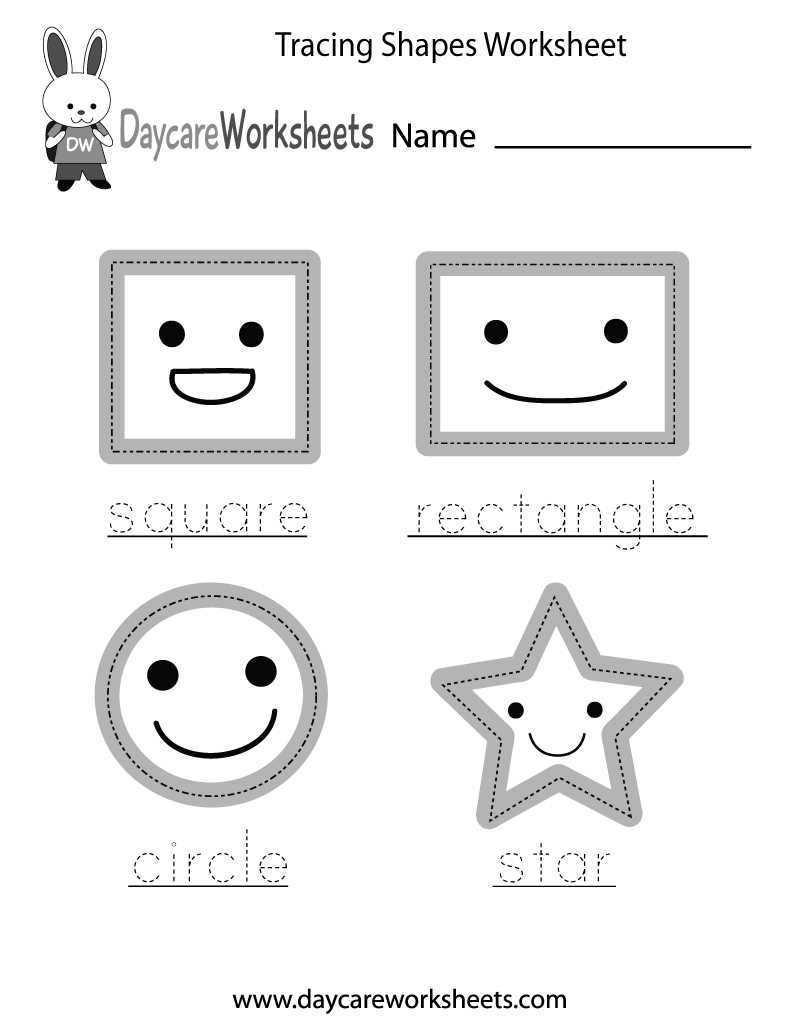
Start by introducing simple geometric figures such as circles, squares, and triangles. These forms help young learners develop fine motor skills and hand-eye coordination. Begin with larger outlines and gradually move to smaller ones as the child’s skills improve.
Use bold, clear lines that are easy to follow. This ensures that the learner can clearly distinguish the shapes and trace them without confusion. Provide space between each figure to avoid clutter and allow for smoother movement of the hand.
For added engagement, incorporate varying patterns or textures inside the figures that children can color in once they finish tracing. This not only enhances the activity but also encourages creativity while reinforcing the shapes they’ve practiced.
Engaging Activities with Shape Practice for Early Learners
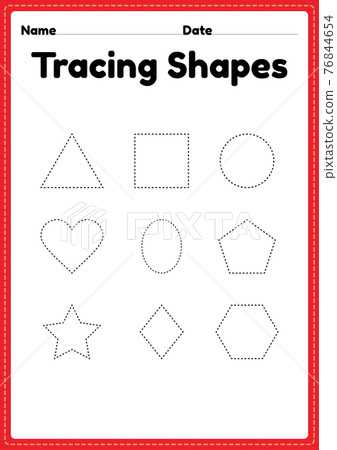
Start with bold, outlined figures to help young learners confidently follow the lines. Larger and simpler forms are ideal for beginners, as they allow children to focus on forming basic strokes. Once they’ve mastered the basic shapes, gradually introduce smaller or more intricate designs to enhance their precision.
Include a variety of figures such as triangles, rectangles, and circles. Changing up the type of figure will keep the activity exciting while helping children recognize different geometric forms. Ensure there is enough space between each figure for easy tracing without causing confusion.
To make the activity more dynamic, you can add interactive elements like dotted lines for children to complete. This can be especially useful for beginners who are still learning the basics of hand control and coordination.
Introduce fun themes by adding patterns within the figures once they’ve been outlined. This not only engages the child further but also encourages creativity. For instance, adding dots, stripes, or wavy lines inside the traced form can make the activity both educational and artistic.
Coloring the completed figures can be another way to extend the activity. After tracing, encourage children to color inside the lines, reinforcing the practice of precision while allowing them to explore their creativity. This step also strengthens fine motor skills by requiring the child to control the pencil or crayon more carefully.
Consider offering varied levels of difficulty, starting with basic outlines and progressing to more challenging designs, such as overlapping figures or shapes with multiple angles. This helps build skills at the child’s pace while maintaining engagement.
Finally, assess progress by occasionally reviewing previously completed exercises. Notice if the child’s control has improved, and provide additional challenges accordingly. This tracking method helps both the child and the educator understand areas that need more practice and areas where progress has been made.
How to Create Shape Practice Exercises for Early Learners
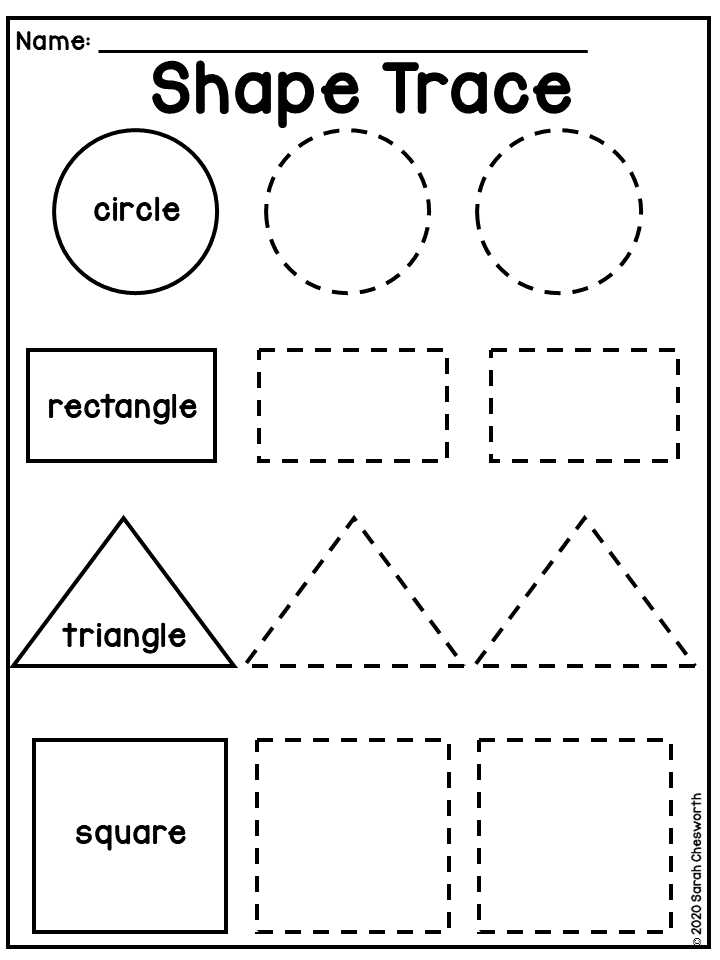
Begin with simple geometric outlines, such as circles, squares, and triangles. These basic forms provide an easy starting point for young learners to practice hand control and spatial awareness. The key is to start large and gradually reduce the size as the child’s skills improve.
Ensure the lines are clear and bold to make it easy for children to follow. Soft, faint lines may confuse beginners, so opt for dark, thick outlines that will be easy to follow. Spacing between the figures should be adequate to ensure smooth tracing without overlap.
Introduce a variety of patterns or designs inside each form to make the activity more engaging. For example, add dots, stripes, or zig-zags within a square or circle to encourage creativity while maintaining focus on the outline. These patterns also help reinforce the shapes being practiced.
Provide multiple levels of difficulty by creating both simple and complex figures. Start with basic shapes for early learners and gradually introduce more intricate designs with multiple angles or even interlocking shapes. This will allow learners to progress at their own pace while maintaining interest in the task.
Lastly, create space for children to color the completed designs. This adds an extra layer of creativity while reinforcing the child’s ability to stay inside the lines. It’s an effective way to strengthen fine motor skills, as it encourages controlled hand movements, which are integral to early learning development.