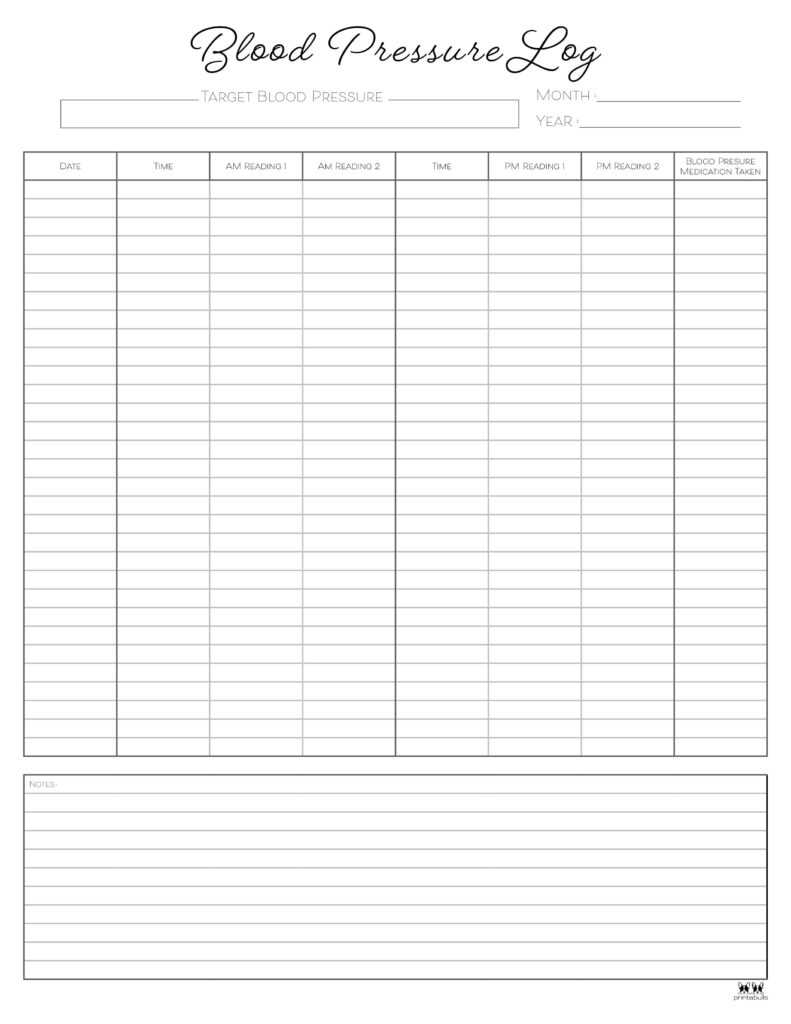
Key Measurements to Record
For monitoring circulatory health, it’s essential to track heart rate readings, including systolic and diastolic levels. These measurements provide insight into the force of the heart’s pumping action and the resistance within your arteries.
Recording Your Data
- Write down your measurements at the same time each day to detect any patterns.
- Record both systolic and diastolic numbers (e.g., 120/80). The first value represents the pressure during heartbeats, and the second is the pressure between beats.
- Note the time of day, as readings can vary depending on your activity level or meal intake.
When to Monitor
Take your measurements in the morning before any physical activity or after at least 30 minutes of rest. It’s also recommended to measure after a period of calm, avoiding stress or heavy physical exertion beforehand.
Using a Record Sheet
Use a tracking sheet that includes spaces for date, time, and your readings. This visual reference helps identify trends over time. Keep an eye out for any fluctuations that might suggest health concerns.
Setting Up a Consistent Routine
Make a habit of monitoring your circulatory health. Consistency will give a clearer picture of your body’s functioning. If you’re unsure about interpreting your readings, consult with a healthcare provider to understand the significance of any unusual patterns.
Reviewing Results
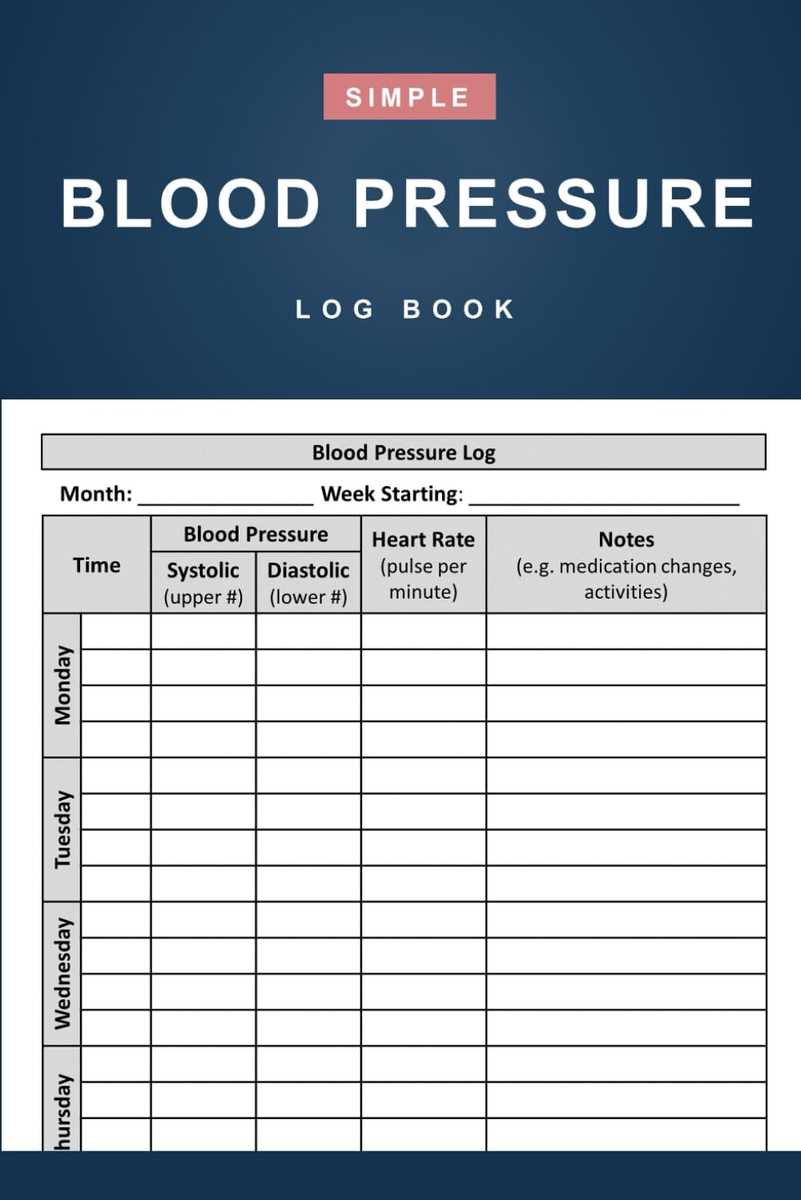
- If your readings frequently exceed the normal range, it might be time to seek medical advice.
- Keep track of factors that could affect your heart function, such as diet, stress levels, and medication usage.
Track Your Health: A Quick and Easy Way to Monitor Vital Signs
Record your daily readings in a table with columns for the time, measurements, and any remarks. This format helps you stay consistent with tracking each session at various times throughout the day.
Consistency is key. Aim to capture two readings: one in the morning, and another in the evening. This provides insight into any fluctuations that might occur throughout the day, which could help detect underlying health concerns.
Ensure to note other factors, such as stress levels or meals, as these can influence your results. Write down your emotions or activities prior to taking each reading for a more thorough record. This detailed approach can help identify patterns or triggers that may not be immediately obvious.
It’s a good idea to review your records regularly, ideally weekly, and bring them to your healthcare provider during appointments. This can enhance your conversations, providing a clearer picture of how your numbers are trending over time.
If you’re using a wrist monitor, be mindful of positioning. To ensure accuracy, hold the device at heart level when taking your measurement. Incorrect positioning can lead to discrepancies that may affect the quality of your record.