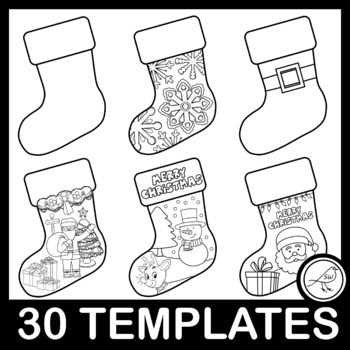
Choose a paper pattern with a finished height of 38–45 cm for fireplace display or 28–32 cm for gift use; these proportions balance visual appeal and internal capacity.
Check that the outline shows a clear heel curve and a straight upper edge; uneven curvature causes puckering after turning, while a slanted opening complicates cuff attachment.
Use felt or woven cotton between 180 and 220 gsm; lighter cloth distorts along the toe seam, and heavier material resists clean inversion after stitching.
Confirm seam allowance marks are included at 6–10 mm around the contour; adding this spacing by hand increases mismatch risk at tight curves.
Test the paper form by wrapping it around a rolled towel or bottle before cutting fabric; misaligned proportions become obvious without wasting material.
Holiday Sock Pattern Pages for Sewing Projects
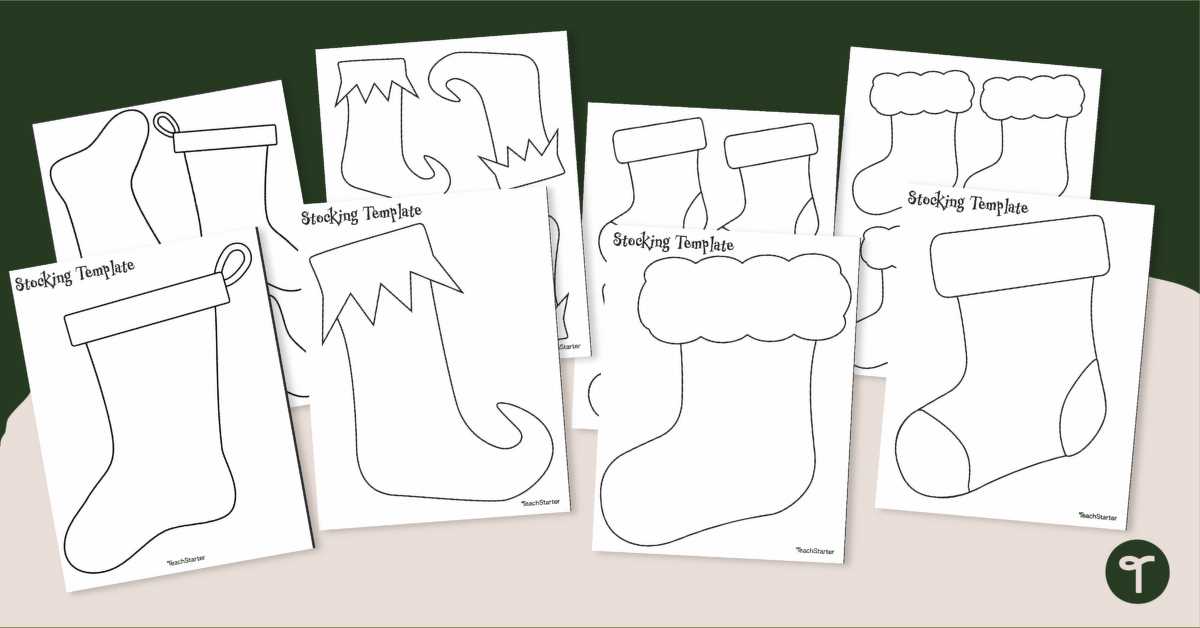
Select a paper layout sized for the final use: 40–45 cm tall suits mantel display, while 30–34 cm works for small gift holders without excess fabric waste.
Verify that the outline includes mirrored halves; a single-side drawing leads to asymmetry after stitching and forces manual correction at the heel curve.
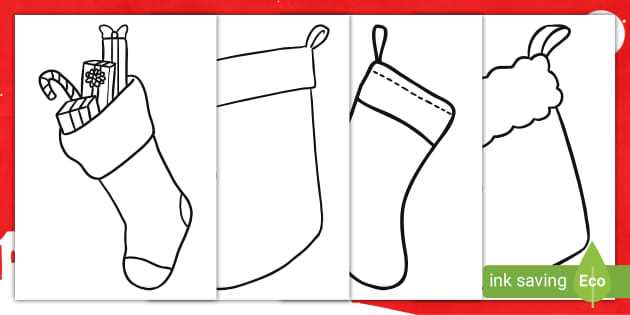
Use fabrics with limited stretch such as felt, flannel, or quilting cotton between 180 and 220 gsm; knit materials distort at the ankle opening and reduce shape control.
Confirm seam spacing is drawn directly on the page at 6–10 mm; this allowance keeps the toe rounded and prevents narrowing after turning the piece inside out.
Cut fabric with the grain aligned vertically along the leg section; diagonal placement increases twist and causes the finished piece to lean when hung.
Sew the curved toe using short stitches of 2–2.5 mm; longer spacing creates visible angles after inversion.
Clip the inner curve at the heel every 12–15 mm without cutting into the seam; this releases tension and smooths the contour.
Press seams flat before turning, then press again after shaping to lock proportions and prepare the opening for cuff attachment.
How to Choose the Right Holiday Sock Pattern Size for Fabric and Felt
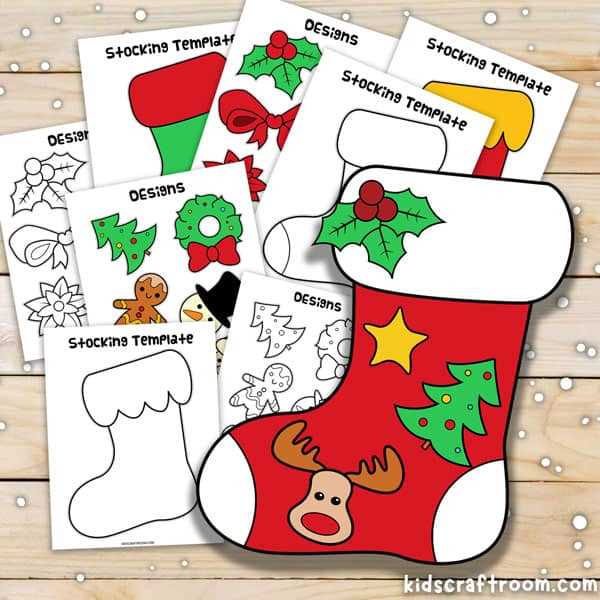
Select a finished height based on placement: 28–32 cm fits gift inserts, while 40–45 cm suits mantel display without sagging.
Measure available fabric width before scaling the paper layout; felt often comes at 90 cm, which limits cutting two mirrored pieces larger than 46 cm tall without rotating grain.
Check toe depth against intended contents; a front curve extending 9–11 cm from heel to tip holds small boxes, while shallow curves restrict volume.
Match material thickness to size: felt above 220 gsm supports large forms without collapse, whereas lighter cotton behaves better at smaller dimensions.
Account for seam spacing early; a 6–10 mm allowance reduces interior space by up to 2 cm on tall designs, which affects candy or gift fit.
Mock up the paper form around a rolled towel or bottle matching the planned fill; this reveals proportion issues before cutting cloth.
Lock scale at 100 percent during output and recheck ruler marks on the page; a 3 percent shift alters height by more than 1 cm on larger pieces.