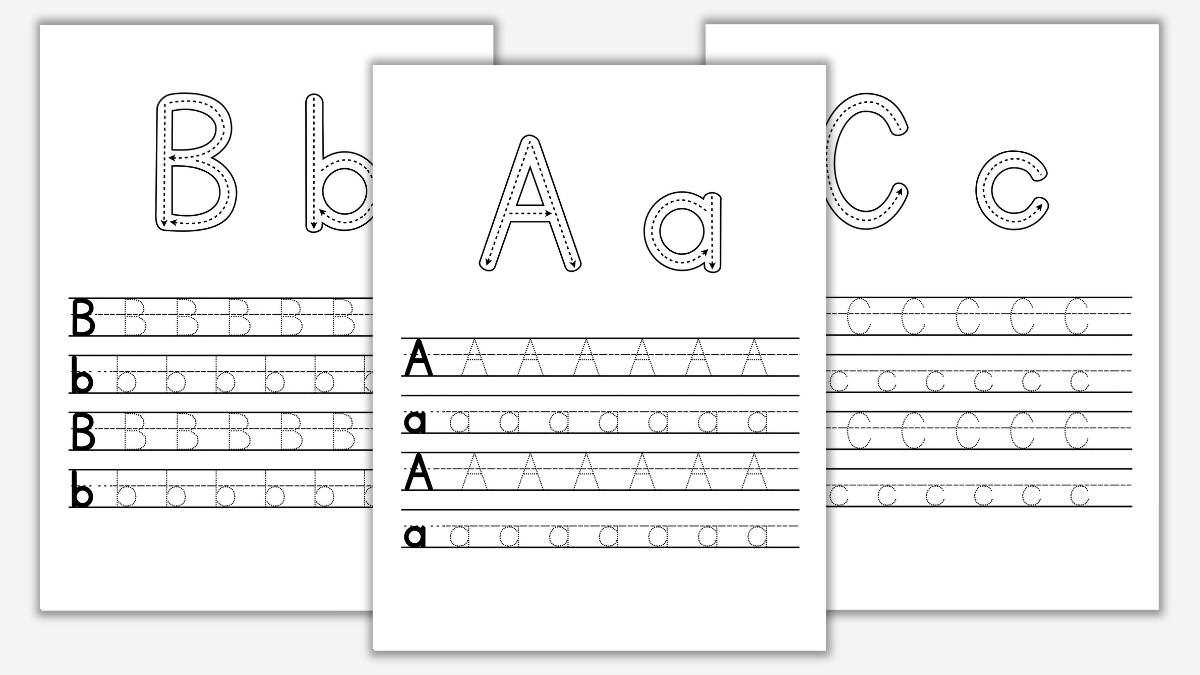
Why Letter Tracing Helps Early Learners
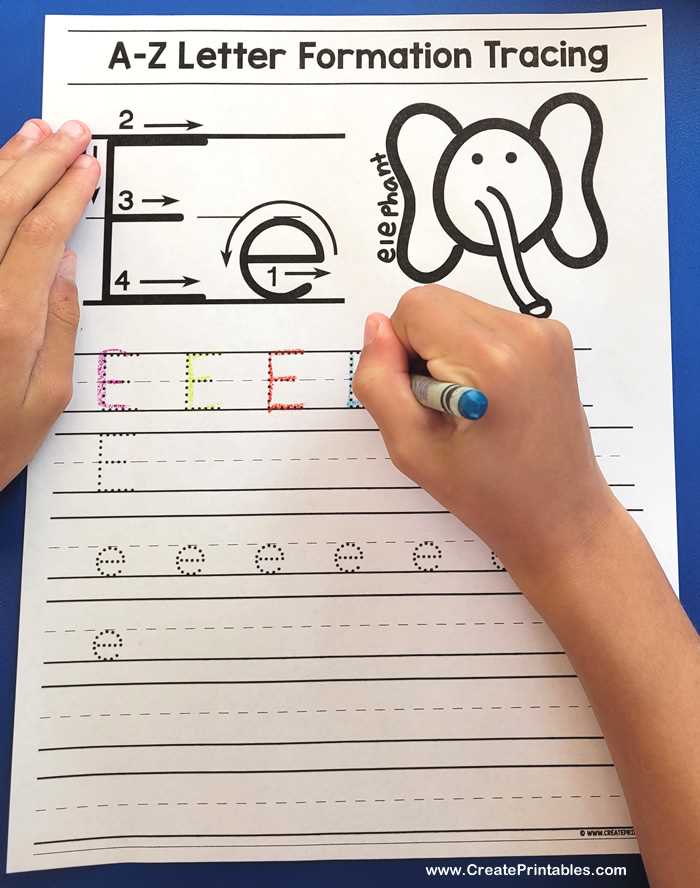
Letter tracing activities are an excellent way to support children in mastering letter formation and enhancing their fine motor skills. By following dotted lines and shapes, children can develop muscle memory for how each letter is written, contributing to better handwriting over time. This method also boosts their cognitive ability to differentiate letters and their sounds, aiding in both language recognition and spelling skills.
Key Benefits of Tracing Exercises
- Improves fine motor coordination – Repeating the act of tracing lines helps strengthen hand muscles, making it easier to write independently later.
- Encourages letter familiarity – As children practice, they begin to recognize shapes, allowing them to recall letters more effortlessly.
- Supports consistent letter size and shape – Tracing encourages uniformity in letter size and alignment, helping young learners form letters correctly.
How to Integrate Tracing Sheets in Daily Routine
Start by providing your child with a variety of tracing sheets that feature both upper and lower case letters. You can introduce a single letter each day or work through the alphabet sequentially. Make sure to offer positive feedback and patience, allowing them to trace at their own pace.
Creating Your Own Tracing Materials
- Simple and clear designs: Use basic line art and dot patterns to help your child easily recognize the letter’s form.
- Incorporate both capital and small letters: Practicing both forms ensures the learner can recognize and write letters in all contexts.
- Offer variety: Rotate between letters and occasionally introduce simple words to keep the activity fresh and engaging.
Using These Tools for Consistency and Progress
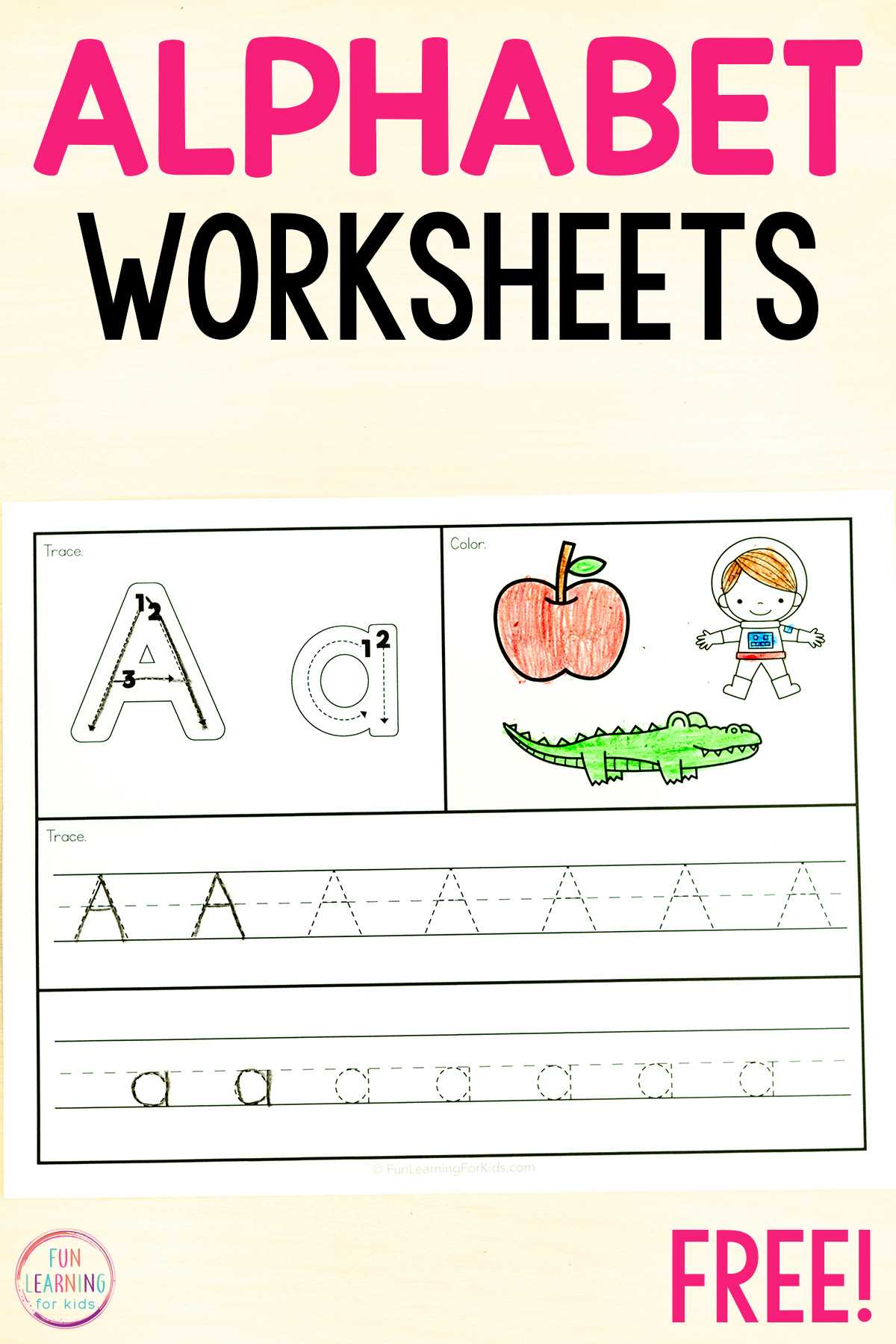
Regular practice is the key to reinforcing letter formation. Consistent use of tracing exercises, even for just 10–15 minutes a day, can greatly improve a child’s ability to write fluently. Tracking their progress can also be motivating, as it visually displays their development over time.
Engaging Activities for Letter Practice
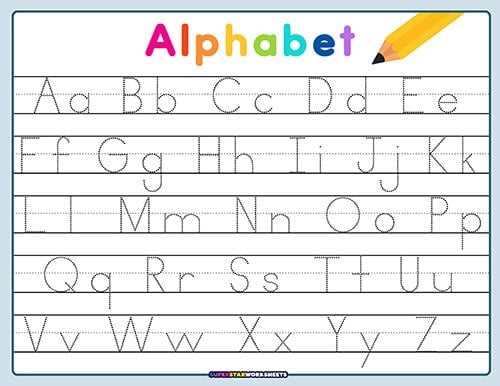
To help young learners master the formation of letters, offer sheets that focus on both upper and lower case letters. Start with simple, lightly dotted letters that children can trace to get the feel of each shape. Gradually increase the complexity as they become more comfortable with their pencil control.
Introduce lines that guide the child in the correct direction, from top to bottom, left to right. These lines provide a visual aid that enhances muscle memory, making it easier for children to replicate the characters on their own. Make sure the patterns are large enough to give ample space for practice without feeling cramped.
Incorporate fun, themed designs to keep the practice exciting. For example, pairing letters with illustrations of animals, objects, or familiar characters makes the activity more engaging. This approach encourages children to stay focused while learning, reinforcing each letter through repetition and association with visuals.
Finally, offer blank templates after a few sessions of tracing. This allows learners to practice writing independently. By now, they will have a clearer understanding of the letter’s structure, building their confidence as they continue to improve their handwriting skills.