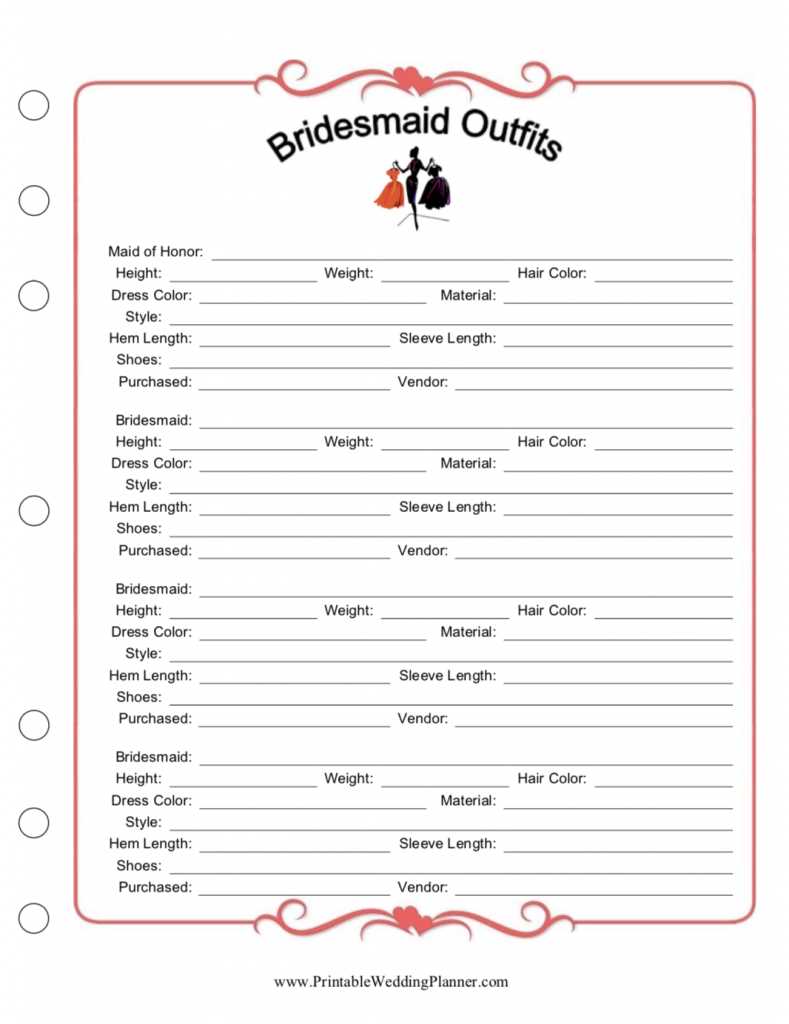
Start by using simple templates to track all the details of your event. These resources are designed to help you stay on top of every aspect, from guest lists to budgets, ensuring nothing is overlooked. Begin by downloading a checklist that allows you to mark off tasks as you complete them, and use this document as your primary tool throughout the planning process.
Choosing the Right Templates for Your Event
Not all planning templates are created equal, so it’s important to find ones that align with your style and the complexity of your celebration. For example, if you prefer simplicity, a basic timeline template that organizes tasks by month or week can be invaluable. If you’re planning a larger gathering, opt for more detailed documents, such as those for tracking vendor information, seating arrangements, or catering needs. Choose templates that suit the scope of your event to avoid overwhelming yourself with unnecessary details.
Budget Management
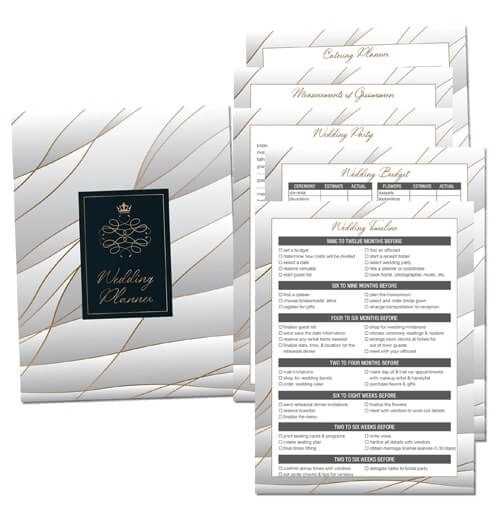
A budget template is an indispensable tool. Use it to allocate funds for each aspect, from the venue to flowers, and track your spending as you go. Include fields for deposits, final payments, and any hidden fees that may arise during the planning. By monitoring your expenses, you’ll ensure that you don’t exceed your budget and can make adjustments where necessary.
Guest List Tracker
Managing your guest list can quickly become a complex task, especially when you’re coordinating RSVPs, meal preferences, and seating arrangements. A guest list template allows you to input names, addresses, RSVP status, and meal options, keeping you organized and prepared. Make sure to include sections for additional notes, such as any special accommodations your guests might require.
Streamlining the Process with Customizable Tools
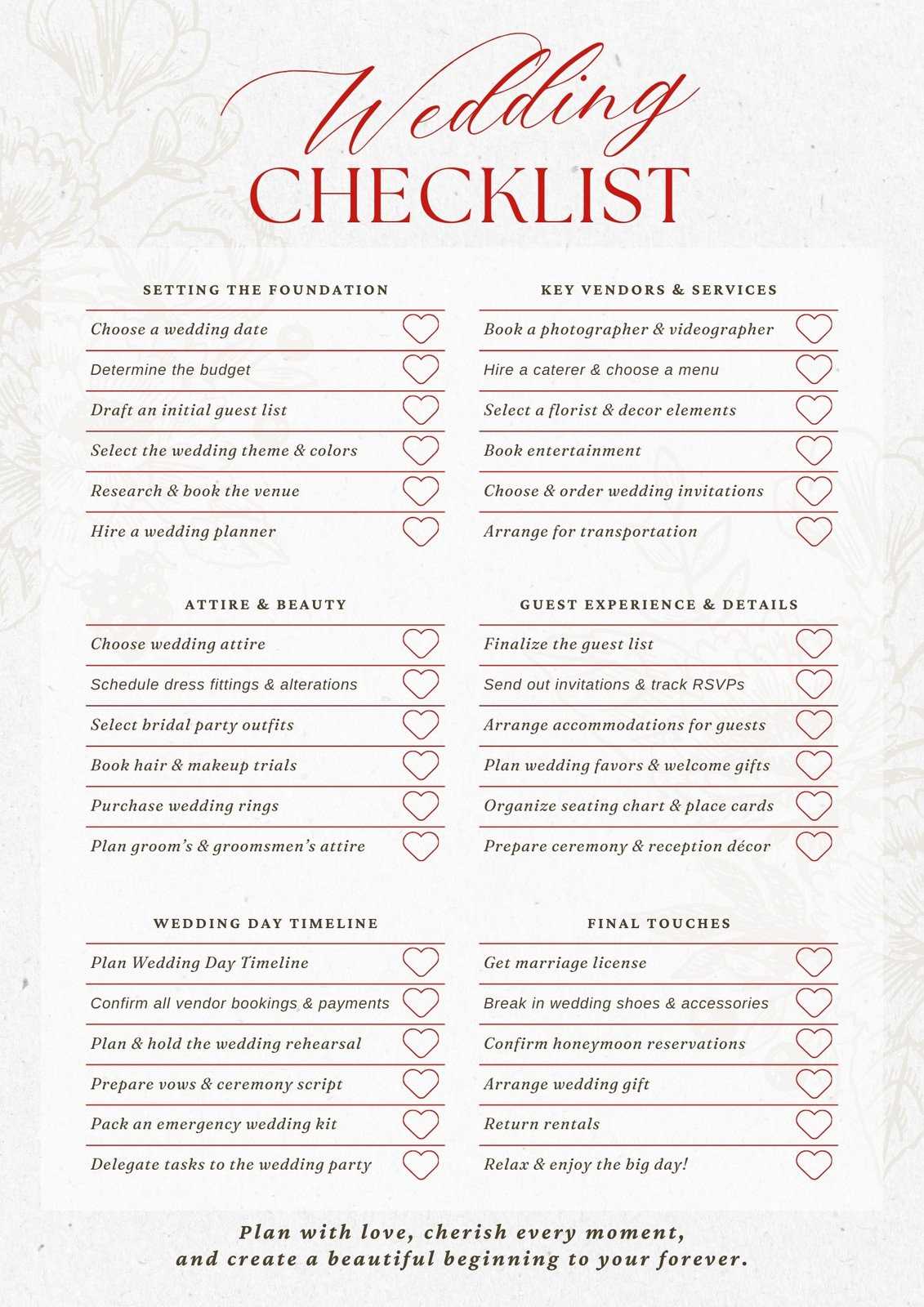
The real benefit of these resources is that they can be tailored to your specific needs. Customizable templates let you adjust details such as the number of guests, the date of each event, or specific budget categories. By having the flexibility to modify the templates, you can ensure they accurately reflect the unique requirements of your special occasion.
Using printable tools not only keeps you organized but also helps reduce stress by providing a visual structure for your planning. Keep all your documents in one place–whether physical or digital–so you can easily refer back to them at any time. Organizing your event with the right templates is the most practical and time-efficient way to bring your vision to life.
Wedding Planning Made Simple with Handy Templates
Begin by using a basic checklist to manage all your tasks. This simple tool will help you organize everything from selecting a venue to sending out invitations. A well-structured checklist allows you to break down the process into smaller, manageable tasks, ensuring that you stay on top of everything.
Next, incorporate a budget tracker into your planning. With this tool, you can easily allocate money to each category, from food and decorations to the venue and entertainment. Include sections for deposits and final payments, helping you stay within your financial limits and avoid surprise costs.
For managing your guest list, use a dedicated tracker. It’s helpful to record RSVPs, meal preferences, and contact details. This tool allows you to keep everything in one place, making it easier to follow up with guests and ensure no one is forgotten.
To streamline the design process, use a template for seating arrangements. By mapping out where guests will sit, you can prevent confusion and ensure everyone is placed comfortably. This is particularly useful for larger events with complex seating requirements.
Don’t forget a vendor contact sheet. This template will store all the important details about suppliers–caterers, photographers, florists, and more–so you can quickly reach them with any questions or updates. Having all their information in one place helps avoid last-minute scrambling.
A timeline template is a great tool to ensure everything happens on time. By breaking down the months, weeks, and days leading up to the event, you’ll be able to plan key milestones. This keeps you focused on the bigger picture while also helping you manage daily tasks efficiently.
For the finishing touches, use a decoration checklist. With this tool, you can track all the items needed for your venue, such as flowers, lighting, and centerpieces. This helps avoid forgetting any last-minute decor elements and ensures the event looks cohesive and well thought out.
These tools are customizable, allowing you to adapt them to your specific needs. Whether you’re planning a small gathering or a large celebration, templates help you stay organized and reduce stress throughout the entire process. Use these resources to turn your planning experience into a smooth and enjoyable one.