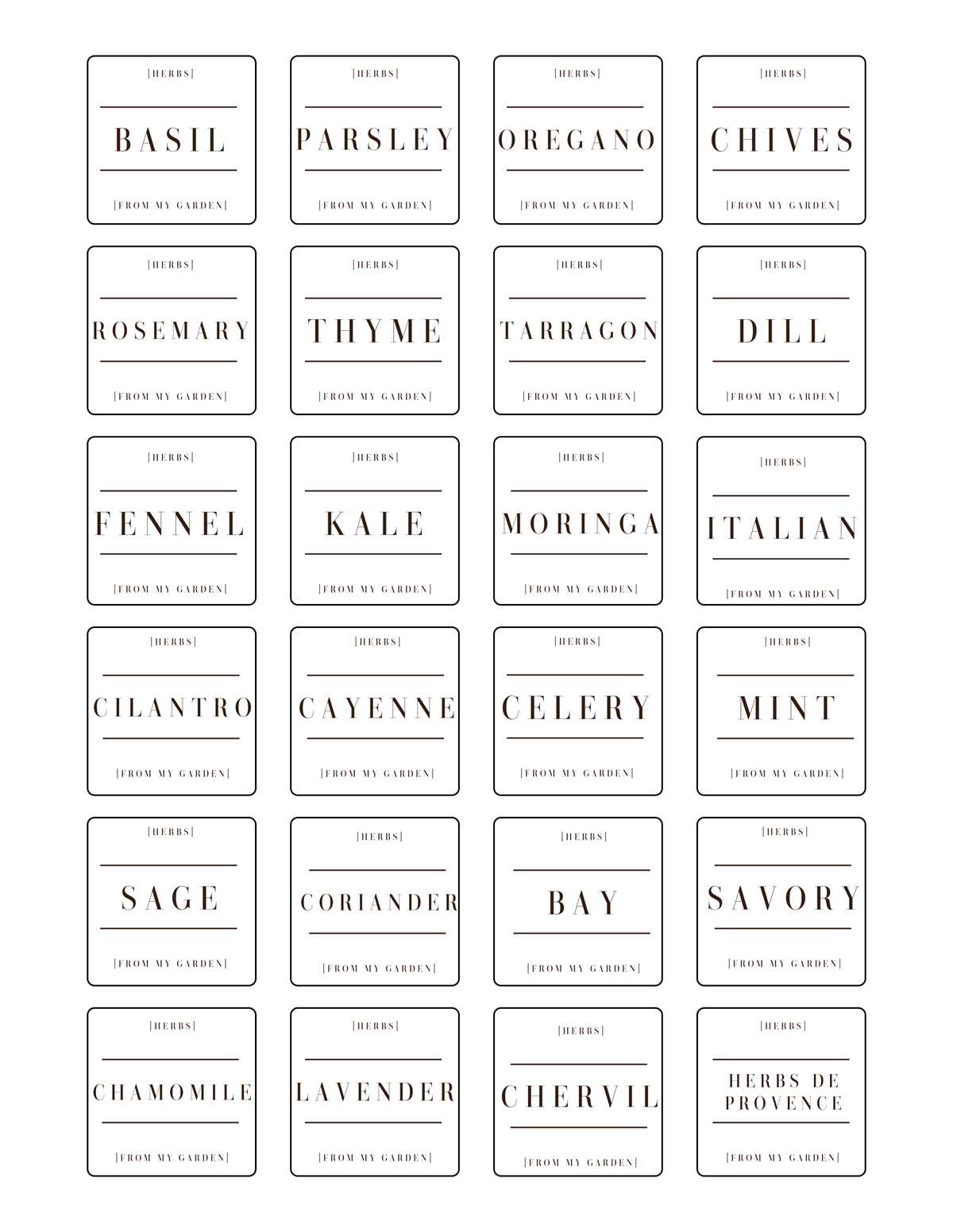
Use customized markers to stay organized when managing different types of plants. Creating and using these identifiers ensures each plant is correctly labeled, making plant care easier and more efficient.
Creating Personalized Markers for Your Plants
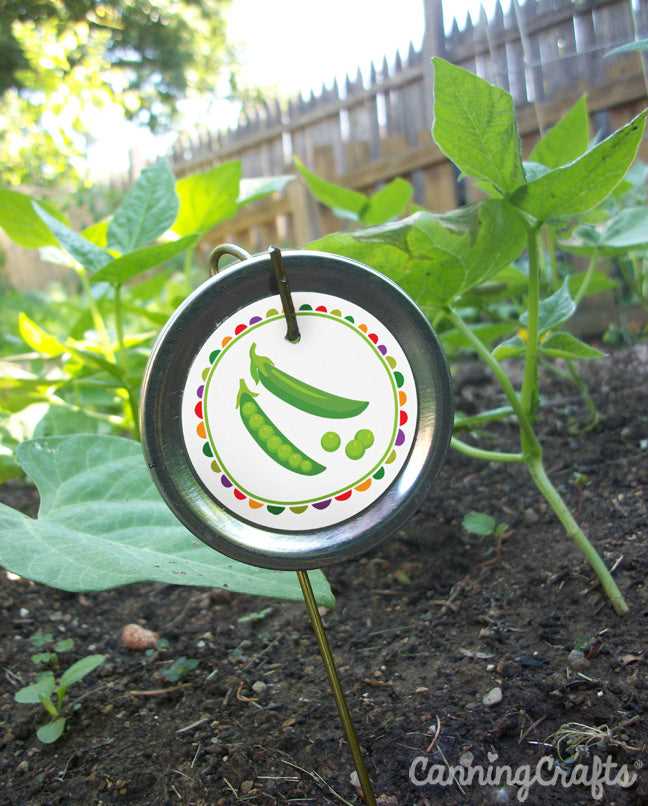
To create unique markers, start by designing custom tags on your computer or by hand. You can print them on sturdy paper, cardboard, or sticker sheets. Select a design that matches your style, whether you want simple text or a more decorative approach. Label the markers with the plant’s name, its care instructions, or even a small drawing for easy identification.
Consider printing a set of these markers to keep things uniform. You can create your own template, or find free resources online for downloadable files that can be printed at home. This will not only save money but allow for quick customization for every new plant you add to your collection.
Durability for Long-Term Use in Various Conditions
For outdoor use, ensure the tags you create are durable enough to withstand the elements. Print your markers on thicker paper or use adhesive labels. To make them last even longer, laminate the tags or print them on plastic sheets to ensure they resist moisture and wear from the sun.
If you’re using paper, consider placing them inside plastic sleeves or using waterproof pens to avoid fading. Permanent markers can also provide the durability you need for outdoor conditions, ensuring that your markers stay legible for the whole season.
Another option is to go for more robust materials like wooden or metal stakes. These can be engraved or painted with the plant’s name and other important details. These materials will offer additional strength against weather conditions, making your tags last longer in any environment.
Using color-coded or differently shaped markers can help you quickly identify different types of plants or their care requirements. For example, you can use green markers for vegetables, red for flowers, and yellow for herbs. This will help you organize your collection and make your plant care routine more intuitive.
Finally, for those interested in eco-friendly options, consider using recycled materials like wine corks, old plastic bottles, or repurposed wood to create your markers. This not only gives your garden a unique touch but also helps reduce waste while still keeping your plants well-labeled and easily identifiable.
Garden Labels and Markers: Easy Solutions for Garden Organization
Using markers for plant identification allows for clear and organized care. These tags can be customized to meet your garden’s specific needs. For convenience, you can use waterproof materials to ensure that your markers last through all weather conditions.
To begin, choose materials that suit your gardening environment. For example, plastic or laminated paper is perfect for wet conditions, while wooden markers offer durability in drier, more stable climates. It’s important to select the right material based on your specific location.
For a more aesthetic touch, try designing your own markers with colorful fonts or pictures. You can print out simple designs on adhesive paper or cut shapes from recycled materials. This personalization adds a fun, creative aspect to your space while still being functional.
If you want a more permanent solution, consider engraving wooden stakes or using metal tags. These provide a rustic and long-lasting option, especially for perennial plants that will remain in your garden for several years. The engraving ensures the name stays readable through many seasons.
Another practical idea is to make use of color coding. Assign different colors to different plant categories, such as red for flowers and blue for vegetables. This method adds an extra layer of organization to your setup and helps you quickly identify plants at a glance.
If you’re looking for a budget-friendly option, using old materials like popsicle sticks, wine corks, or even recycled plastic bottles can help create unique, eco-friendly markers. Simply label them with a permanent marker and you’re ready to go.
Finally, for those who prefer a simpler approach, pre-designed templates for quick download can be extremely helpful. These can be printed directly from your computer, allowing you to quickly label your plants and get your garden organized without any hassle.