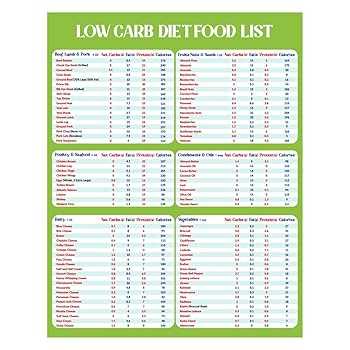
Aim for 25 grams per day for women and 38 grams per day for men, adjusting slightly based on age and calorie intake. Use a clear reference table showing grams per portion to track daily intake without guesswork.
Plant Based Sources Ranked by Grams per Portion
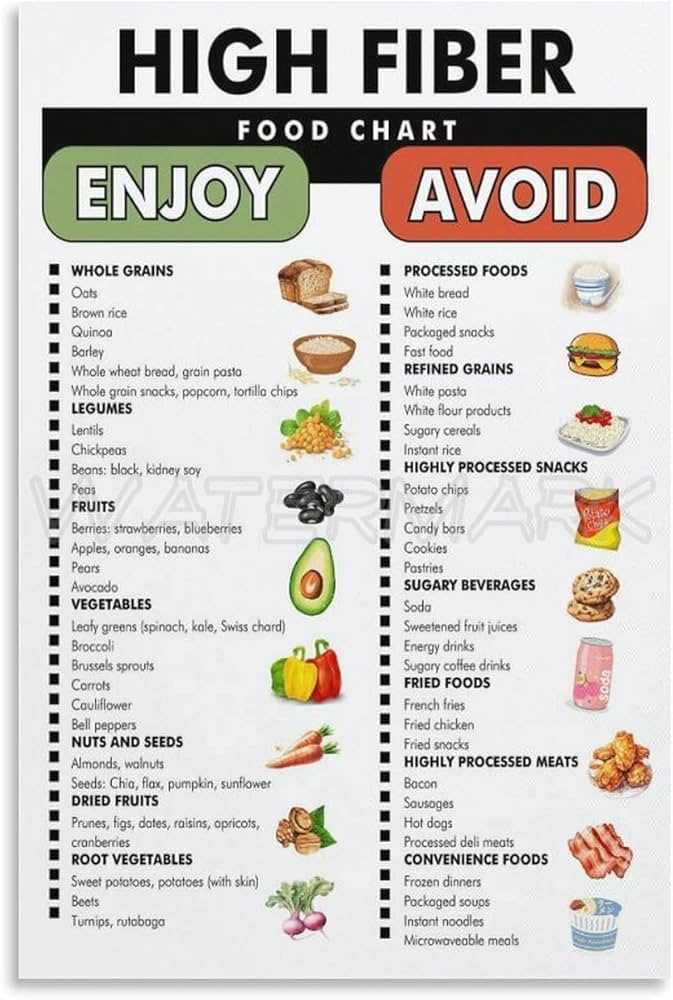
Prioritize legumes, whole grains, seeds, vegetables, and fruits with measurable values per standard serving size.
- Lentils, cooked, 1 cup – 15.6 g
- Black beans, cooked, 1 cup – 15 g
- Chia seeds, 2 tablespoons – 10 g
- Oats, dry, 1/2 cup – 4 g
- Raspberries, 1 cup – 8 g
- Broccoli, cooked, 1 cup – 5 g
- Pear with skin, medium – 5.5 g
Divide the table into categories with serving sizes clearly stated in grams, cups, or pieces. This prevents underestimating intake when portions vary.
Daily Intake Planning Method
Distribute roughage evenly across meals. Example: 8 g at breakfast from oats and berries, 10–12 g at lunch from beans or whole grains, 8–10 g at dinner from vegetables and seeds. Increase intake gradually by 3–5 g per week to reduce bloating.
Using a Kitchen Reference Sheet for Weekly Meals
Place the reference chart on the refrigerator or inside a pantry door for quick comparison while preparing meals. Mark commonly used items with a pen to speed up selection.
Hydration and Balance
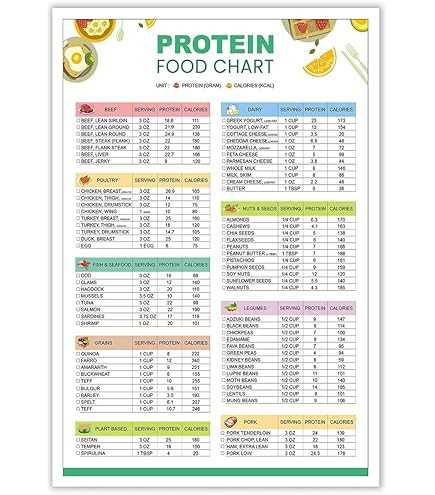
Drink at least 1.5–2 liters of water daily when increasing plant roughage. Adequate fluid supports digestion and reduces discomfort linked to sudden intake changes.
Portion Control Tips
- Measure dry grains before cooking.
- Weigh legumes after draining.
- Use measuring cups for fruit and vegetable servings.
A structured dietary reference chart simplifies nutrient tracking, supports digestive health, and helps maintain stable blood glucose levels through consistent intake.
High Fiber Food List Printable with Serving Sizes
Use a clear reference table that shows grams of dietary roughage per standard portion so you can reach 25 g per day for women and 30–38 g per day for men without estimating. Keep serving sizes consistent in cups, grams, or pieces to avoid undercounting.
Include legumes at the top of the chart: cooked lentils provide 15–16 g per cup, black beans about 15 g per cup, chickpeas around 12–13 g per cup. These options deliver large amounts in one serving and simplify daily planning.
Add whole grains with measured portions. Rolled oats offer about 4 g per 1/2 cup dry, cooked quinoa around 5 g per cup, brown rice 3–4 g per cup. Specify whether values refer to dry or cooked weight to prevent confusion.
List seeds and nuts in tablespoon measurements. Chia seeds supply roughly 10 g per 2 tablespoons, ground flaxseed about 4 g per tablespoon, almonds close to 3.5 g per 28 g serving. Small quantities contribute significantly when added to meals.
Include fruits with edible skins noted. Raspberries contain about 8 g per cup, a medium pear 5–6 g, a medium apple about 4–5 g. Indicate “with skin” where applicable, since peeling reduces total intake.
Vegetables should appear with cooked and raw distinctions. Cooked broccoli delivers about 5 g per cup, Brussels sprouts 4 g per cup, carrots roughly 3–4 g per cup chopped. Cooking can slightly change volume measurements, so clarify preparation method.
Arrange items by grams per portion from highest to lowest. This layout helps identify dense sources quickly and build meals that reach 8–10 g per sitting.
Place the reference page on a refrigerator or inside a cabinet door and review it while planning weekly meals. Track totals across breakfast, lunch, dinner, and snacks to maintain steady intake rather than concentrating all plant roughage in one meal.