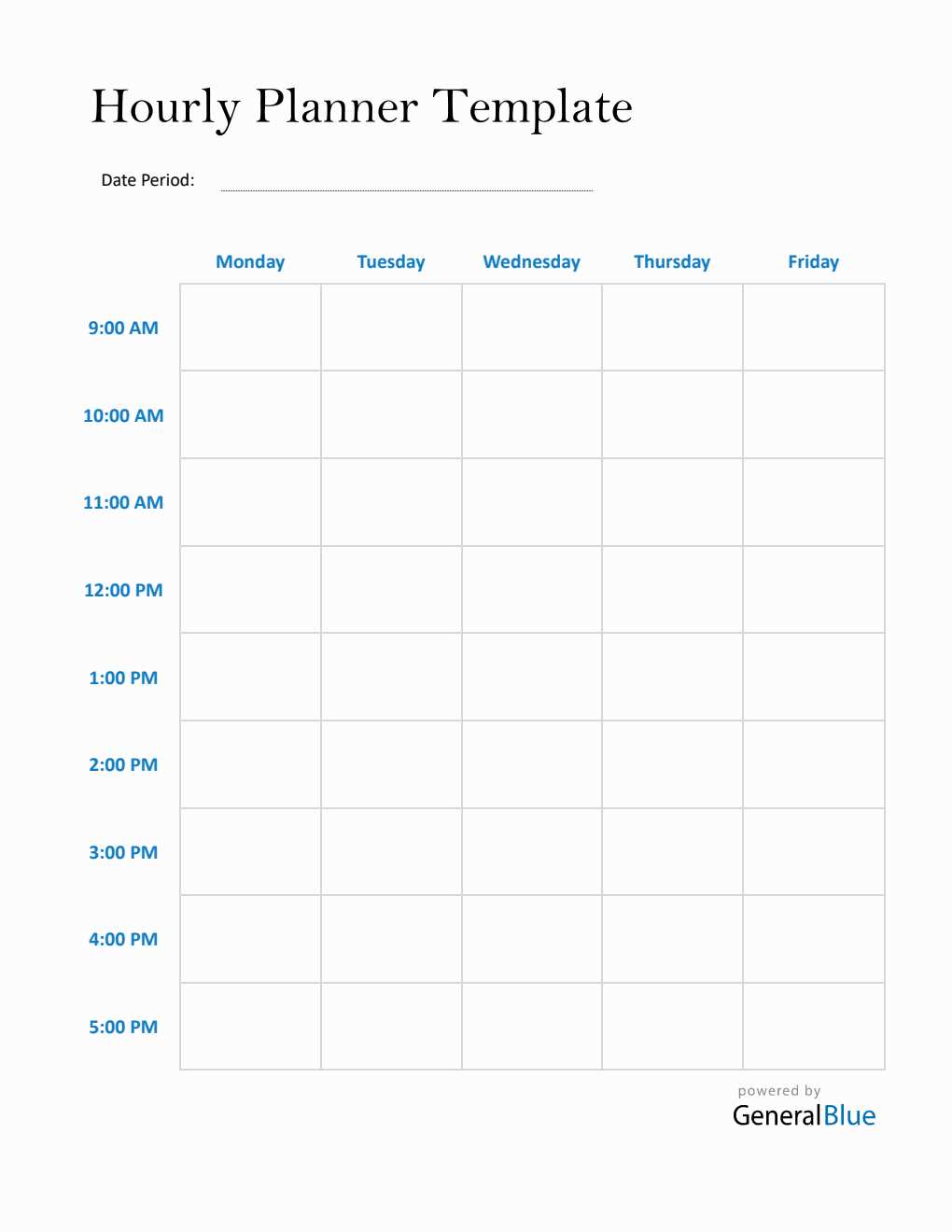
Creating a detailed plan for your day can increase productivity and reduce stress. To do this, break your day into clear blocks, assigning tasks to specific moments. This method helps manage time more efficiently and ensures important tasks are not overlooked.
Steps to Set Your Time Blocks
Start by listing all the activities you need to accomplish. Categorize them based on their priority level. Next, identify how long each task might take. This helps to build a realistic timeline that fits within the limits of your day.
1. List Activities and Assign Time
Write down everything you need to complete during the day, including work, errands, exercise, and leisure. Next, decide on timeframes for each activity. Be mindful not to over-schedule, as too many tasks can lead to burnout.
2. Be Specific
Instead of vague time slots, provide detailed periods for each task. For example, rather than simply writing “work,” write “work on project X from 9 AM to 11 AM.” The more precise the time slots, the better you can manage them.
3. Leave Room for Flexibility
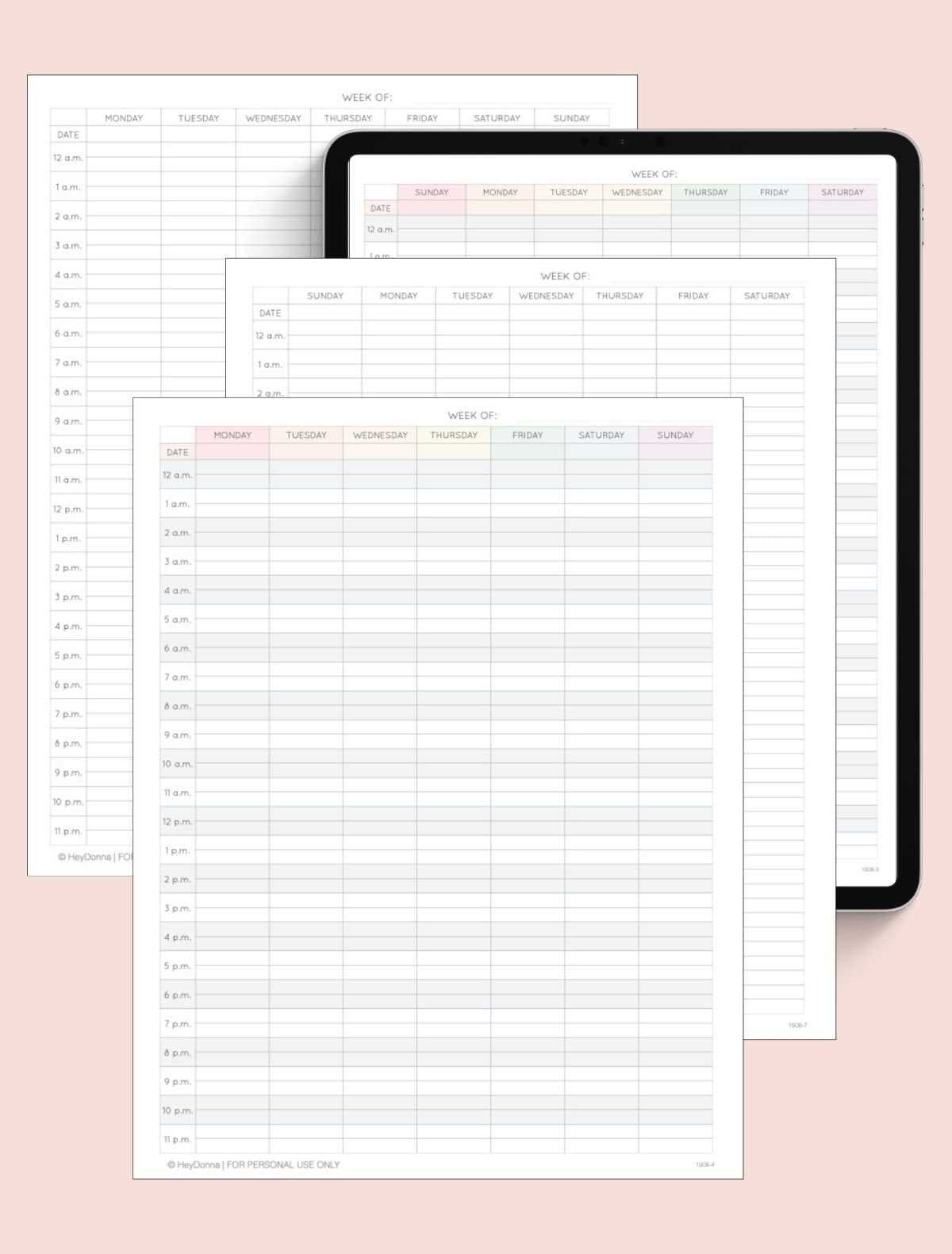
Even with a structured plan, leave brief breaks between tasks. This helps accommodate unexpected changes or delays. It also prevents burnout and provides mental space to recharge.
Tools for Time Blocking
- Paper planners: A physical method of tracking tasks can be effective for many. It adds a personal touch and provides satisfaction when crossing off completed tasks.
- Digital calendars: Apps like Google Calendar allow you to set reminders and sync across devices, ensuring you’re always on track.
- Time management apps: These apps, such as Todoist or Trello, can be customized for specific tasks, allowing for smooth transitions from one task to another.
Adjust and Review Regularly

As your day progresses, adjust the timing of your activities as needed. It’s a good idea to review your schedule at the end of the day to identify improvements for the future.
Be Realistic About Your Goals
Setting achievable targets is critical. If you find your plans are too ambitious, scale back. A schedule that is too tight can cause frustration and defeat the purpose of time management.
Organize Your Day with Precision
Begin by structuring your day with clear blocks of time. Break tasks into specific segments so that every moment is purposeful. Assign each activity a dedicated span to ensure no task is overlooked or rushed.
For maximum focus, categorize tasks by priority. Morning hours should be reserved for tasks that demand the most energy. This could include work that requires concentration or creativity. By assigning the first part of the day to high-priority actions, you set a productive tone.
Incorporate breaks between tasks, especially after intense or time-consuming work. A brief pause can help refresh the mind, preventing burnout. Even a 10-minute break between long tasks keeps the workflow steady and sustainable.
Use time blocks that align with your natural rhythm. If you tend to be more alert in the morning, reserve challenging tasks for this period. Conversely, save lighter or routine tasks for when energy wanes later in the day.
Write down each activity in sequence. This physical act of listing not only helps you remember your commitments but also gives a visual representation of your day. A tangible chart keeps distractions in check and creates a clear path ahead.
When outlining your day, remember flexibility is key. Unexpected events can arise. Build in a small cushion between tasks to handle unforeseen disruptions or delays. This keeps the flow intact without overwhelming your plans.
Ensure to balance work with rest. Over-scheduling can be counterproductive. Assign time for meals, physical activity, or moments of relaxation to maintain a healthy rhythm. By preserving energy levels throughout the day, you ensure sustained productivity.
At the close of the day, reflect on accomplishments. Review what was completed and adjust the next day’s plan accordingly. Adjusting your approach based on prior performance will lead to continuous improvement and enhanced time management.