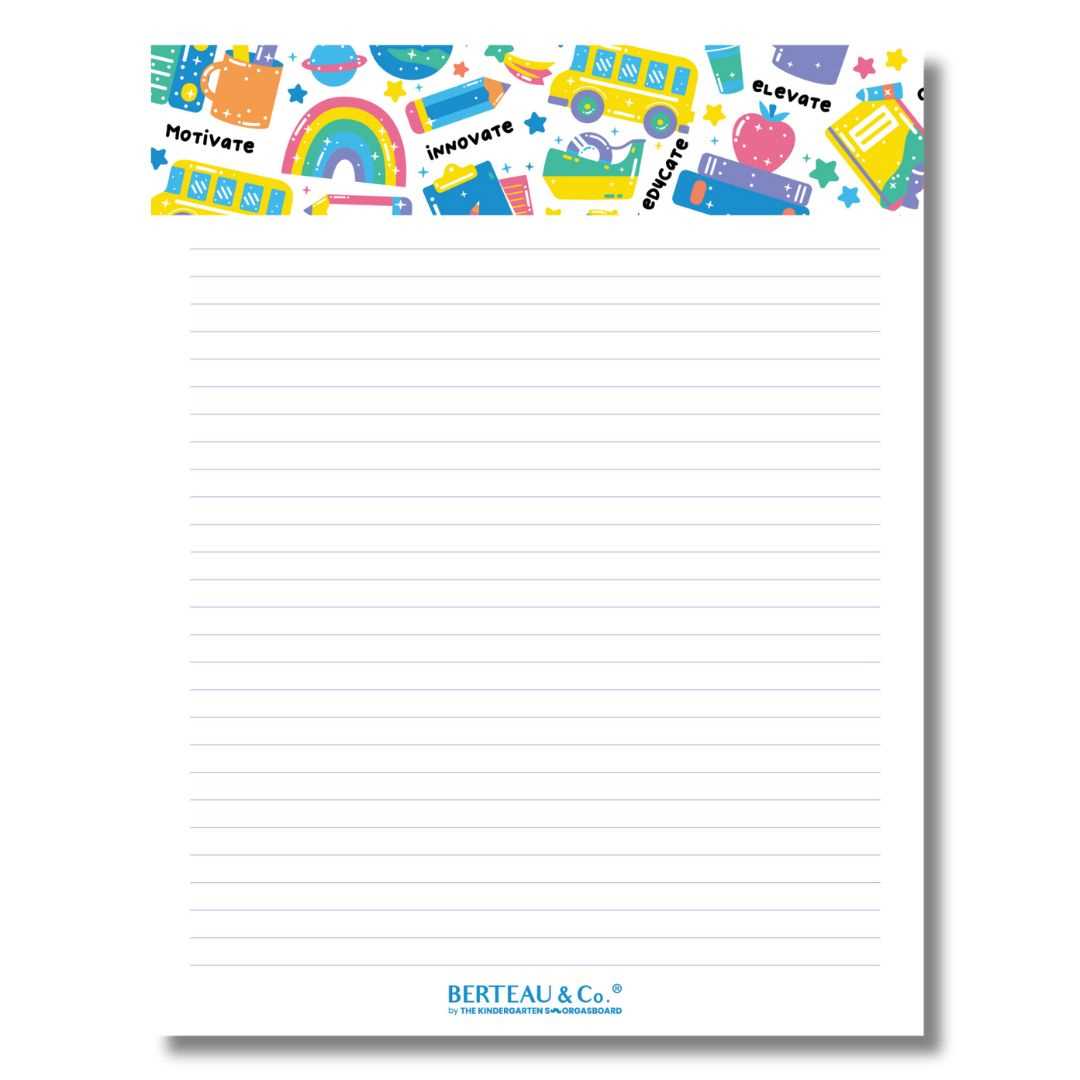
Start by selecting a format with clearly defined sections that help children write accurately. Sheets with simple horizontal lines and enough space between them promote better control over letter formation. Choose an option that has a dotted midline, which serves as a guide for proper letter height, ensuring consistency in handwriting development.
Designing for Easy Letter Formation
For younger children, start with larger-sized guides. This helps them focus on controlling their hand movements. As they progress, gradually reduce the size of the lines and increase the number of lines per page. This transition encourages growth in motor skills and writing precision. Add additional practice areas with empty spaces to write words or practice letters repeatedly.
Key Features for Handwriting Improvement
- Letter Guidelines: Include lines that feature a dashed middle section to help with consistent letter size.
- Space Between Lines: Sufficient space helps prevent overcrowding of letters and promotes better control.
- Variety of Fonts: A mix of uppercase and lowercase styles encourages recognition of letter forms.
Using the Sheets Effectively in the Classroom
Incorporate these sheets into daily activities. Allow children to practice both upper and lowercase letters, followed by simple words. Using themed practice sheets–like animals, seasons, or objects–can make writing tasks more engaging. As the child’s skills develop, introduce more complex activities, such as writing full sentences or tracing short paragraphs.
Additional Tips for Success
- Set aside dedicated practice time each day to help reinforce muscle memory.
- Encourage children to write slowly and methodically, focusing on each letter.
- Use stickers or rewards to motivate consistent practice and celebrate progress.
How to Select the Right Sheet for Early Writing Skills
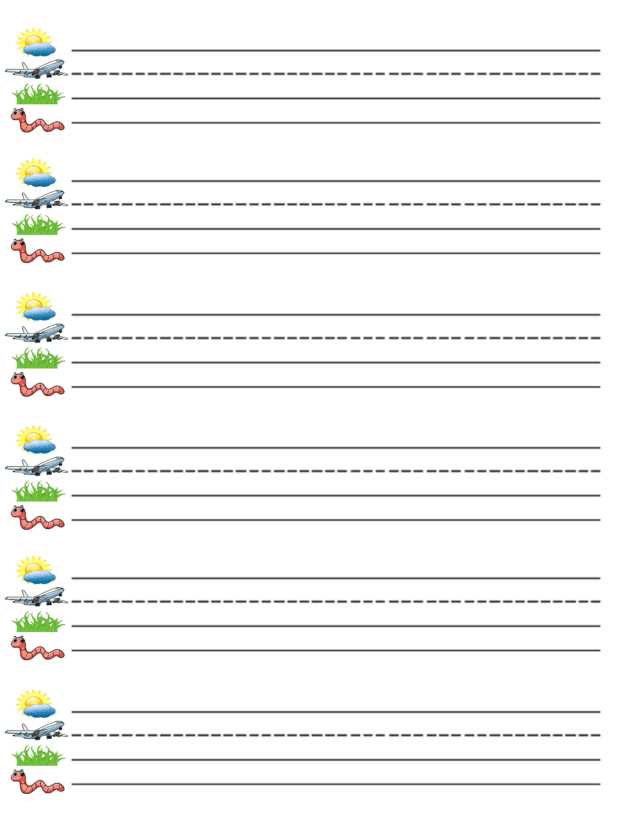
When choosing sheets for early writing practice, look for those with clear, easily distinguishable lines to guide letter formation. Opt for pages with wide spacing between lines to accommodate large letters and improve fine motor control. Sheets with a dashed middle line allow children to focus on letter height and positioning, making it easier for them to form letters correctly.
For young learners, start with sheets that have a larger size and enough space to write each character without crowding. These larger templates help reinforce the concept of writing in an organized manner. Gradually move to smaller spaces as their writing improves, encouraging more precise motor control and a better understanding of spacing between letters.
As the child progresses, incorporate practice areas with simple words or short sentences to build fluency. Including visual cues, like small pictures related to the words, can keep them engaged while they practice writing. This makes the task more fun and memorable, helping children retain both letter shapes and word patterns.
Incorporating various fonts or different types of letterforms within the practice material helps students learn both uppercase and lowercase characters. Allowing them to write both forms on the same page enables smoother transitions between different writing styles. This versatility is key for maintaining their interest and developing well-rounded writing skills.
To ensure long-term success, make a habit of using these sheets regularly. Consistency is key for building muscle memory in early handwriting development. Incorporate timed practice sessions or goals, like writing a certain number of letters or words within a set time, to track progress and provide a sense of achievement as children become more comfortable with writing.