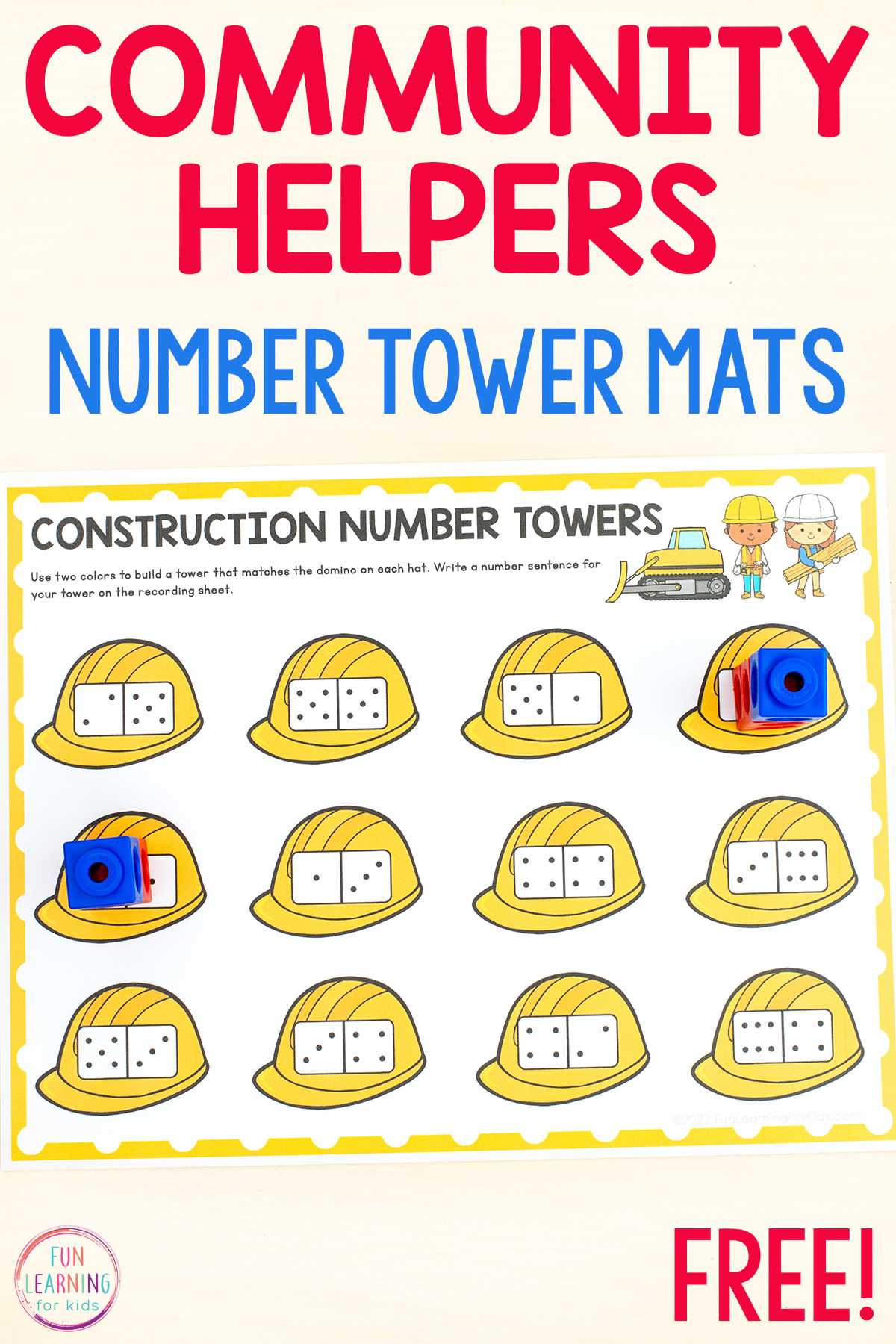
Start by selecting simple activity sheets that align with the developmental stage of the child. Look for worksheets that focus on basic number recognition, counting, and simple addition or subtraction within the range of 1 to 10. Printable worksheets with clear visuals and a fun layout can keep young learners engaged while practicing essential skills.
Where to Find High-Quality Resources
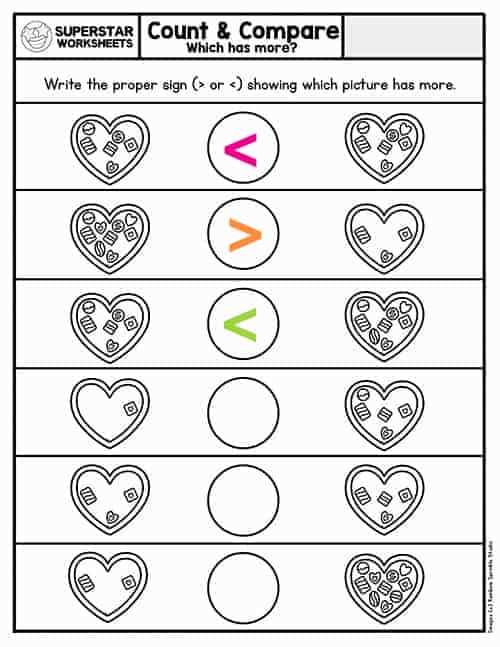
Numerous websites offer downloadable worksheets tailored for young students. Some of the best sources include educational platforms, teachers’ blogs, and resource-sharing websites. Websites like Education.com or TeachersPayTeachers provide numerous options, but many free resources can be found simply by searching for “early learning worksheets” on Google. These can be printed at home for immediate use.
Ensure that the materials you select are appropriate for the child’s skill level. For example, choose a worksheet where children can match numbers to pictures or trace numbers, as these exercises are good for developing motor skills and number recognition. Additionally, look for worksheets with both visual aids and simple instructions to guide students through the activities.
How to Maximize Learning with Simple Exercises
To get the most out of these resources, focus on interactive activities that reinforce the lessons. For instance, you can use number matching activities where the child draws lines to match numbers to objects. This makes learning more engaging by connecting abstract concepts to concrete examples. Incorporate stickers or stamps as rewards to create a more interactive experience.
Another useful exercise is using worksheets where children can color different parts of the page based on numerical instructions. For example, “Color 3 stars yellow” helps reinforce counting and listening skills while making the learning experience enjoyable.
Try to incorporate short, frequent learning sessions instead of long ones. This will help children stay focused and enjoy the process. A 15-minute session with one worksheet is often more productive than an hour-long session with too many activities to complete.
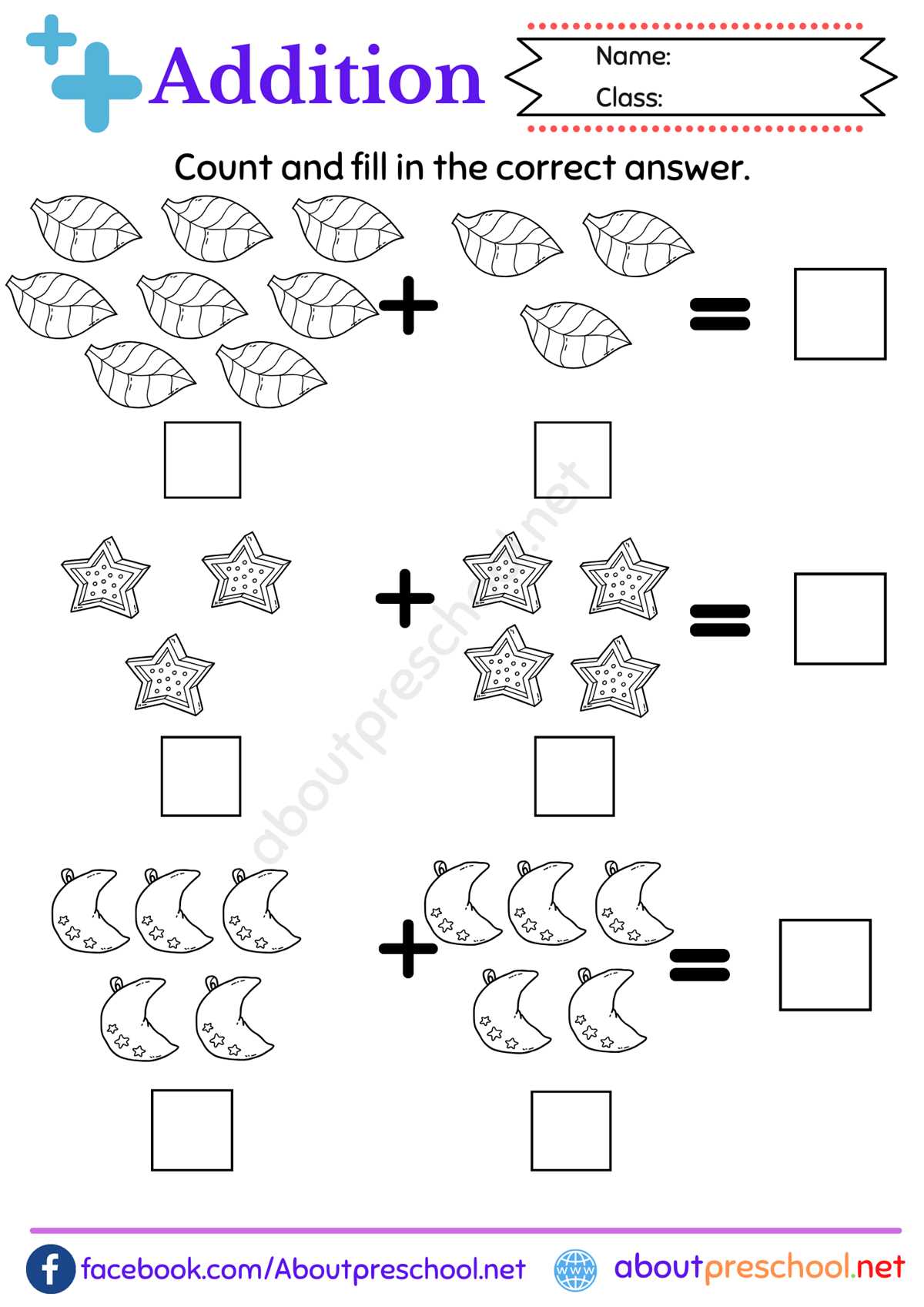
Once children are comfortable with the basics, gradually increase the complexity of the worksheets. For example, introduce activities that ask for simple addition problems, such as “What is 2 + 3?” using visual aids like pictures of apples or animals to represent numbers. This builds a foundation for later, more advanced concepts.
Lastly, make sure to vary the types of activities to prevent boredom. Use matching, coloring, tracing, and even cut-and-paste activities. The more varied the exercises, the more engaged children will remain, and the more likely they are to retain what they’ve learned.
Using Free Resources for Early Learning Activities
Start by looking for simple worksheets that cover basic concepts like counting, recognizing numbers, and comparing quantities. A well-structured page with clear visuals can help young learners grasp these ideas quickly. These exercises are ideal for reinforcing what children already know while offering a fun way to build new skills.
Many websites offer excellent downloadable resources that focus on basic addition and subtraction. Simple problems with visual aids, such as images of objects or animals, can make learning enjoyable. As children become more familiar with numbers, you can gradually introduce slightly more complex problems to challenge their growing skills.
Additionally, hands-on activities like tracing numbers or matching shapes are very effective for building motor skills while reinforcing number recognition. You can find a variety of templates online, and even create your own based on what your child needs the most practice with. These exercises also provide instant feedback, which helps with retention and learning confidence.
Once your child feels comfortable with the basics, expand their practice to include number sequencing and simple pattern recognition. These activities promote logical thinking and are a great way to introduce early problem-solving concepts. Using resources with colorful designs or interactive elements can make these activities even more engaging.