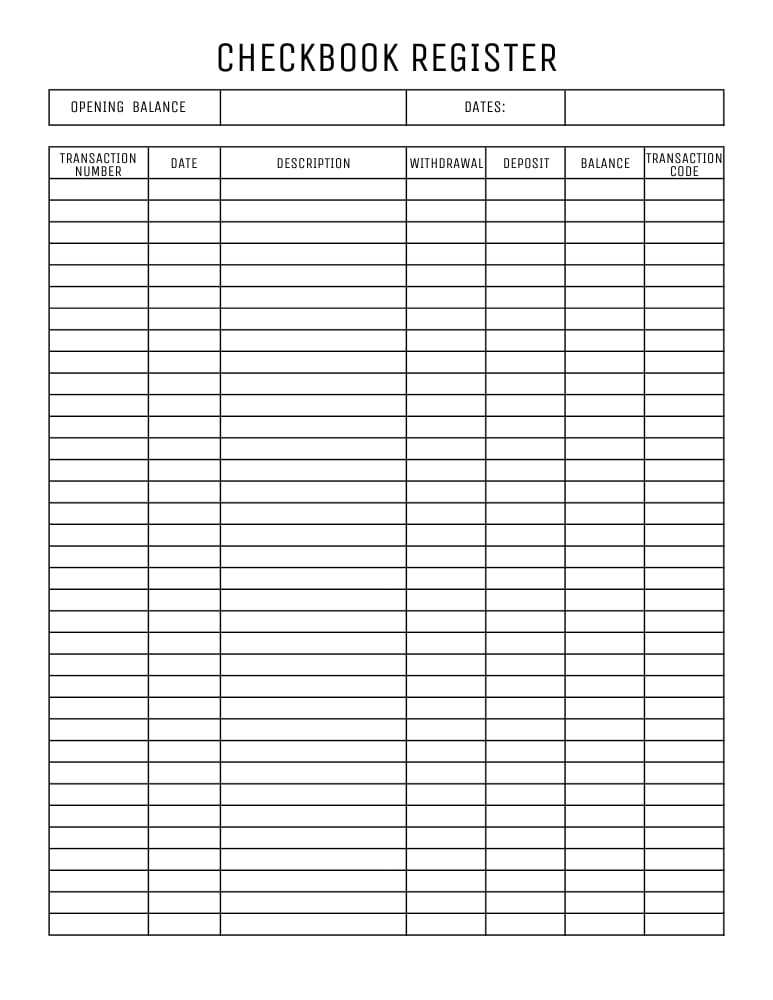
Choose a wide-format transaction log with at least 10–12 mm row height to prevent cramped handwriting and missed figures. Sheets sized for standard letter or A4 paper work best, provided margins stay under 12 mm so every column remains visible after binding or filing.
Layout Choices That Reduce Entry Errors
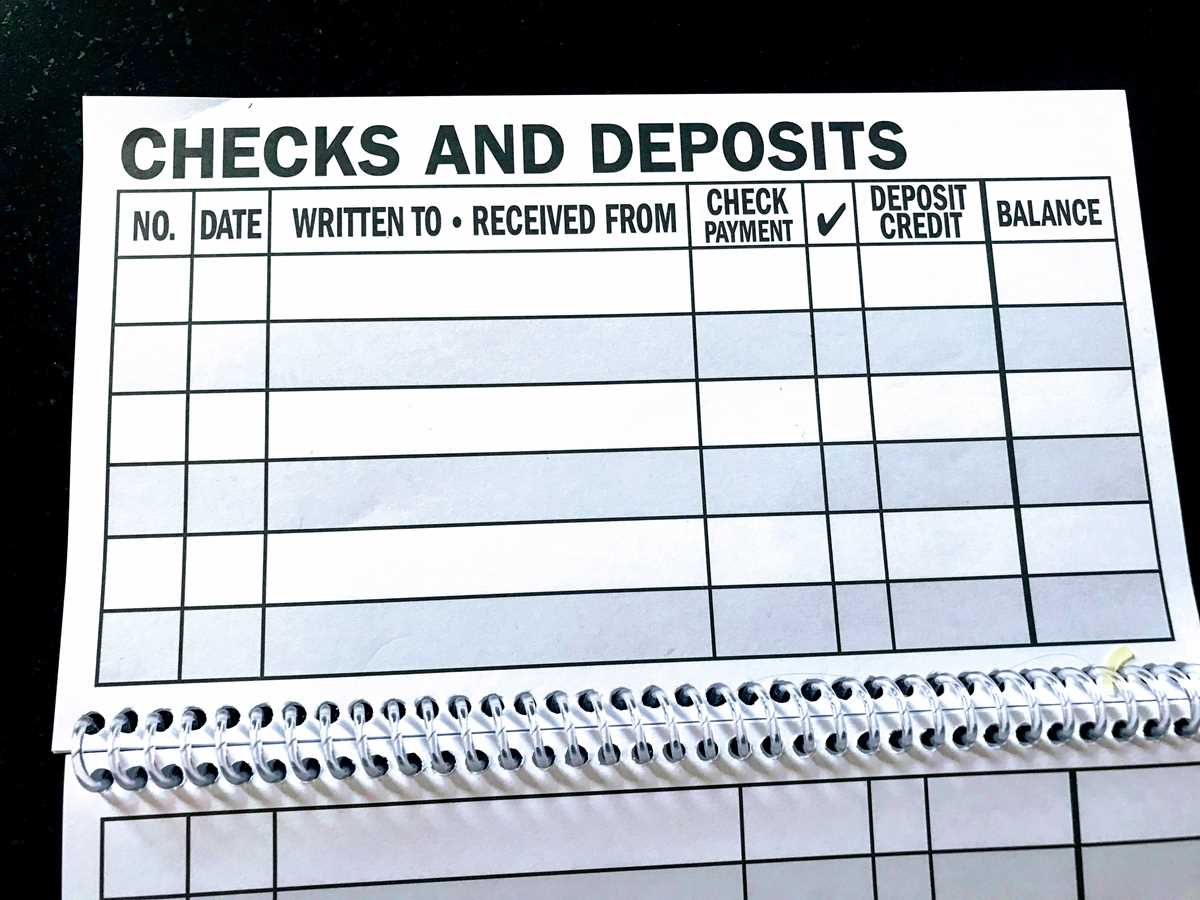
A well-built payment ledger separates dates, descriptions, debit amounts, credit amounts, and running balance into fixed-width fields. Aim for debit and credit columns no narrower than 28–32 mm, which fits full numbers without abbreviations. A balance column benefits from extra space, since recalculations often require corrections.
Column Structure Guidelines
- Date field: 18–22 mm for full numeric format
- Description field: minimum 45 mm for merchant or purpose notes
- Debit and credit fields: equal width to avoid visual bias
- Balance field: widest column for recalculation clarity
Grids with light gray lines reduce eye strain compared to solid black ruling. Avoid shaded backgrounds; they lower contrast once ink density varies across entries.
Paper Selection and Output Settings
Use uncoated stock between 90–120 gsm to prevent ink bleed and allow easy erasing. Heavier stock resists curling when stored in binders. Set output scaling to 100 percent and disable “fit to page” options to preserve column proportions.
Single-Sheet vs Booklet Use
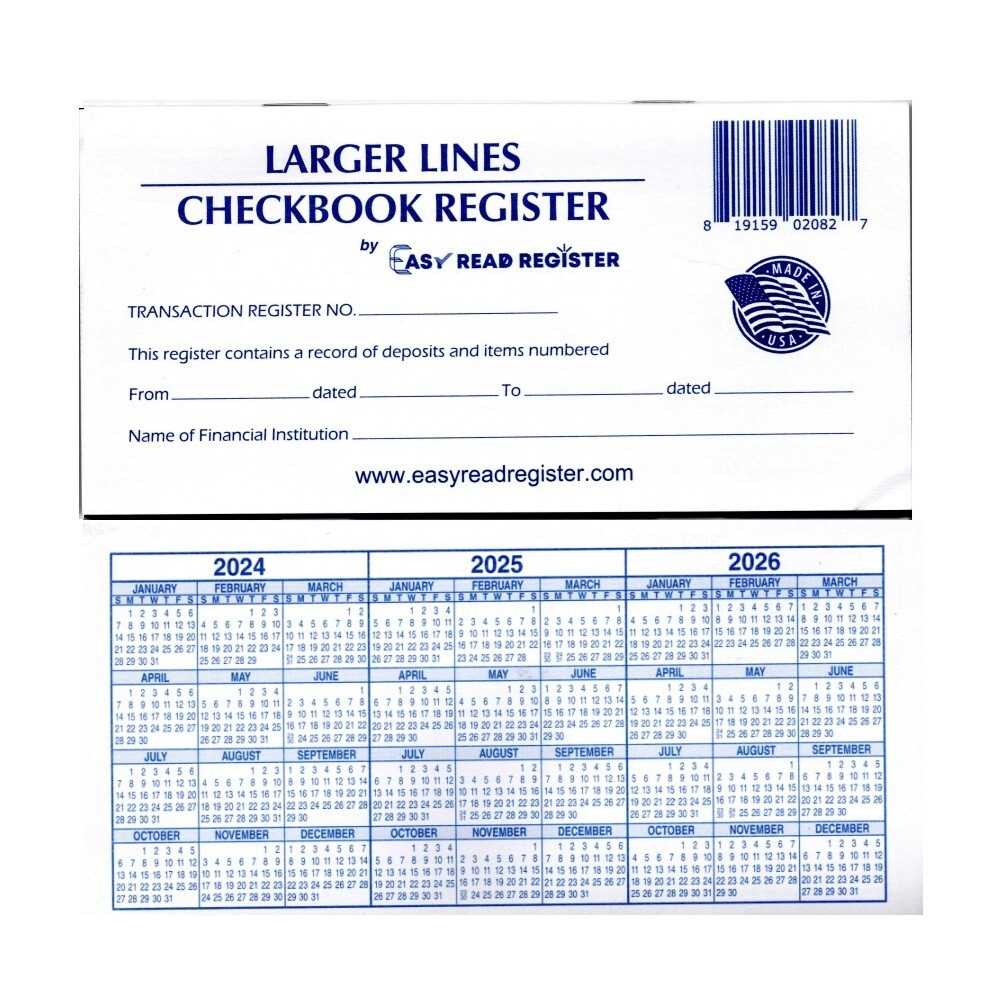
Loose sheets suit monthly tracking, while folded booklet formats help with long-term account history. For booklet use, center columns must stay at least 15 mm from the fold to avoid distortion.
Practical Use Habits
- Record each transaction immediately after confirmation.
- Recalculate balances after every three to five entries.
- Use one ink color per month to spot gaps faster.
This format supports manual budgeting, reconciliations, and audit reviews without relying on software, while keeping every transaction legible and logically ordered.
Oversized Account Ledger for Clear and Organized Account Tracking
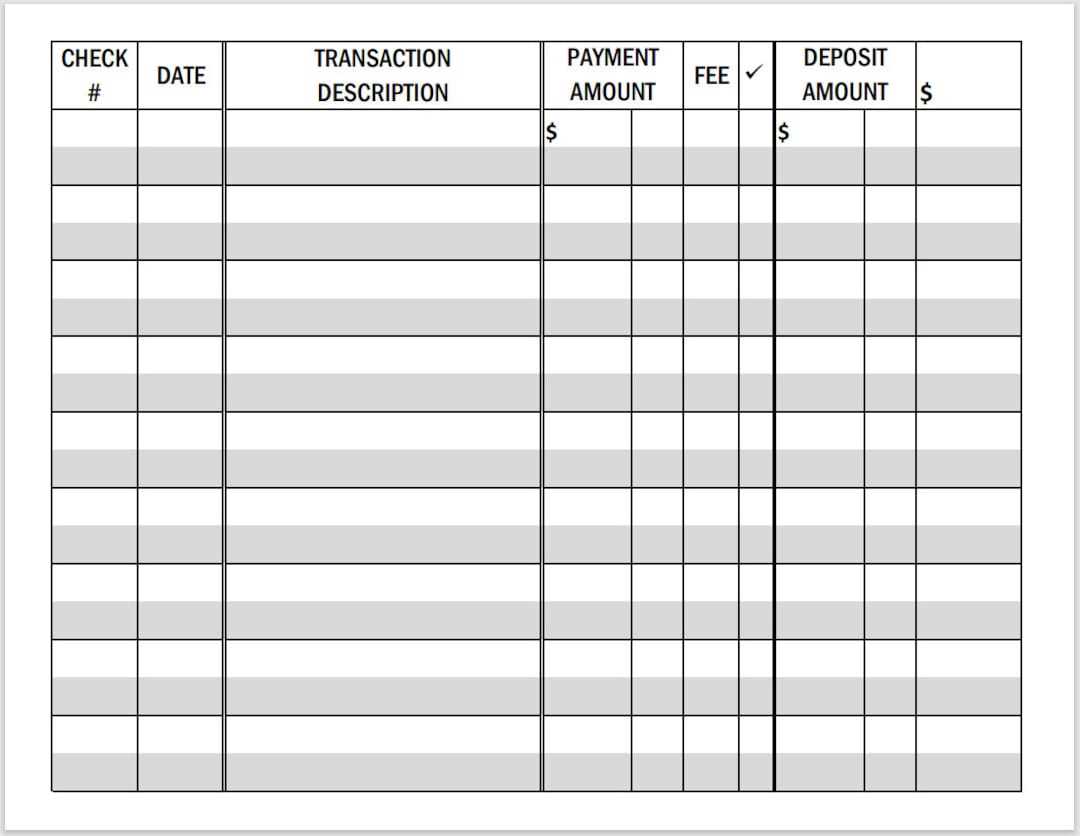
Use a wide-format account ledger with expanded rows to keep handwritten figures readable and aligned. A row height of 10–12 mm reduces overwriting, while a page width that allows five fixed columns prevents shifting numbers during reconciliation.
Assign consistent column widths to date, reference, outflow, inflow, and running total. Dates remain clear at 20 mm, references need at least 45 mm for merchant names, and money fields perform best at 30 mm each. Keep the running total column wider than the rest to accommodate recalculations and annotations without crowding.
Select uncoated paper between 90–120 gsm and set output scaling to 100 percent to preserve spacing. Light grid lines improve scanability, and generous inner margins prevent loss of data when filing or binding multiple sheets for monthly or annual tracking.