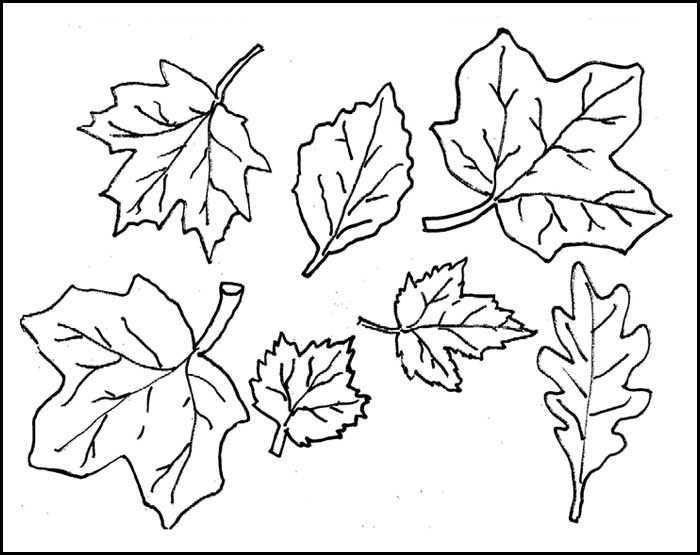
Select a foliage cutout page with solid outlines at least 0.8 mm thick to prevent tearing during cutting and repeated use.
Pattern setup and sizing control
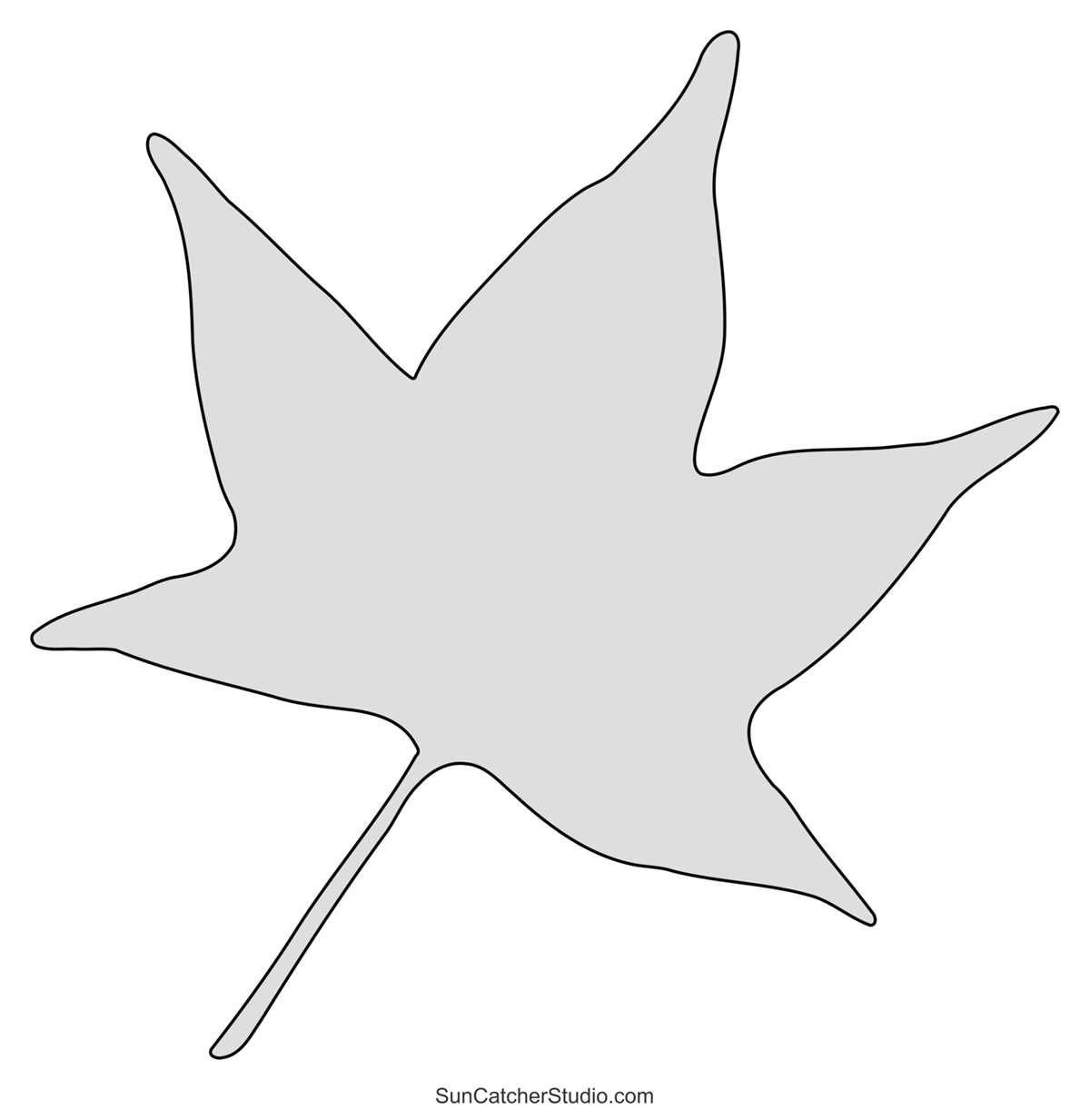
Page format and scale accuracy
Choose A4 or US Letter based on the output device, then lock scale at 100 percent. Disable fit-to-page options to keep vein details sharp. For wall work, enlarge shapes to 120–150 percent; for paper projects, keep original size.
Material pairing for clean edges
Cardstock between 200 and 250 gsm works for paint masks, while thin acetate suits curved surfaces. Paper under 160 gsm curls after two paint passes and causes edge bleed.
Use on different surfaces
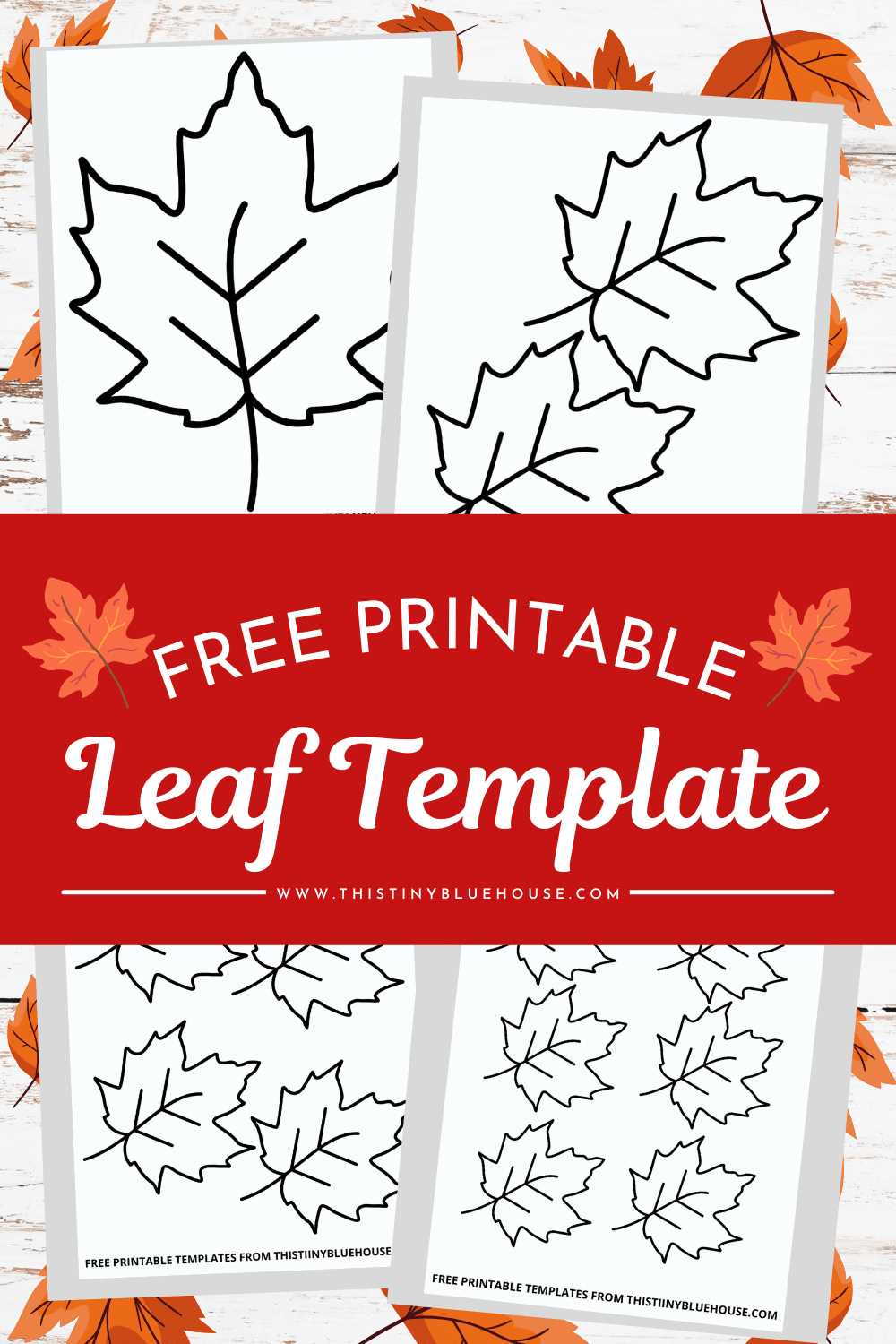
Paint, ink, and texture methods
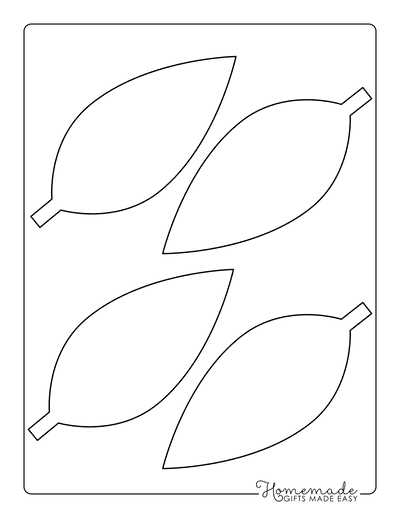
Apply low-tack adhesive spray from 25–30 cm to hold the mask flat. Use foam rollers for large areas and stencil brushes with vertical tapping for veins. Remove the cutout while paint remains slightly wet to avoid flaking.
- Acrylic dries fast and suits walls and wood
- Fabric ink needs heat setting after use
- Chalk paint gives soft edges on furniture
- Test placement on scrap material
- Secure the mask along edges only
- Clean residue before storage
Foliage Cutout Pages for Craft and Paint Work
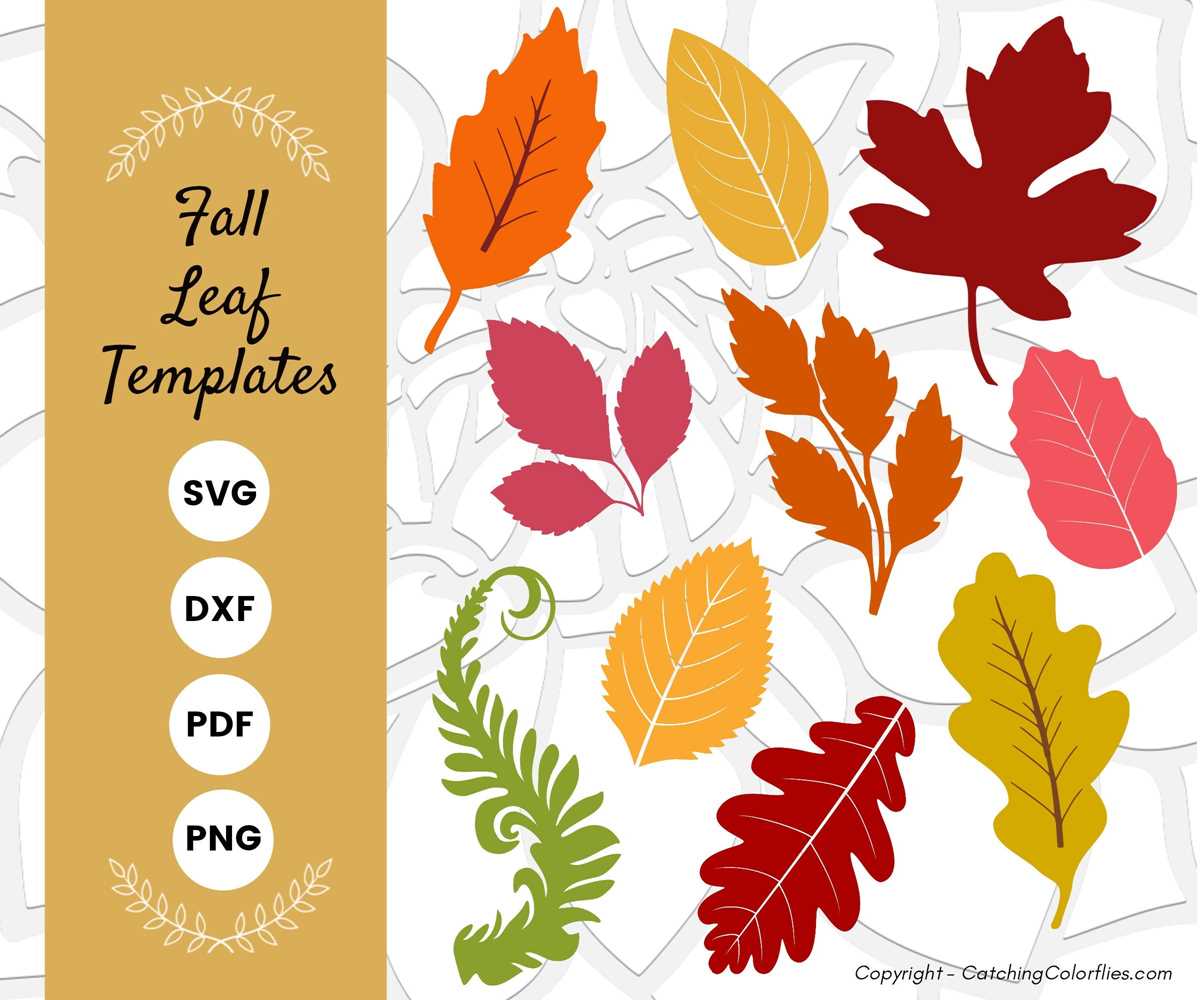
Use a cutout page with closed contours and bridges no thinner than 0.8 mm to keep shapes intact during knife work and repeated handling.
Fix scale at 100 percent and disable auto-resize before output; A4 suits small décor and card projects, while US Letter gives more room for wall motifs and fabric panels.
Pair materials to the surface: 220–250 gsm card holds firm against rollers, thin mylar bends around curved objects, and acetate cleans quickly after acrylic or chalk paint.
Secure the mask with low-tack spray from 25–30 cm, apply color with vertical tapping or light rolling, then lift while pigment remains slightly wet to avoid edge chipping.