Engaging Tasks to Improve Letter E Recognition
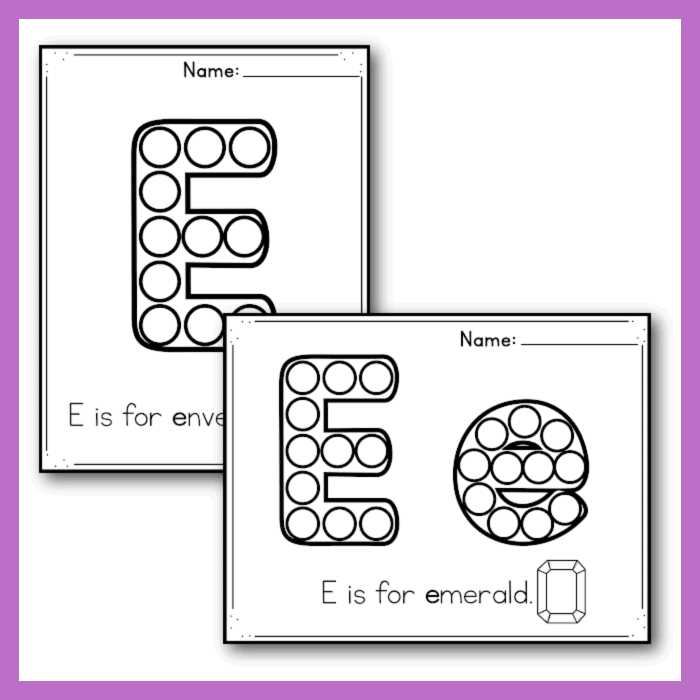
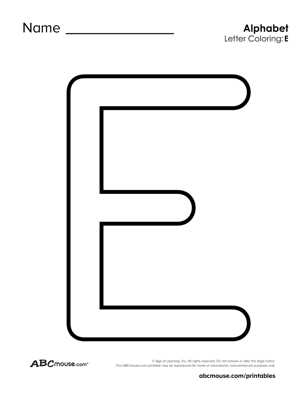
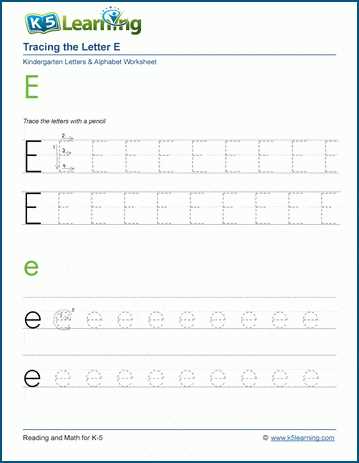
Start with simple tasks to help children recognize the shape and sound of the letter E. Provide a set of tracing exercises where they can follow the outline of the letter to strengthen motor skills. Use large, bold fonts that make it easy for kids to differentiate the form. Once they’ve mastered tracing, encourage them to write the letter independently, both in uppercase and lowercase. This reinforces recognition and improves writing confidence.
Activities to Connect E with Real-Life Objects
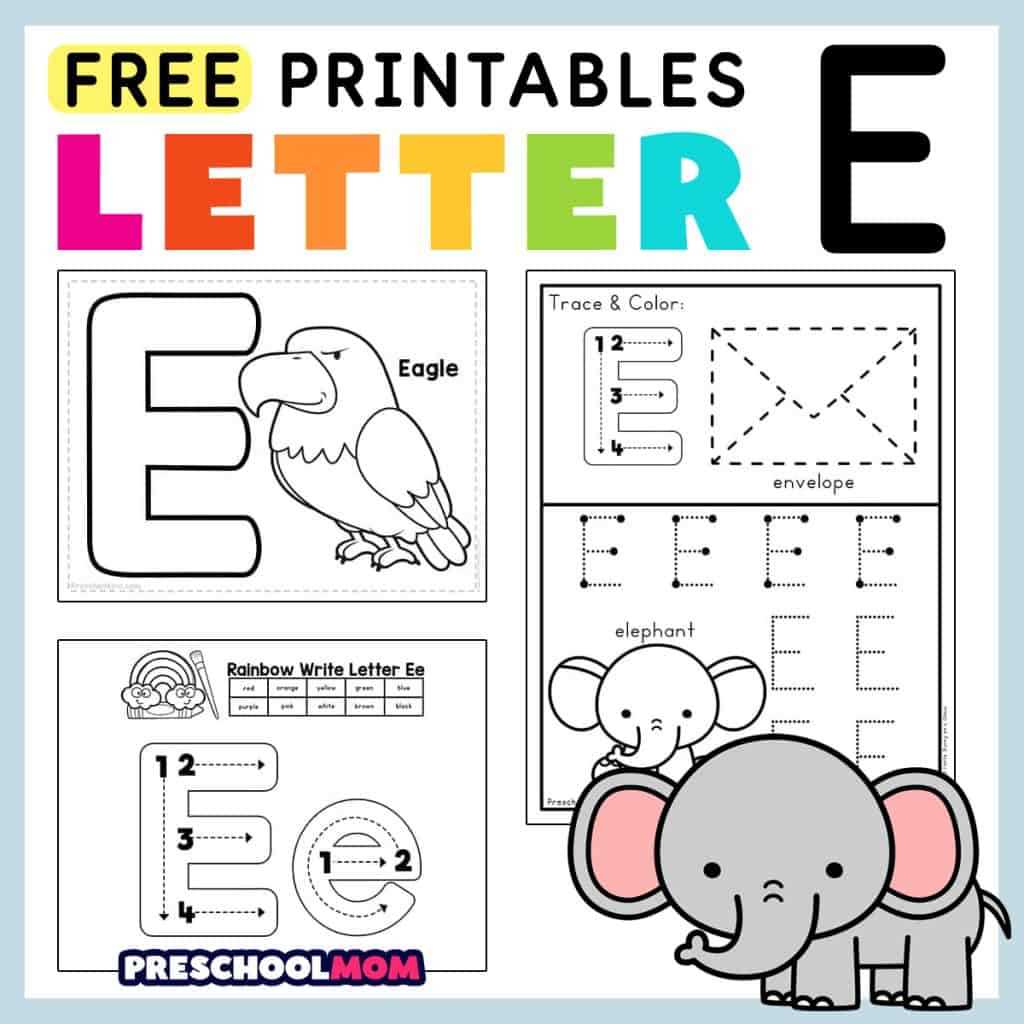
- Egg – Draw or paste pictures of eggs and let the child color them while practicing writing the letter E.
- Elephant – Have them trace an elephant shape while identifying the E sound at the start of the word.
- Envelope – Use pictures of envelopes and encourage children to connect the letter E to everyday items.
By incorporating real-world objects, you make learning fun and relatable. Children start associating the letter E with something they see around them daily, reinforcing their understanding.
Creative Ways to Practice Writing the Letter E
To keep the practice engaging, combine writing with other sensory activities. Try using sandpaper or textured sheets to help kids feel the letter while writing. They can trace the letter using their fingers or a crayon. Another creative idea is to use a paintbrush and water to “write” the letter on a chalkboard or dry-erase surface. This gives children a hands-on experience that enhances their connection to the letter.
Games for Letter E Practice
Interactive games can make learning fun. Try a scavenger hunt where kids look for objects starting with the letter E. You can also create a matching game where they match objects like an egg or an elephant to the corresponding letter. These activities allow children to engage physically and mentally with the letter.
By using a combination of writing, recognition, and games, children will not only improve their skills with the letter E but also enjoy the learning process.
Using E Exercises for Skill Development
Focus on creating activities where children can practice both recognition and writing simultaneously. For example, offer exercises that ask kids to trace the form of the character while saying the sound aloud. This multisensory approach reinforces both visual and auditory learning. Provide clear, bold outlines of the symbol to make it easier for young learners to follow. As an added challenge, incorporate word identification, asking them to match items like “elephant” or “egg” with their corresponding symbol.
In addition to basic writing tasks, vary the activities by introducing engaging themes such as drawing or cutting out pictures that start with the target character. By turning practice into an interactive experience, children will associate the shape with everyday objects, solidifying their understanding. Regularly incorporate these exercises to help build both motor skills and cognitive connections between the symbol and its sound.