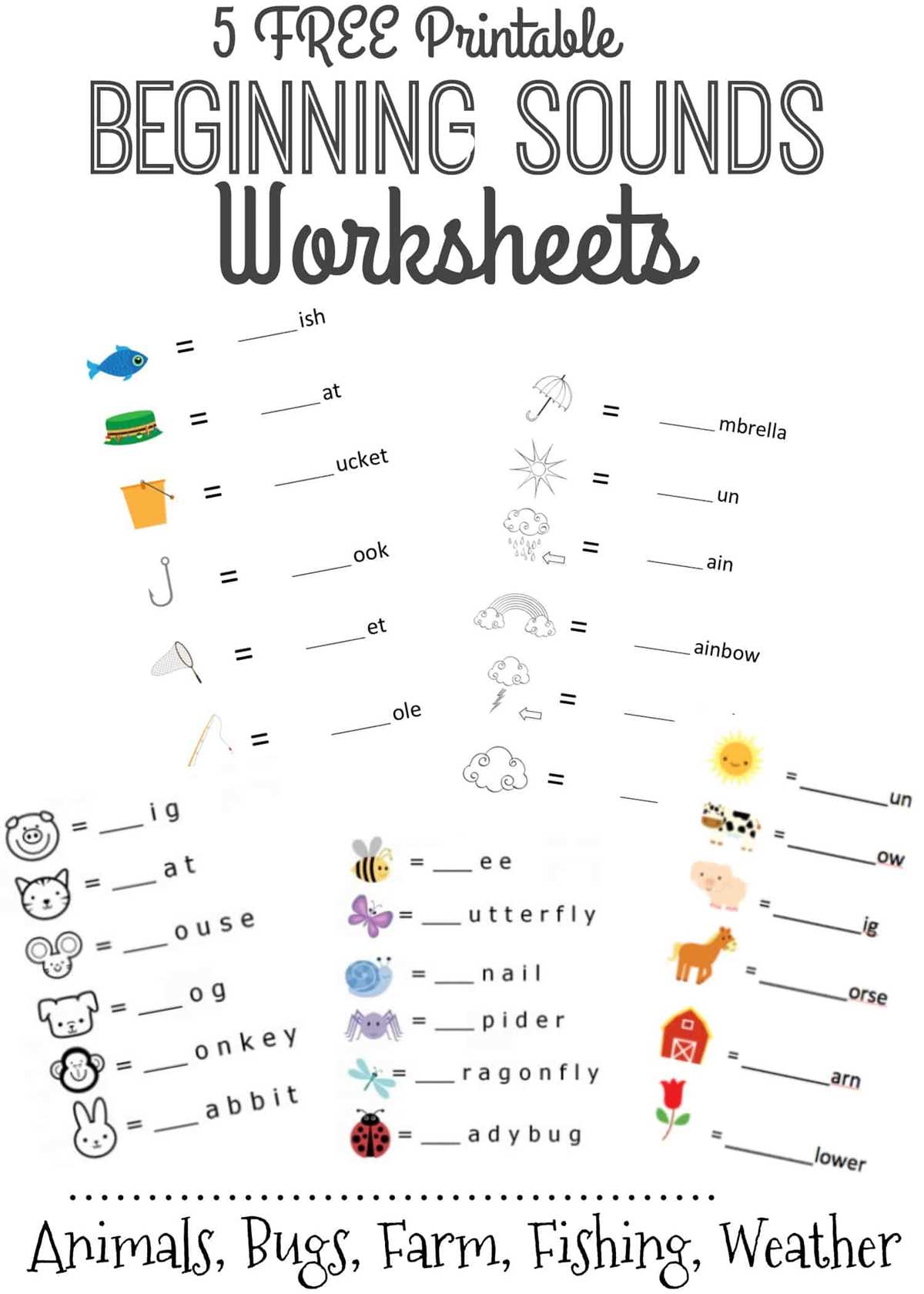
Using visual aids like worksheets can greatly accelerate phonetic awareness in young children. By incorporating matching exercises and recognition tasks, children can start associating specific symbols with their corresponding pronunciations more effectively. You can print activities that focus on pairing letters with images of familiar objects that start with those letters, allowing children to internalize phonetic patterns faster.
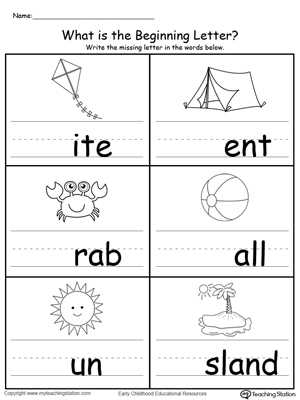
One of the most effective strategies for beginners is to focus on high-frequency consonants and vowels first. Printable activities that feature these letters are key to building a strong foundation. For example, worksheets with short, simple words or isolated sounds allow children to practice without feeling overwhelmed by complex text. Gradually, more intricate combinations can be introduced as they grow confident in their basic understanding.
Consider tailoring these exercises based on the child’s learning pace. Advanced learners can benefit from activities that involve blending sounds, whereas beginners may need to start with recognizing and isolating sounds. This approach helps keep students engaged and challenged without causing frustration. By using materials that are both fun and practical, you’ll support lasting phonetic development that extends beyond the classroom.
Letter Sounds Activities for Young Learners
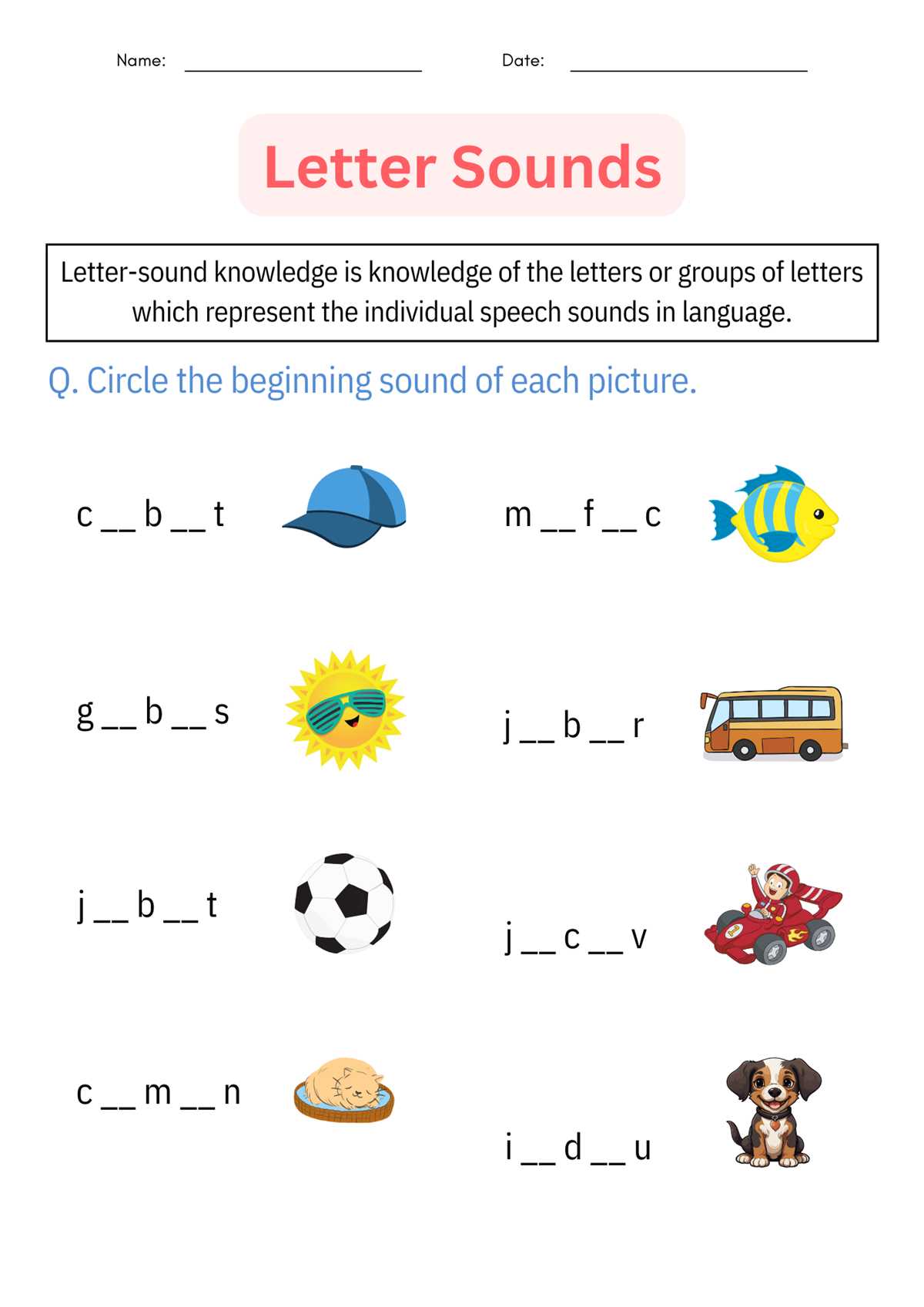
Begin by selecting worksheets that connect letters with familiar images. For instance, include pictures of animals or everyday objects alongside their corresponding phonetic symbols. This method reinforces visual recognition and pronunciation in a natural, engaging way.
Focus on isolated consonants and vowels in the early stages. Simple worksheets with clear visuals and large fonts help children identify and pronounce individual symbols more accurately. Avoid cluttered designs that can distract from the learning process.
Introduce activities that involve matching letters to objects that begin with those sounds. Children can trace or color the images while practicing the letter forms. This multisensory approach strengthens both visual and motor skills, reinforcing learning in a fun way.
To support varying learning speeds, create tiered worksheets. For beginners, keep the exercises simple with one or two letters. As learners progress, introduce worksheets with short words or blends to challenge them further. This approach ensures steady development without overwhelming the student.
Interactive games can complement printed materials. Use printable worksheets as part of a game where children identify or sound out symbols to win points. By combining physical activity with cognitive tasks, you keep children engaged while reinforcing their understanding of letter recognition.
As learners become more confident, incorporate tracing exercises. Tracing reinforces the correct formation of letters, helping children develop both their phonetic skills and fine motor control. Make sure the traceable symbols are large enough for young learners to practice properly.
Consider including visual cues such as color coding to highlight different types of phonetic units, like vowels or consonants. This color association helps children quickly categorize and remember the shapes and sounds of each symbol.
Finally, use printable worksheets that incorporate real-life scenarios, like grocery lists or shopping carts, to make the learning process more practical. By relating symbols to things children see and use every day, they are more likely to internalize and apply what they’ve learned outside the classroom.
How to Use Letter Sounds Printables for Early Literacy Development
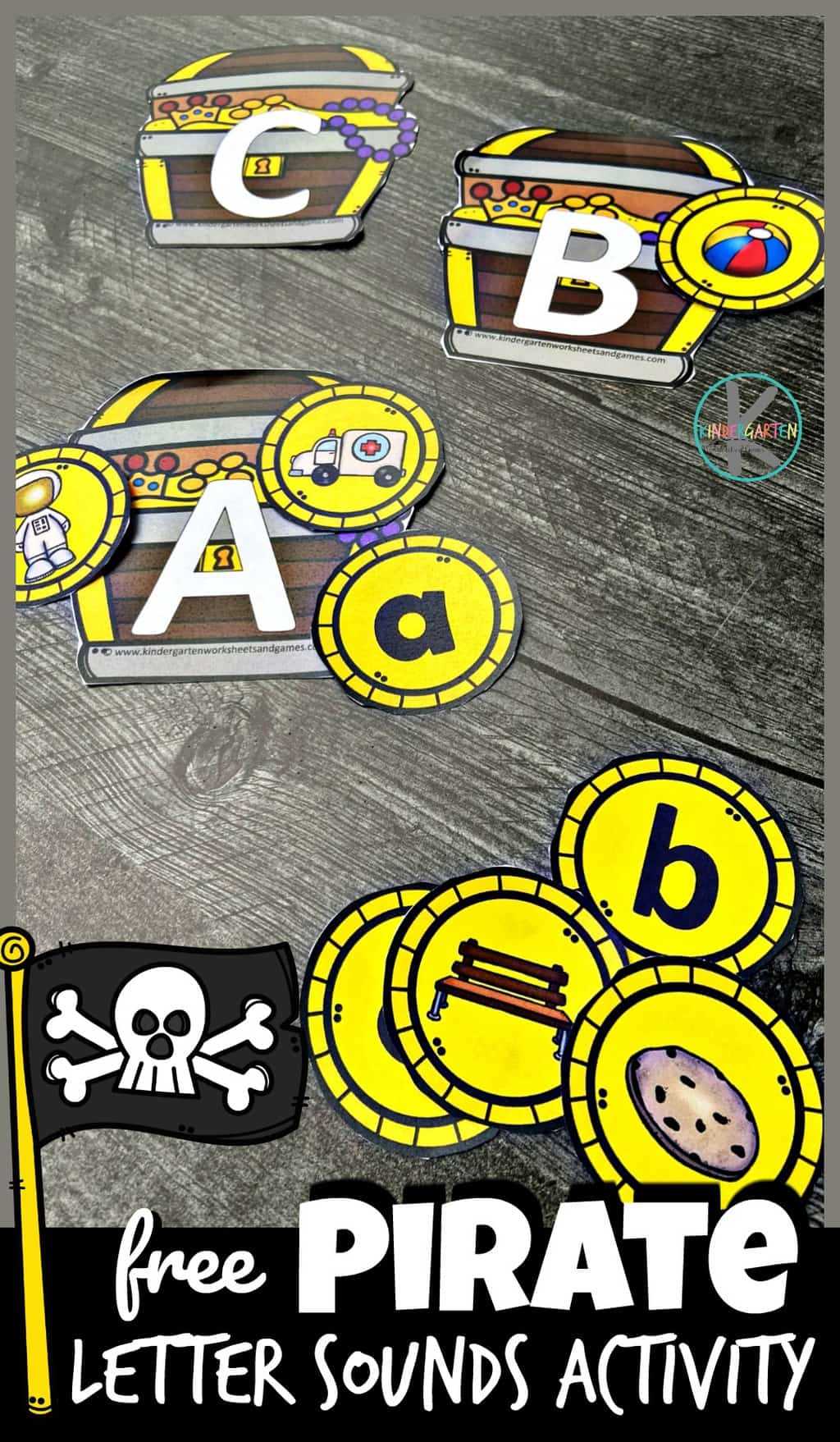
Begin with activities that focus on connecting symbols to their sounds. For younger learners, use simple matching worksheets where each symbol is paired with an image representing an object that starts with that sound. This helps children visually associate the shape of the symbol with its pronunciation, reinforcing phonetic skills in a meaningful context.
Once the basic symbols are familiar, move on to more complex tasks, such as tracing and blending exercises. These activities encourage children to actively form and connect sounds, strengthening their reading and writing abilities. Gradually introduce longer sequences of letters or words, ensuring that learners progress at their own pace without becoming overwhelmed.