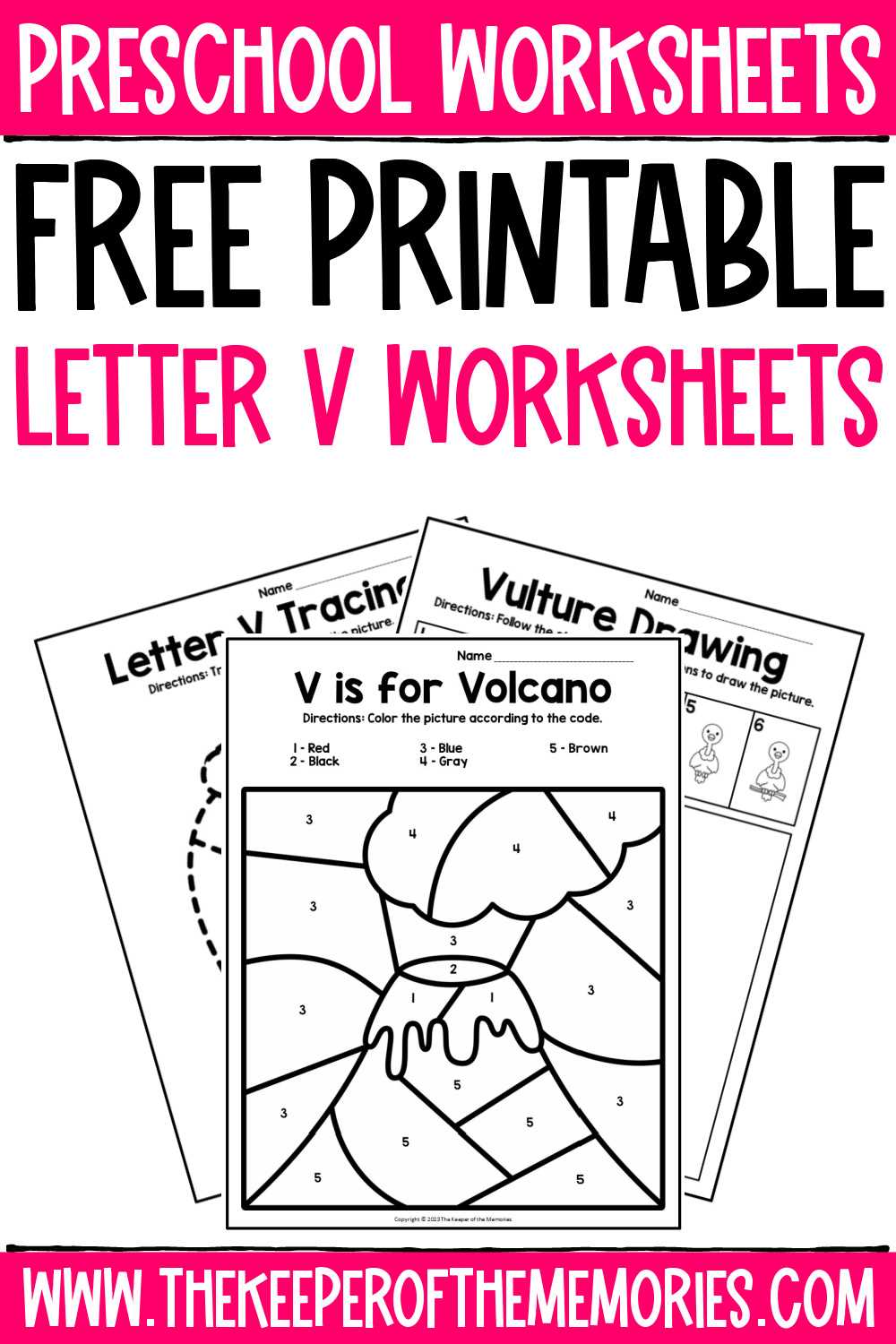
Start teaching your child to recognize and write the letter “V” with engaging exercises. Print out the letter outlines and provide activities that allow children to trace, color, and identify objects that begin with “V”. These exercises are a great way to make learning fun and interactive.
Choose printable sheets that include both upper and lowercase versions of the letter. This approach will help kids become familiar with both forms and improve their writing skills. You can also incorporate activities where children match pictures to words starting with the letter “V,” like “van” or “vase,” making the experience more meaningful.
For added creativity, ask children to draw their own pictures of things that start with “V”. This boosts their vocabulary while reinforcing letter recognition. Incorporating arts and crafts into the learning process helps maintain their interest and makes learning feel like a fun project.
Letter V Learning Materials for Kids
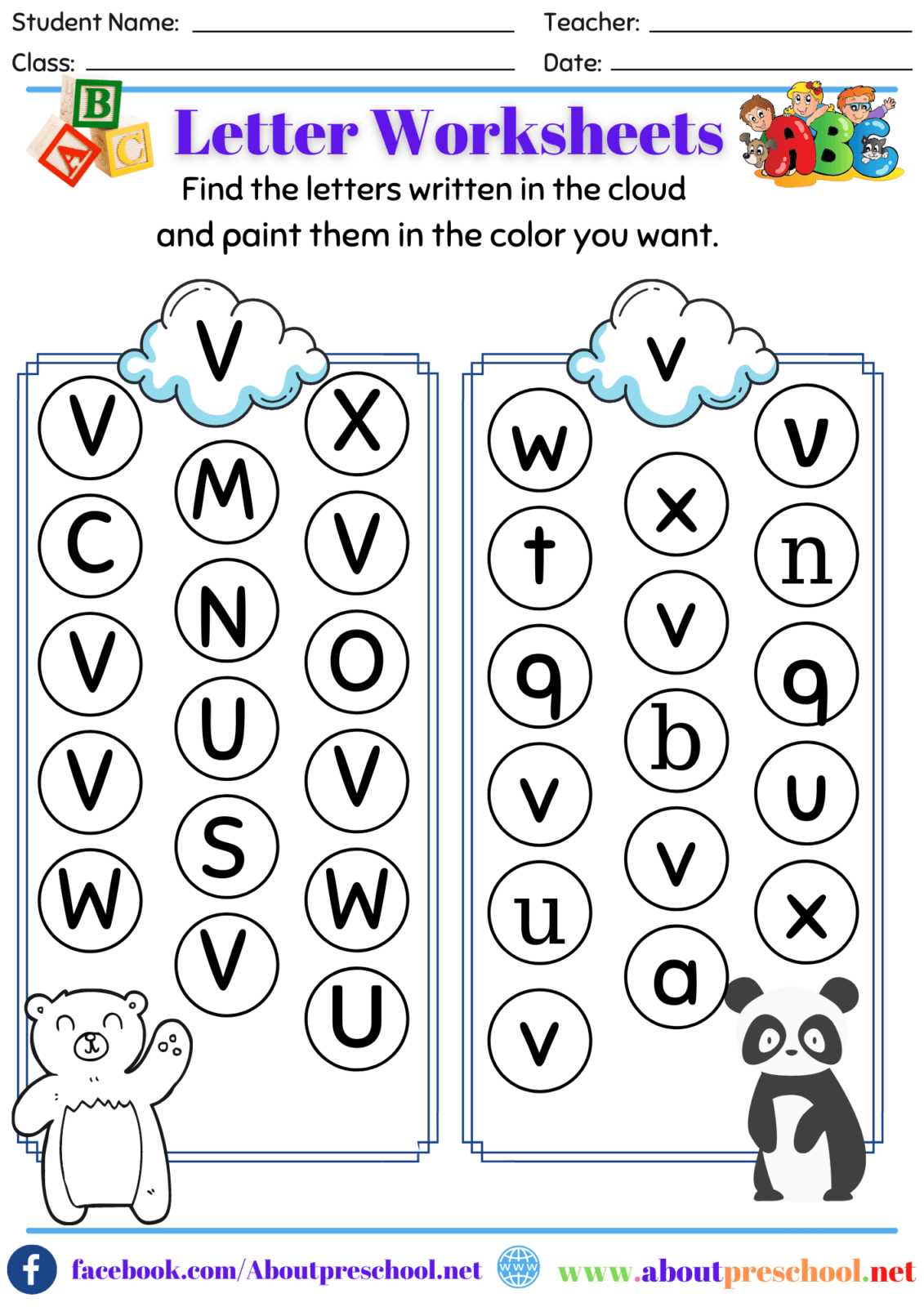
To reinforce your child’s understanding of the letter “V,” print simple tracing sheets where they can practice writing both the uppercase and lowercase versions. These sheets should include dotted lines for tracing and plenty of space for independent writing. Incorporate fun elements, such as words like “violin” or “vulture,” to build vocabulary alongside letter recognition.
Pair these tracing exercises with visual aids that highlight objects starting with the letter “V.” Using flashcards or drawing activities where kids can match pictures to the letter will make the learning process more dynamic. This approach not only improves their writing skills but also supports the development of phonetic awareness and memory recall.
How to Use Letter V Worksheets for Early Learning
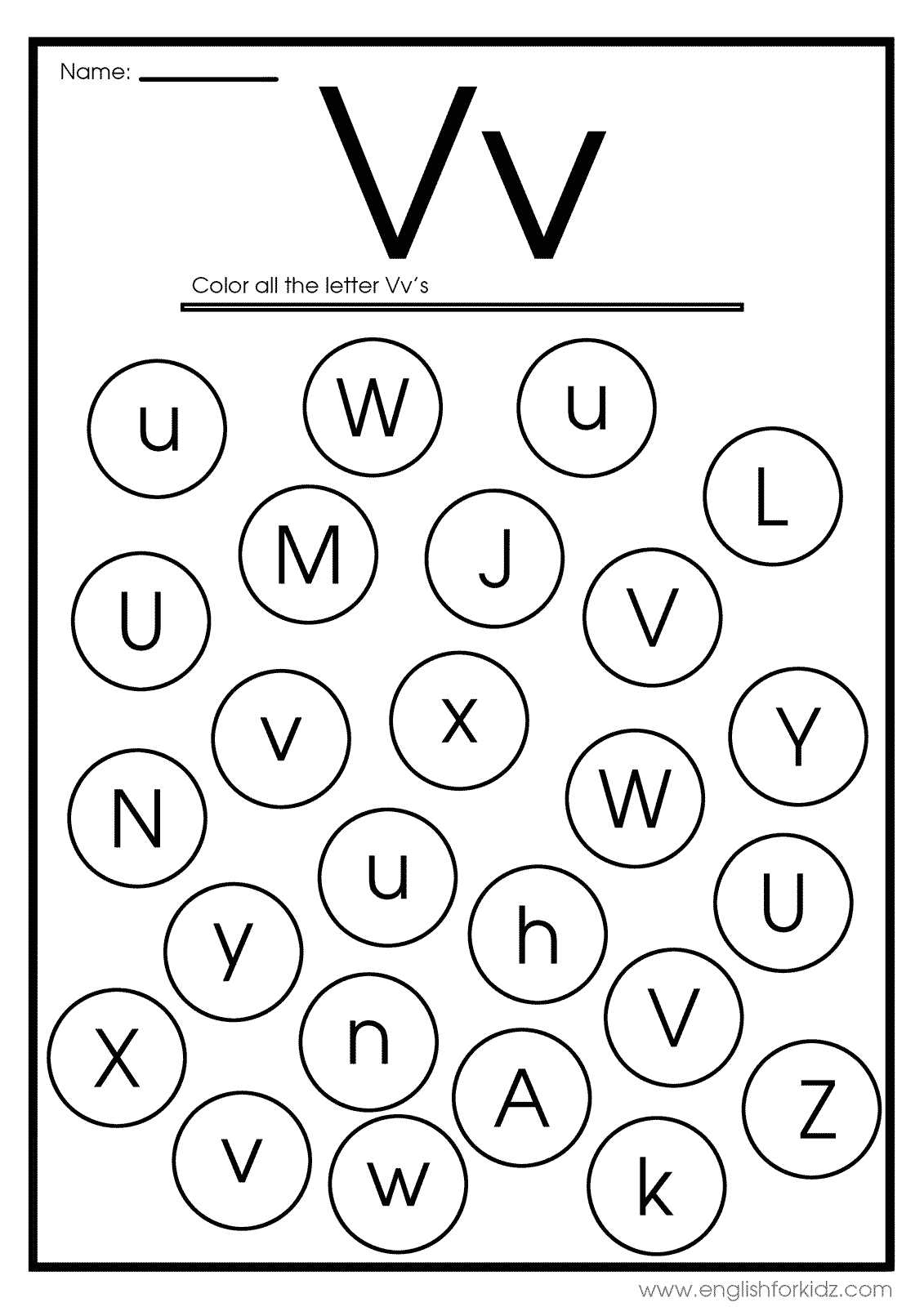
Start by printing exercises that encourage kids to trace both uppercase and lowercase forms. Traceable letters should be outlined clearly, with dotted lines to guide children as they practice proper writing. Repetition will help them develop muscle memory, making it easier to form the letter on their own.
Incorporate activities where children match pictures of objects starting with “V” to the letter itself. Examples include a vase, van, or violin. By associating the letter with tangible items, kids can better understand the connection between written and spoken language.
Once tracing is mastered, move on to independent writing. Provide space where children can write the letter several times without lines, encouraging them to remember the shape of “V” from memory. This helps solidify the concept of the letter in their mind.
Pair these exercises with coloring activities, where children can color pictures of items starting with “V.” This approach makes the learning process fun while reinforcing the recognition of the letter in different contexts. You can even add extra tasks, like asking them to color the objects that start with “V” in the worksheet.
Incorporate phonics into the process by asking children to say the words aloud as they trace the letter. This builds phonemic awareness, a crucial early literacy skill. For example, say “vase” or “vulture” as they practice writing, helping to connect the sound of the letter to its visual representation.
For a more interactive experience, use flashcards alongside the activities. Show a flashcard of an object starting with the letter “V” and have the child identify both the object and the letter. You can also ask them to say the word and repeat it as they write it on their own.
- Encourage children to say the word aloud as they write the letter.
- Have kids repeat writing the letter without lines to build confidence.
- Combine tracing with object recognition for visual learning.
Lastly, reward effort. Positive reinforcement, like stickers or praise, can motivate young learners to continue practicing. Consistency is key, so integrate these exercises into their daily routine for gradual improvement.