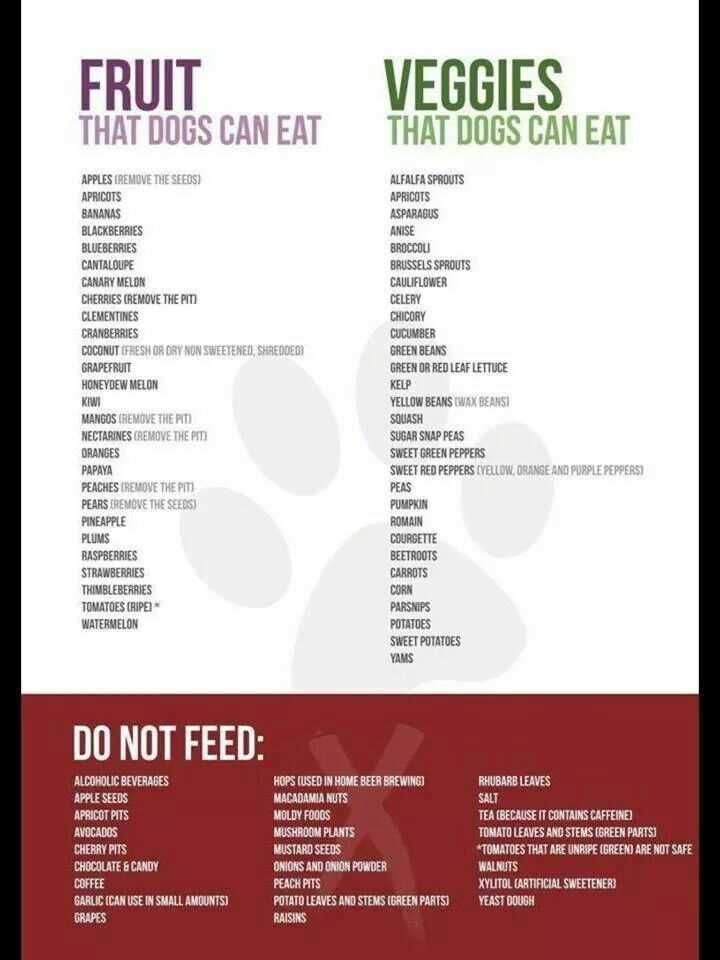
Print a one-page safety chart and place it on your refrigerator at eye level so every family member can check it before sharing table scraps with a pet. Use bold headings, clear bullet points, and large font (at least 14 pt) to ensure quick reading during busy moments.
Common Household Ingredients That Harm Canines
- Chocolate and cocoa powder – contain theobromine; dark varieties pose higher risk and may trigger vomiting, tremors, or seizures.
- Grapes and raisins – linked to acute kidney failure; reactions vary and small amounts may cause severe symptoms.
- Onions, garlic, leeks, chives – damage red blood cells and can lead to anemia after repeated exposure.
- Xylitol – found in sugar-free gum and baked goods; causes rapid insulin release, low blood sugar, and possible liver failure.
- Alcohol and raw yeast dough – may result in bloating, disorientation, and respiratory issues.
- Macadamia nuts – associated with weakness, overheating, and joint pain.
- Cooked bones – splinter easily and may puncture the digestive tract.
How to Format and Use a Ready-to-Print Safety Sheet
Create sections by category such as sweets, fruits, vegetables, pantry products, and non-food household items. Add a short symptom column describing warning signs like diarrhea, lethargy, rapid heart rate, or pale gums. Keep the document in PDF format with black text on a white background for clear output on standard A4 or Letter paper.
Placement and Maintenance Tips
- Attach one copy near the kitchen counter and another inside a pantry door.
- Share the file with pet sitters and visitors before gatherings.
- Review the sheet every six months and update it with new veterinary guidance.
Store treats in sealed containers above counter height and instruct children to ask an adult before offering snacks. A visible reference sheet reduces accidental exposure and supports safer feeding habits at home.
List of Foods Dogs Cannot Eat Printable
Download a one-page safety chart in PDF format and post it near your kitchen workspace so every household member can quickly verify which products are unsafe for a canine companion. Use clear section headings and a minimum 14 pt font size to make the reference readable from a short distance.
Include high-risk items such as chocolate, cocoa powder, grapes, raisins, onions, garlic, macadamia nuts, alcohol, and products containing xylitol. Add short notes beside each entry describing typical reactions like vomiting, tremors, low blood sugar, kidney failure, or anemia to connect each ingredient with a specific health threat.
Organize the sheet by categories such as sweets, fruits, vegetables, baked goods, and pantry staples to reduce scanning time during meal preparation.
Leave space for emergency contact numbers, including your local veterinary clinic and a poison control hotline, so the document functions as both a prevention guide and a rapid response reference. Print on standard A4 or US Letter paper with high-contrast black text to maintain clarity.
Replace the page every six to twelve months and review it before holidays or gatherings when table scraps are more likely to be shared with pets.