Use a thermometer to check internal temperatures to ensure perfect results every time you cook. For tender, juicy outcomes, follow these temperature guidelines to avoid undercooking or overcooking your dishes.
How to Use Temperature Guidelines for Cooking Success
Before cooking, know the ideal temperature for your cut. Insert the thermometer into the thickest part of the item without touching bone or fat for an accurate reading. After cooking, allow the food to rest for a few minutes to ensure the temperature continues to rise.
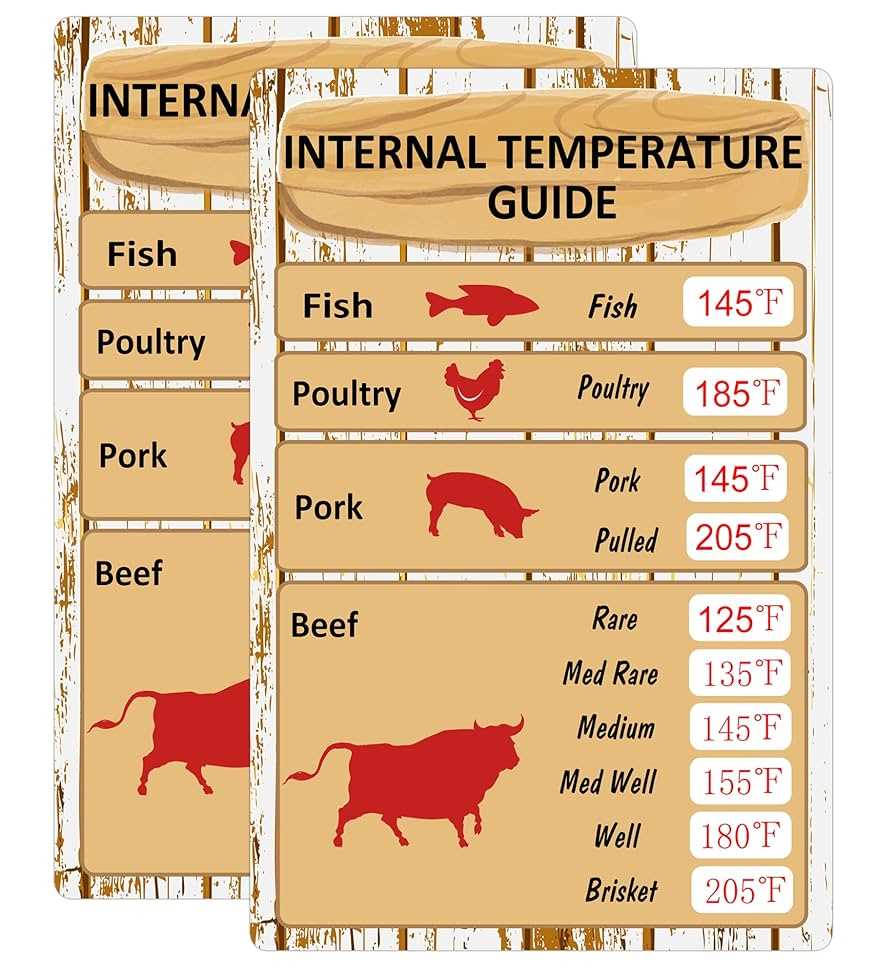
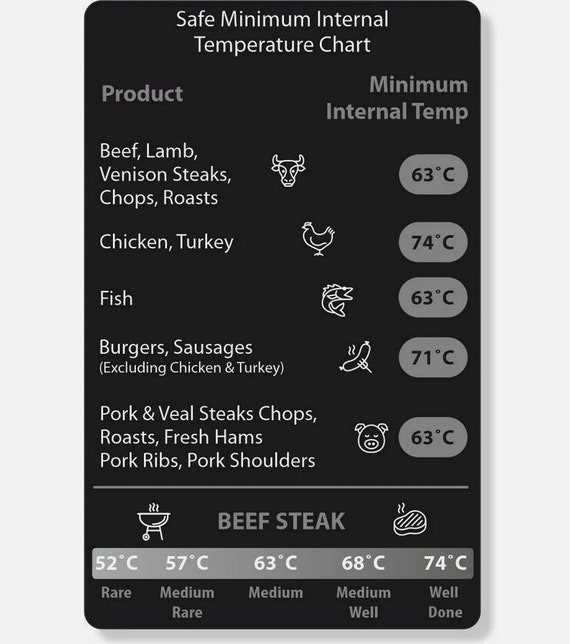
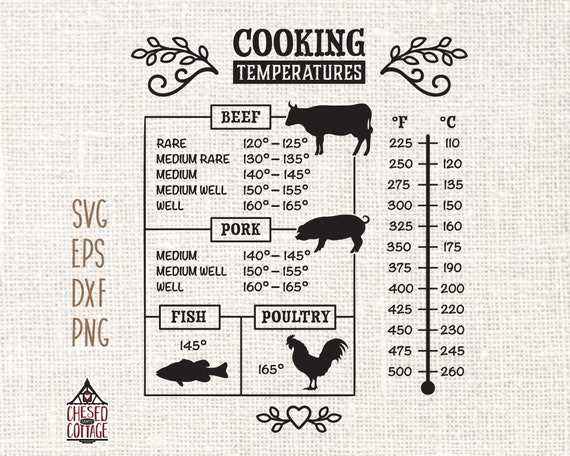
- For Poultry: Aim for 165°F (74°C) to ensure the meat is fully cooked and safe to eat.
- For Beef (Medium Rare): The ideal temperature is 130°F-135°F (54°C-57°C). For Medium, go for 140°F-145°F (60°C-63°C).
- For Pork: A temperature of 145°F (63°C) ensures a tender, moist result.
- For Lamb: Similar to beef, 130°F-135°F (54°C-57°C) is best for a rare texture, while 140°F-145°F (60°C-63°C) provides a medium finish.
Why Precision Matters for Taste and Safety
Following exact temperatures helps you preserve flavor, texture, and safety. Cooking at the wrong temperature can lead to dry, overdone dishes or undercooked food that could pose health risks. A thermometer eliminates guesswork and guarantees that your dishes turn out as expected.
For consistent results, use this method for every meal. Different cuts require different temperatures, so always check each item individually. Once you know your target ranges, you can confidently create delicious meals with perfect texture and flavor every time.
Perfect Cooking Results with Accurate Internal Temperatures
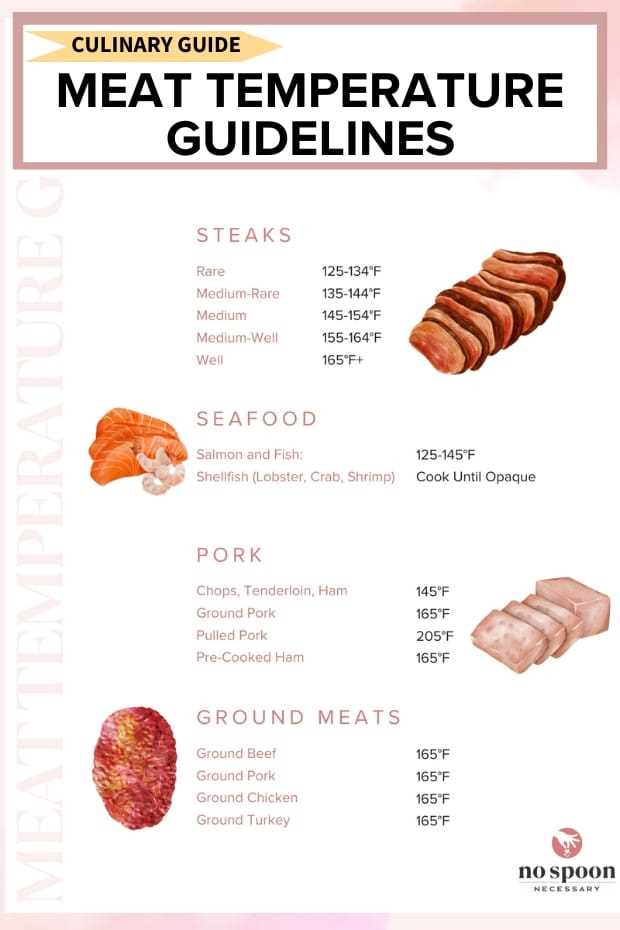
For precise results every time, use a thermometer to check the internal heat of your food. Different cuts of protein require specific temperatures to reach the desired doneness. Make sure to insert the probe into the thickest part of the cut, avoiding bones and fat.
For poultry, aim for 165°F (74°C) to ensure thorough cooking. This guarantees that all parts of the bird are safe to eat while maintaining moisture. If you prefer a more tender outcome, consider resting the bird for a few minutes before cutting to allow the juices to redistribute.
For red cuts like beef or lamb, follow the desired level of doneness. For medium-rare beef, aim for 130°F-135°F (54°C-57°C), while medium should be around 140°F-145°F (60°C-63°C). Lamb can be cooked similarly, with rare cuts needing 130°F (54°C) and medium cuts at 140°F-145°F (60°C-63°C). This ensures the meat is tender and juicy, with the right level of pinkness.
Ground items like beef, pork, or turkey should reach 160°F (71°C) for safe consumption. This ensures that harmful bacteria are eliminated while keeping the texture moist. For sausages, make sure the internal heat also reaches 160°F (71°C) to avoid any risk of undercooking.
For pork cuts like chops and loin, 145°F (63°C) is the perfect target. It ensures that the meat is cooked but remains juicy, not dry. This is especially important for lean cuts that can easily become overcooked.
Lastly, keep in mind that the internal temperature will continue to rise slightly after removing food from the heat source. Allow the cooked item to rest for several minutes to let the temperature stabilize and ensure that all juices stay locked in for the best flavor and texture.