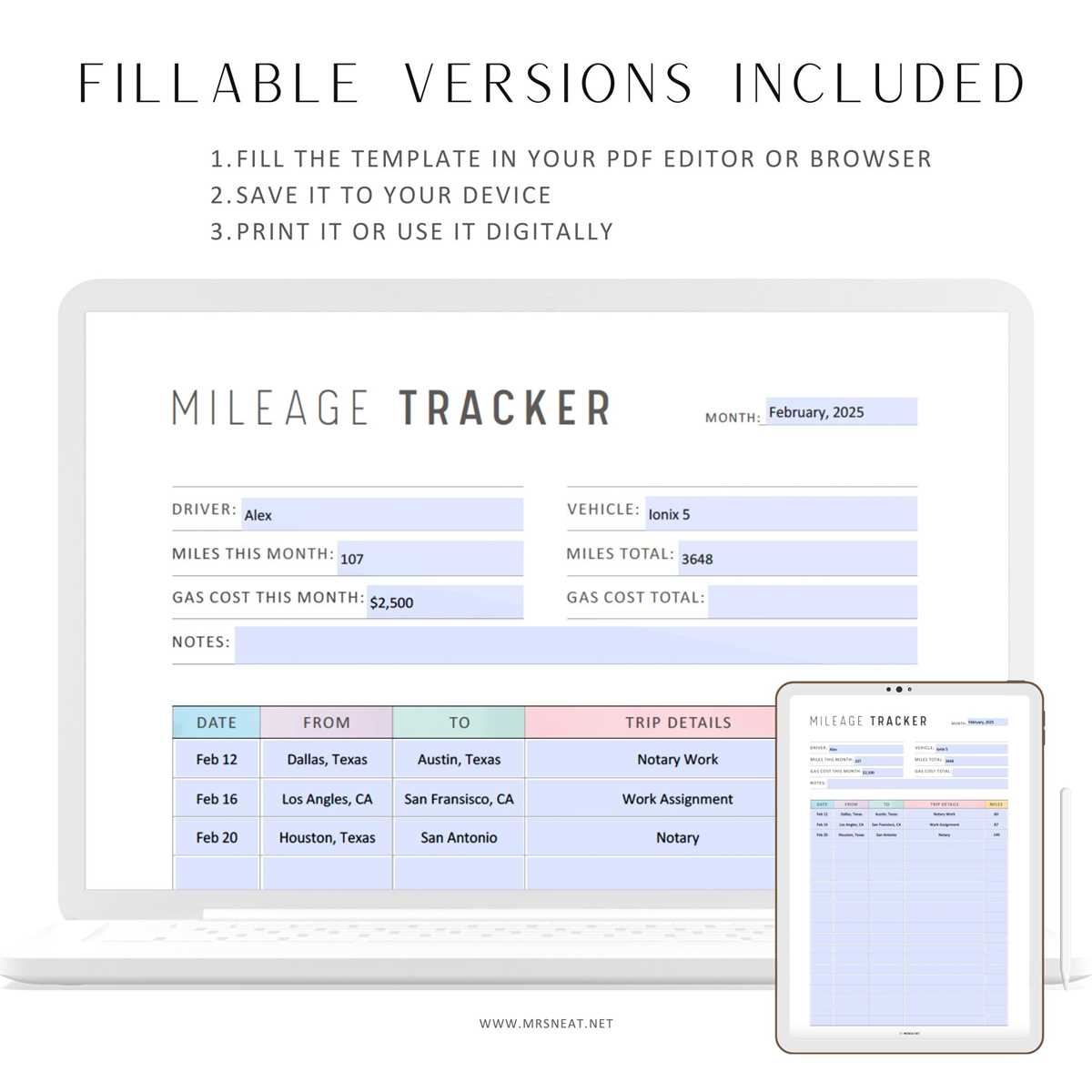
For accurate tracking of your car usage, it’s crucial to document both your starting and ending points. Whether you need to report for business expenses, taxes, or personal records, maintaining a systematic log is key to efficiency. A well-organized log sheet can help you keep all the details in one place, reducing the chances of errors when you need them most.
Best Practices for Recording Distance Driven
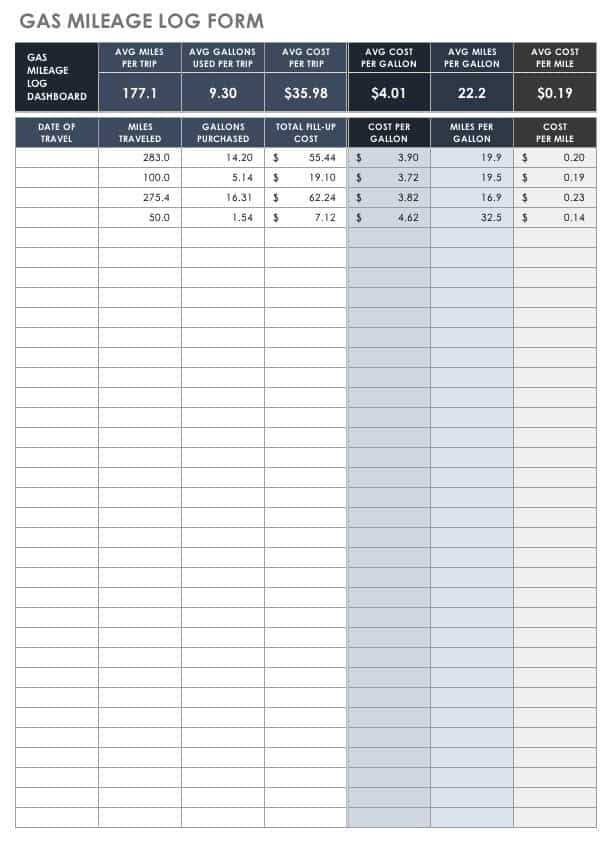
Start by noting the date, time, and purpose of each trip. This can be done on a simple piece of paper, spreadsheet, or using a digital system. For each trip, also record the starting and ending odometer readings, as well as the distance covered. You can calculate the total miles by subtracting the starting reading from the final one.
If you’re tracking for tax purposes or reimbursements, also include the location and reason for the trip. This extra detail ensures you have all necessary information if you need to justify your mileage later. Make sure to update your log regularly and keep receipts or documentation of any fuel purchases if required.
How to Choose the Right Tool for Monitoring Vehicle Usage
When selecting a tool for logging your trips, it’s best to go for a format that suits your routine. If you prefer digital systems, there are mobile apps that automatically record your routes and calculate the distance for you. Alternatively, if you’re comfortable with paper, printed sheets work just as well. Many online templates are available for download to make this process quicker and more streamlined.
Look for options that allow customization to fit your specific needs. For instance, some systems offer automatic syncing with GPS or integrate with accounting software to generate reports easily. Choosing a solution that fits into your workflow can save you significant time and effort in the long run.
How to Use a Simple Log for Vehicle Travel
Start by documenting the date, beginning and ending odometer readings, and purpose of each trip. This will give you an accurate record of the distance covered, which is useful for both business and personal use. Record all the details consistently to avoid missing crucial data later.
For each entry, make sure to note any additional expenses, such as fuel purchases. This will not only help track the overall cost of each trip but also assist if you need to submit this information for reimbursements or tax deductions. Keep your entries organized, and ensure they are easy to read for future reference.
If you are tracking trips for reimbursement purposes, it’s important to include detailed explanations for each travel event. Whether it’s a client visit or delivery, having clear descriptions will prevent confusion when validating your records later on. Your entries should be as specific as possible to meet organizational or tax standards.
Using a digital method, such as a spreadsheet or an app, can speed up the process and eliminate manual errors. However, printed templates are equally effective for those who prefer the simplicity of pen and paper. Many free templates online allow you to quickly fill in the necessary fields without requiring extensive technical knowledge.
Customize your log by adding any relevant categories such as trip purpose, total cost, or starting/ending points. This flexibility helps ensure that your log matches your specific tracking needs. A tailored record is a practical way to manage vehicle use over time and see patterns in your travel habits.
If you frequently travel for work, consider setting up a weekly or monthly summary sheet. This sheet can consolidate all your trips into one entry, allowing for easier reporting. This is especially useful if you need to submit a report at the end of a month or tax year, saving you from having to comb through individual entries.
Lastly, always keep your record up to date. The more frequently you log trips, the more accurate your data will be. Whether you choose a manual log or digital system, consistency is key to maintaining a reliable and effective record for your vehicle use.