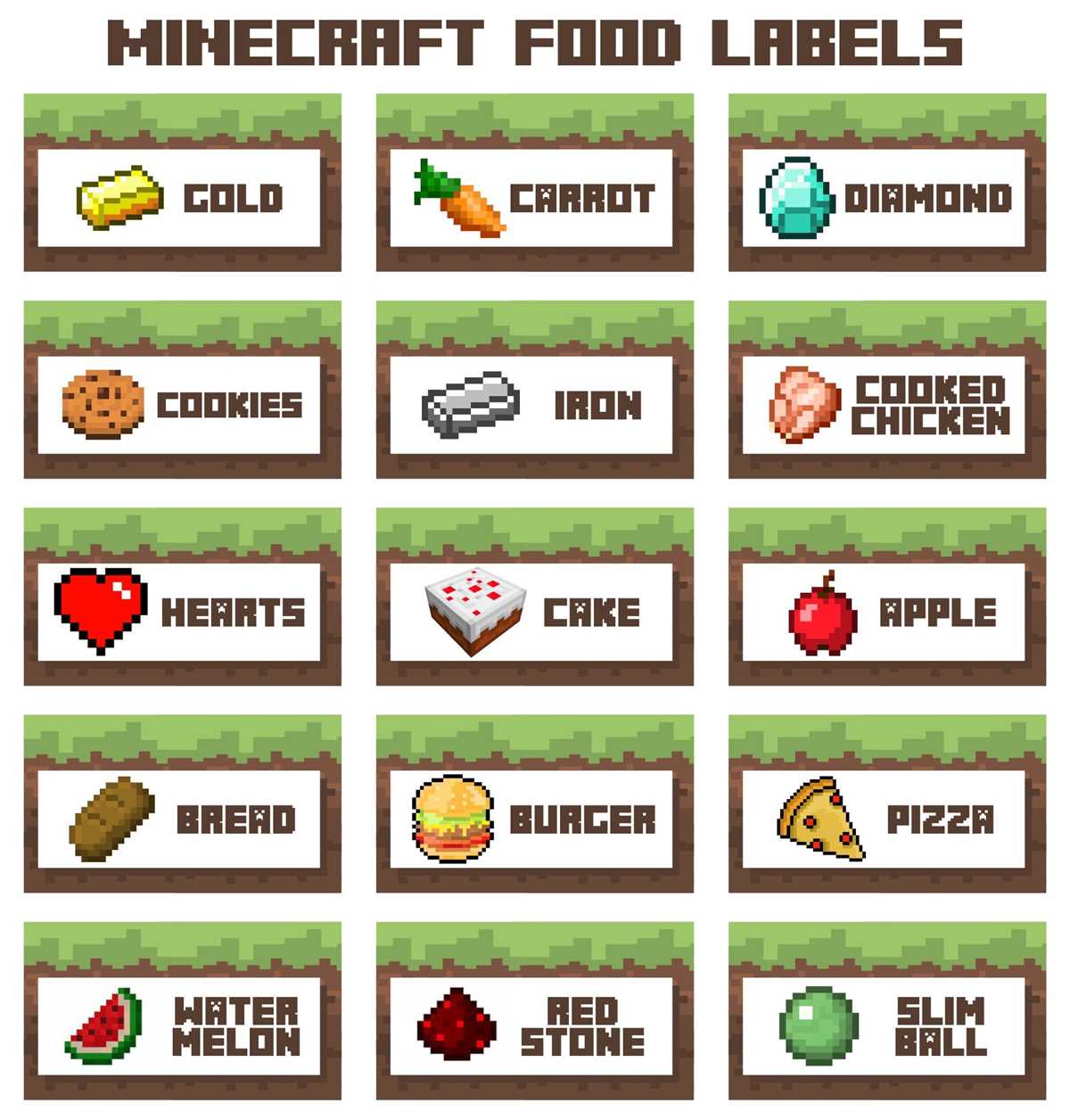
Use recipe sheets laid out on a 3×3 grid to check item builds without opening menus, keeping focus on exploration and construction.
Core Item Recipes and Grid Reading
Place materials by exact slot position, since orientation matters for tools, armor, and mechanisms. A pick tool needs three ingots across the top row with sticks centered below, while a chest uses eight planks around an empty center.
- Tools follow mirrored layouts for left or right placement
- Armor pieces fill the grid edges with a hollow center
- Redstone parts rely on straight lines and corners
Material Substitutions
Wood types swap freely in many builds, but stone, iron, gold, and diamond cannot replace one another for tool tiers.
Using Sheets for Learning and Play
Keep pages near the keyboard or console for quick checks during survival runs. In classrooms or clubs, laminated copies allow dry-erase notes for material counts.
- Mark frequently used builds with a star
- Group pages by tools, storage, and mechanisms
- Update sheets after version changes
Offline Planning
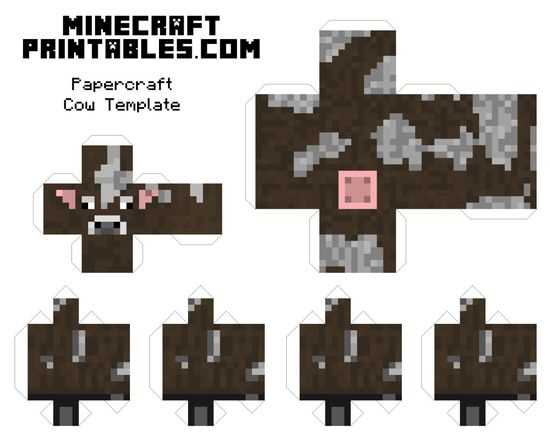
Sketch resource lists beside each recipe to plan mining trips and avoid repeat journeys.
Block Game Recipe Reference Sheets
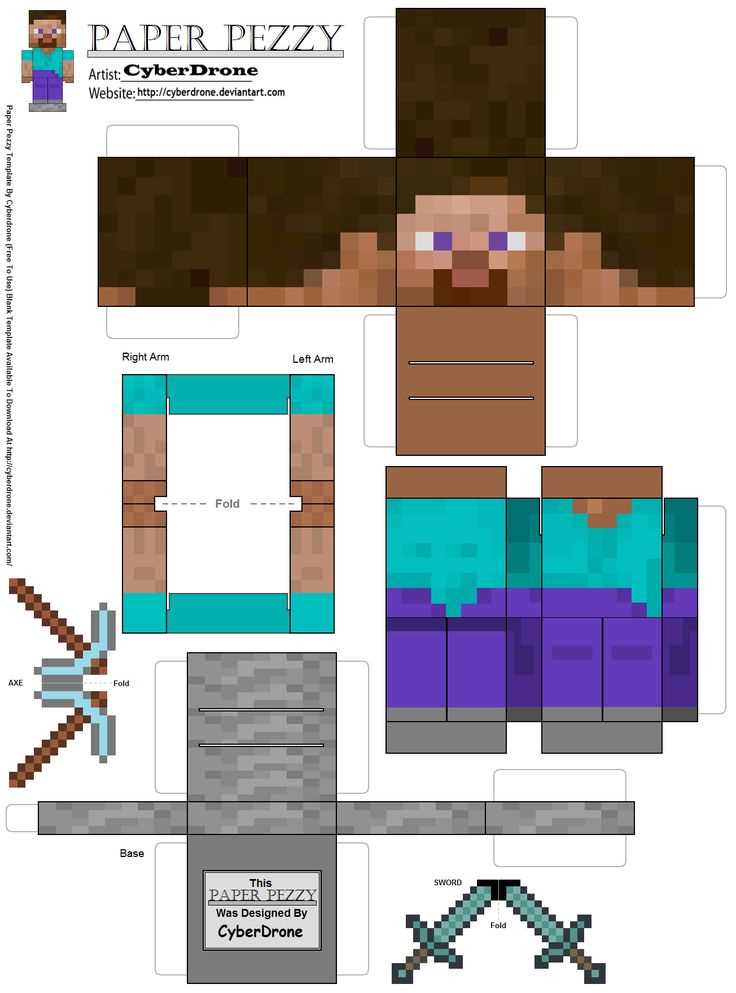
Keep recipe reference sheets beside your screen to check 3×3 grid layouts without opening menus, which helps maintain momentum during mining and building sessions.
Use pages that show exact slot positions, since orientation changes results for tools, armor, and storage items; mirrored layouts matter for axes, while hollow centers define boxes.
Group sheets by category such as tools, transport, lighting, and mechanisms to reduce page flipping during survival play.
Mark material counts next to each diagram, for example eight planks for a container or six ingots for a rail set, to plan trips underground with fewer returns.
Laminated copies support dry-erase notes for temporary goals, like tracking how many sticks or redstone dust remain.
Update pages after version changes that add blocks or adjust recipes, keeping diagrams aligned with current rules.
Store frequently used layouts at the front of a binder so common builds stay within arm’s reach during long sessions.