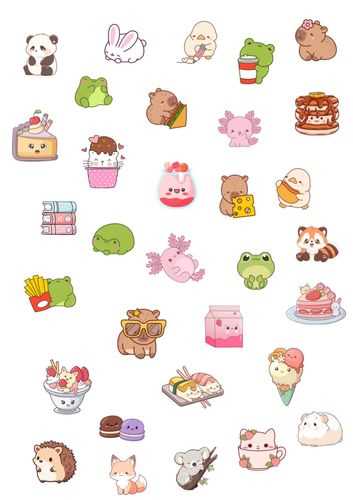
For a personal touch in your planner or a creative addition to your crafts, designing your own decorative labels and icons is a rewarding task. Choose high-quality materials for printing, such as adhesive-backed paper or specialty cardstock, ensuring a crisp, clean design when you print them out.
Tip: Use a cutting machine, like a Cricut or Silhouette, for perfect shapes and edges, or you can cut by hand for a more customized feel. Templates are available online or you can design your own using software like Adobe Illustrator or free alternatives like Canva.
For durability, opt for printable options with water-resistant finishes or laminate your printed items. This will keep them looking fresh even through daily wear, whether they are adorning a notebook, gift, or any personal project.
Pro Tip: Adjust your print settings to match the material type you’re using to avoid smudging or poor print quality. Ensure the ink is fully dry before handling or applying your new creations.
HTML
Creative Ways to Design Compact Label Sheets
Use your home printer and a high-quality adhesive paper for crafting compact designs that can be used as labels or decorative accents. Consider opting for adhesive-backed sheets that are easy to cut into various shapes. This allows you to make multiple designs on one sheet, maximizing space and saving time. Create small artwork or symbols that can be placed on notebooks, jars, or phone cases.
For printing, it’s essential to adjust your printer settings to fit the design size. Most printers allow custom page sizes–adjust this according to your design requirements. A typical 8.5×11-inch sheet can be divided into several smaller segments, making sure each one aligns perfectly to avoid overlapping. Utilize design software to create a grid layout that will ensure uniformity.
Incorporating a variety of textures can enhance the look of each cut-out piece. Experiment with gloss, matte, or transparent finishes to suit different projects. Glossy finishes work well for creating shiny, eye-catching designs, while matte can be more subtle and sophisticated for a more professional look.
Once printed, use a sharp blade or a cutting tool to trim each piece carefully. Precise cuts ensure that the designs look neat and can be easily peeled from their backing. Invest in a paper trimmer to ensure straight edges and avoid jagged cuts that might compromise the quality of the final result.
Lastly, be mindful of the ink type. Laser printers tend to offer better durability for adhesive designs, as the toner is fused into the paper. Inkjet printers can work too but might require additional care, especially if the design is exposed to moisture. Keep your designs away from excessive heat or water to preserve the quality and longevity of your printed sheets.
Choosing the Right Paper for Printing Small Designs
For the best results, choose paper that balances texture, weight, and finish. Opt for smooth, coated options for designs that demand sharp lines and clear details. Glossy finishes offer high color saturation, making them ideal for vibrant designs, while matte finishes lend a more subdued, refined look for subtle artwork.
Paper weight is another factor to consider. Light to medium-weight sheets (between 180-220 gsm) work well for smaller graphics, providing durability without being too rigid. Heavier paper can sometimes feel bulky, while lighter options may not hold up to wear and tear as effectively. Consider a slightly heavier option for products that need extra durability, like labels or items that will be frequently handled.
For projects requiring flexibility, consider using paper with a semi-gloss or satin finish. These provide a balance between shine and softness, offering a premium feel without the glare of full gloss. This is especially effective when the item is meant to be handled or written on, as it reduces unwanted reflections.
If you plan to use an inkjet printer, select paper specifically designed for ink absorption. Inkjet-compatible papers are optimized to prevent smudging and ink bleed, which can ruin sharp designs. Brands often offer papers labeled as “inkjet friendly” or “high-quality photo paper,” which are the best for precision printing.
Consider a self-adhesive option for designs intended to stick to surfaces. Self-adhesive papers, such as those used for labels or custom decals, are available in various finishes, including glossy, matte, and transparent. These are designed to work with both laser and inkjet printers, ensuring clean cuts and professional appearance after printing.
Test different types before committing to large batches. Small sample sheets allow you to check how the design reacts with your specific printer. This trial and error process ensures the paper you choose delivers the desired color accuracy, texture, and durability for your end product.