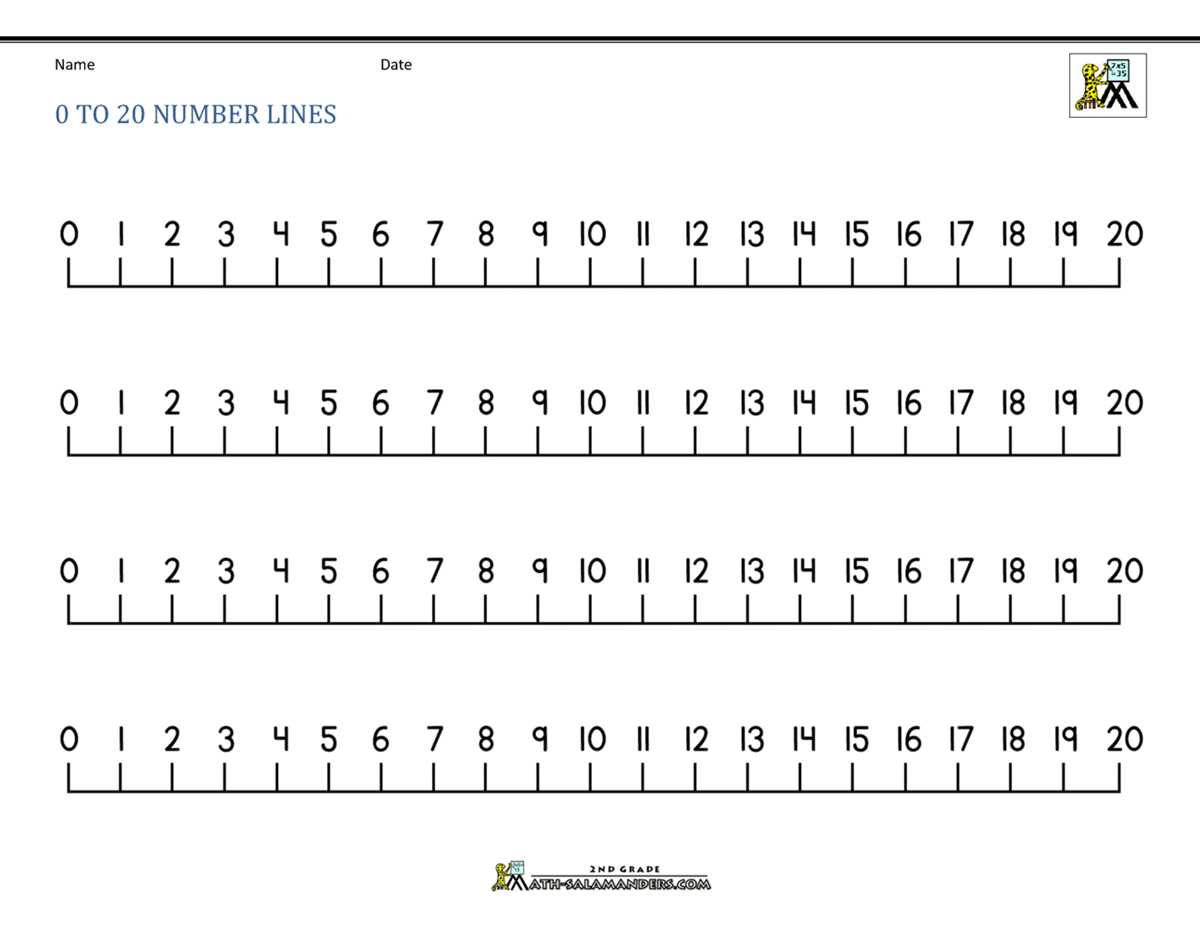
To help children understand counting, using a visual chart with numbers 1 through 20 is an effective method. This tool can assist them in recognizing number order, while also building their understanding of numerical relationships. You can easily implement this by printing out a chart or creating your own using simple materials like paper or a whiteboard. A clear, linear format aids children in grasping how numbers increment and how to count forward or backward.
Consider integrating interactive exercises with the chart, like asking children to point to specific numbers as you call them out, or practicing simple addition and subtraction using the chart. This method not only reinforces number recognition but also supports early arithmetic skills. Whether in a classroom or at home, this resource can be a valuable tool for engaging young learners in their early stages of number comprehension.
As you work with children, make sure to highlight the numbers using colors or images to make the chart more visually stimulating. Adding activities like “hop to the number 5” or “skip count by twos” can further enhance the learning experience. A fun and hands-on approach ensures that kids stay engaged while mastering the fundamental concept of counting from 1 to 20.
How to Use a Number Line from 1 to 20 for Early Learning
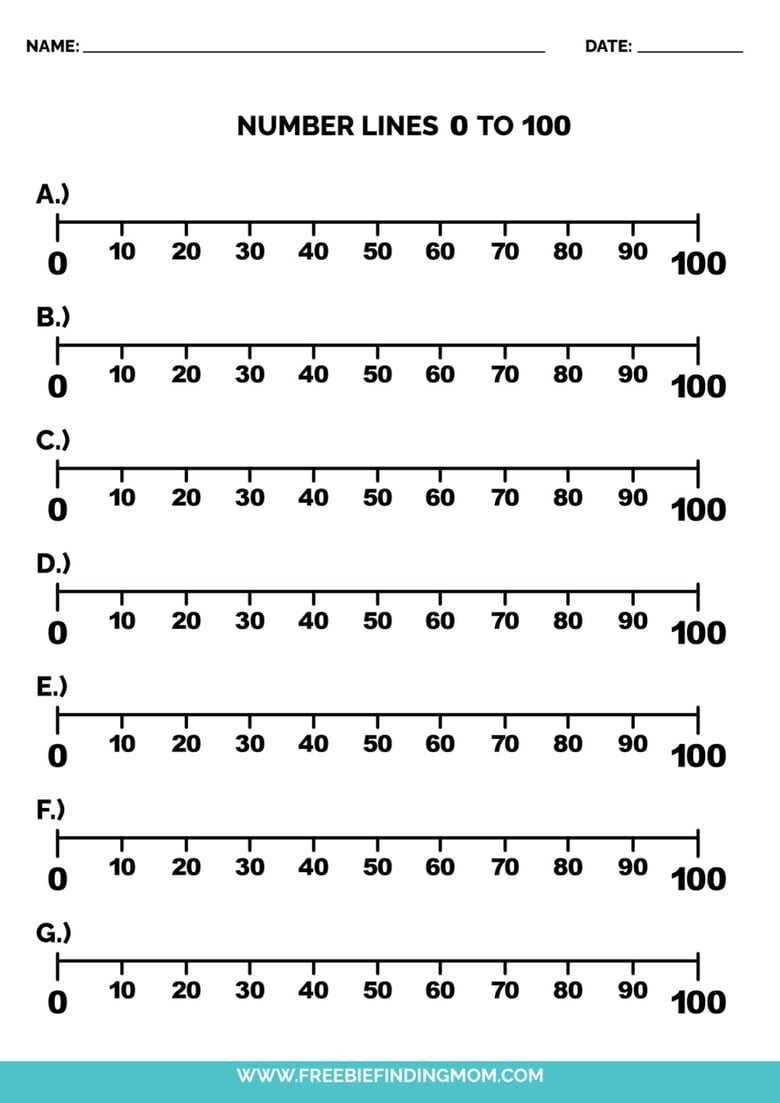
Begin by displaying the 1 to 20 chart prominently where children can easily see it. Ask them to identify and point to the numbers as you call them out. This reinforces number recognition and strengthens their ability to recall the correct order. Encourage them to trace the numbers with their fingers to make the experience more interactive.
Next, use the chart for basic counting exercises. For example, ask the children to count aloud as they point to each number on the line. This reinforces both verbal and visual skills, helping children associate the spoken number with its position on the chart.
For added engagement, introduce simple addition and subtraction problems. You can ask, “What is 4 plus 3?” and have the child move from number 4, counting three spaces to land on the correct answer. This allows children to see the relationship between numbers as they physically move along the chart.
Another useful exercise involves skip counting. Challenge the child to skip count by twos or fives, pointing to the corresponding numbers. For example, counting by twos will have them land on 2, 4, 6, and so on. This strengthens their understanding of patterns and number sequences.
To make the learning experience more fun, introduce games. For instance, you could hide objects at certain numbers and ask the child to find them by counting up the chart. Or use a game where they “hop” to a number when you call it out. This creates an active learning environment that helps children stay engaged while learning.
As children become more comfortable with the chart, challenge them to recognize missing numbers or create number patterns for them to solve. This promotes their problem-solving abilities and encourages them to think critically about numbers and their order.
How to Teach Counting with a Number Line from 1 to 20
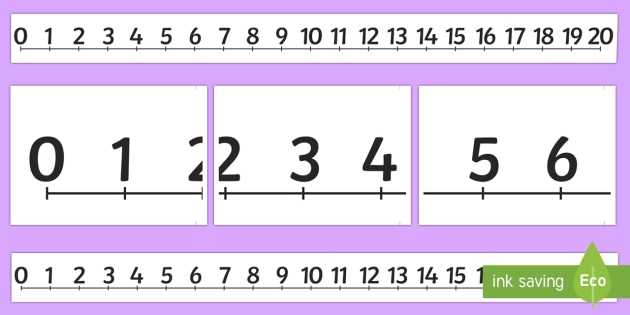
Begin by presenting the chart to the child and pointing to each number in order, starting from one. This visual method reinforces the sequence of numbers and helps them grasp the concept of counting from left to right.
Next, ask the child to count along with you. Encourage them to follow your finger or a pointer as they say the numbers out loud, focusing on proper pronunciation and sequence. This repetition builds familiarity with the number order.
For practical exercises, incorporate everyday objects such as toys, buttons, or blocks. Place a set number of objects in front of the child and ask them to count the items while matching each one to the corresponding number on the chart.
Once the child is comfortable counting forward, introduce simple addition and subtraction. For instance, “Start at number 3 and count forward by 2.” This helps them understand basic arithmetic concepts while reinforcing the number order.
Finally, make learning more engaging by turning it into a game. For example, use a small toy or an object to “hop” along the chart as the child counts out loud, or have them practice skipping numbers, like counting by twos or fives, to develop their number sense further.