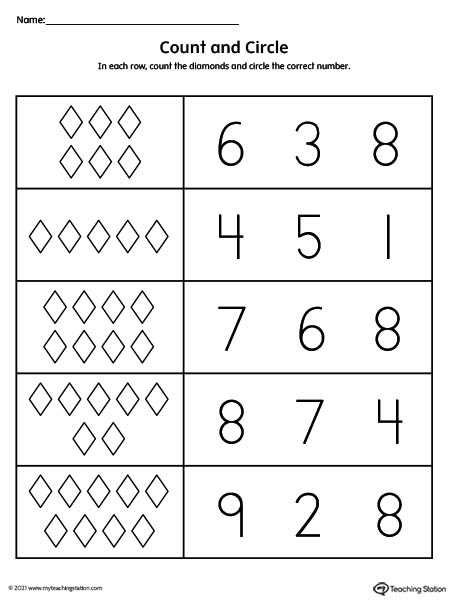
Interactive Practice Sheets for Beginners
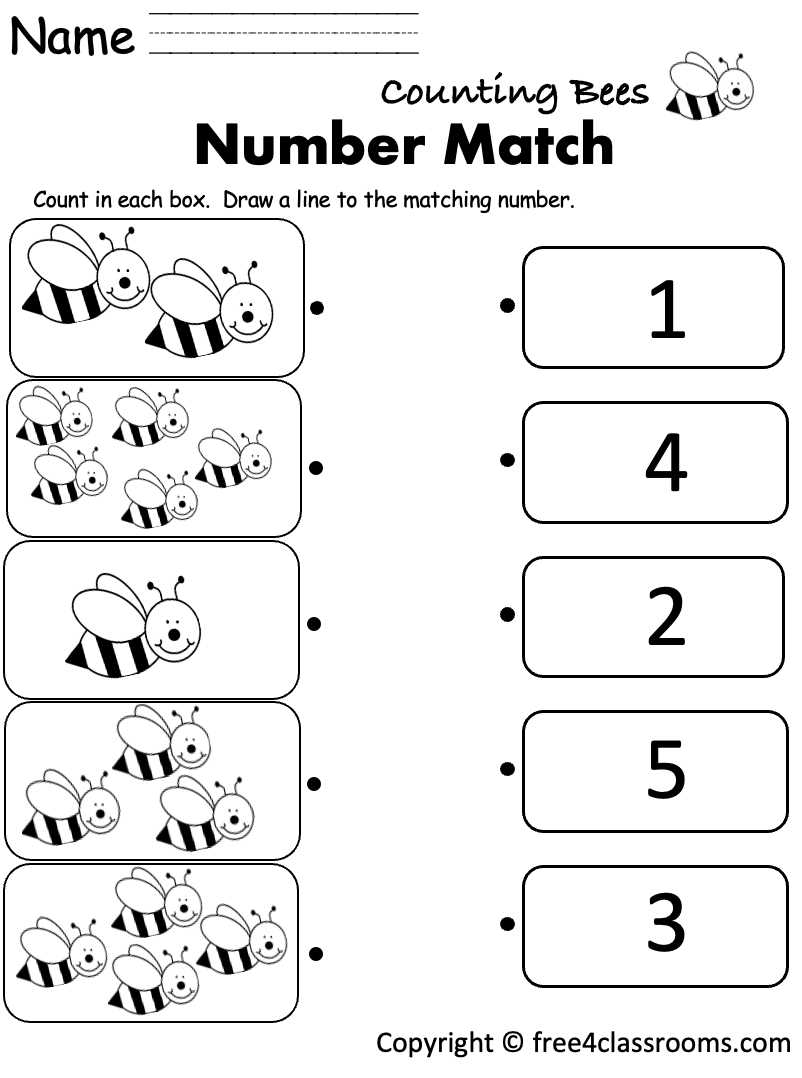
To strengthen foundational skills in number recognition, arithmetic operations, and sequencing, consider offering engaging exercises that challenge students at their current level. Using hands-on tools can help children improve their counting abilities and make learning enjoyable. For instance, practice tasks involving matching numbers to corresponding quantities will give learners a solid grasp of numerical concepts.
Activities to Master Counting and Addition
- Number Tracing: Allow students to trace digits and simple equations. This helps develop fine motor skills while reinforcing number shapes and basic addition patterns.
- Fill-in-the-Gaps: Create sequences with missing numbers for students to complete. This enhances their understanding of numeric order and counting forward or backward.
- Sum Matching: Provide sums with corresponding answer choices and ask students to match them correctly, reinforcing basic addition and problem-solving abilities.
Making Multiplication and Division Understandable
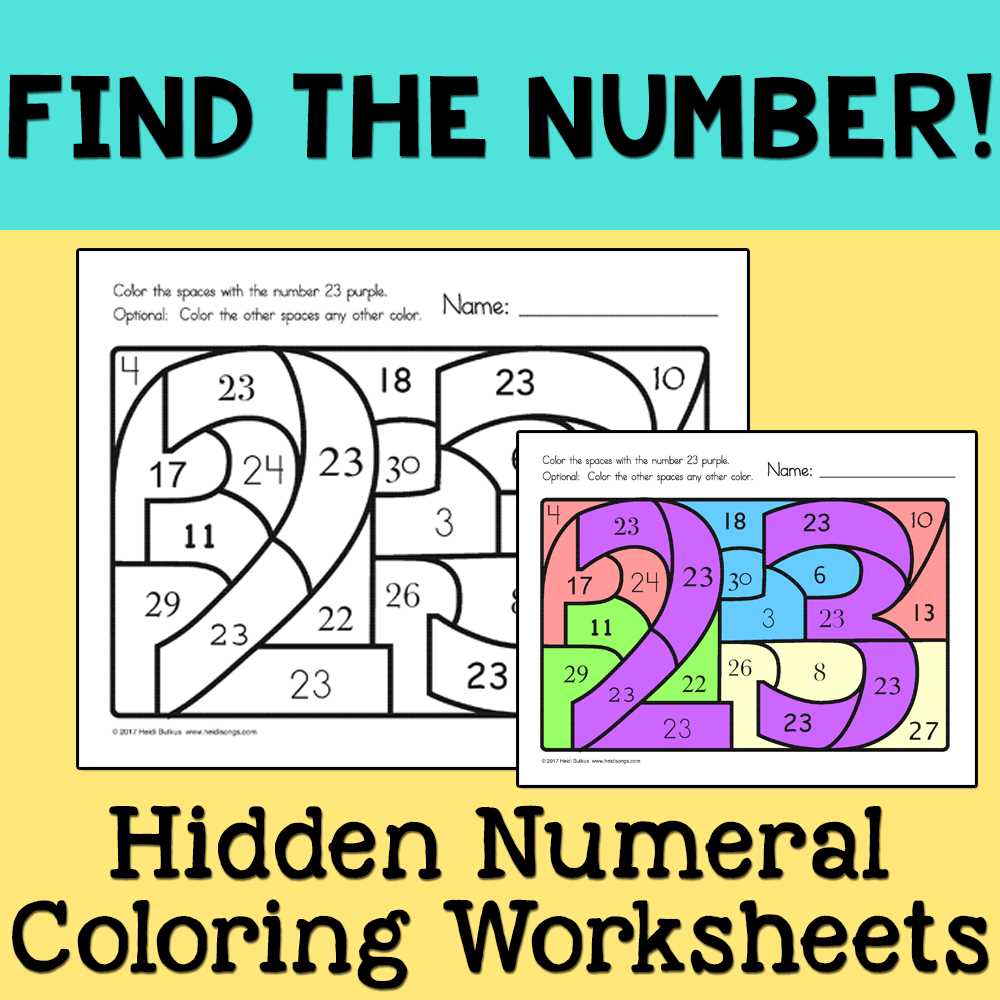
Once learners are comfortable with addition, introduce exercises designed for basic multiplication and division. These can be adjusted to different levels, beginning with simple tables and extending to word problems that require applying these concepts.
- Simple Times Tables: Use small grids where children can fill in answers to simple multiplication problems to reinforce the concept of repeated addition.
- Equal Grouping: Present division tasks as “sharing equally” scenarios, allowing learners to visualize splitting items into smaller groups.
Incorporating Games for Active Learning
Incorporating game-like activities can engage students in a more relaxed environment. Some activities include card games or interactive number puzzles that promote both critical thinking and a better understanding of mathematical concepts.
- Memory Match: Create card sets where each card displays a number, and its matching card has a sum or equation result. Players must find pairs that match.
- Number Bingo: Develop bingo cards with different number sequences or simple addition/subtraction problems. This turns the review process into a fun activity while enhancing quick recall skills.
Customizable Resources for Home and Classroom
For varied practice, use versatile worksheets that can be tailored to the learning pace of each child. Teachers and parents can modify the difficulty level by adjusting the number range or adding different types of arithmetic challenges, allowing the activities to grow with the student’s abilities. Ensuring tasks vary between simple counting, basic operations, and complex problem-solving keeps learners engaged and allows them to expand their understanding of mathematics organically.
Mathematical Practice Sheets for Young Learners
Focus on tasks that encourage early learners to trace and write numerals correctly, integrating fun visual aids like colored shapes or objects to improve retention. These exercises should be designed with varying levels of difficulty, progressing from simple patterns to more complex equations, ensuring a gradual mastery of counting and number recognition. Provide clear, structured guides that allow children to practice while also enhancing their fine motor skills.
Introduce activities that engage multiple senses, such as having children circle the correct numeral or connect dots in sequential order. This can stimulate both visual and tactile learning. Ensure each task is self-explanatory, offering clear instructions so children can independently engage with the material. Regular exposure to such challenges will build confidence and make early math practice both enjoyable and rewarding.