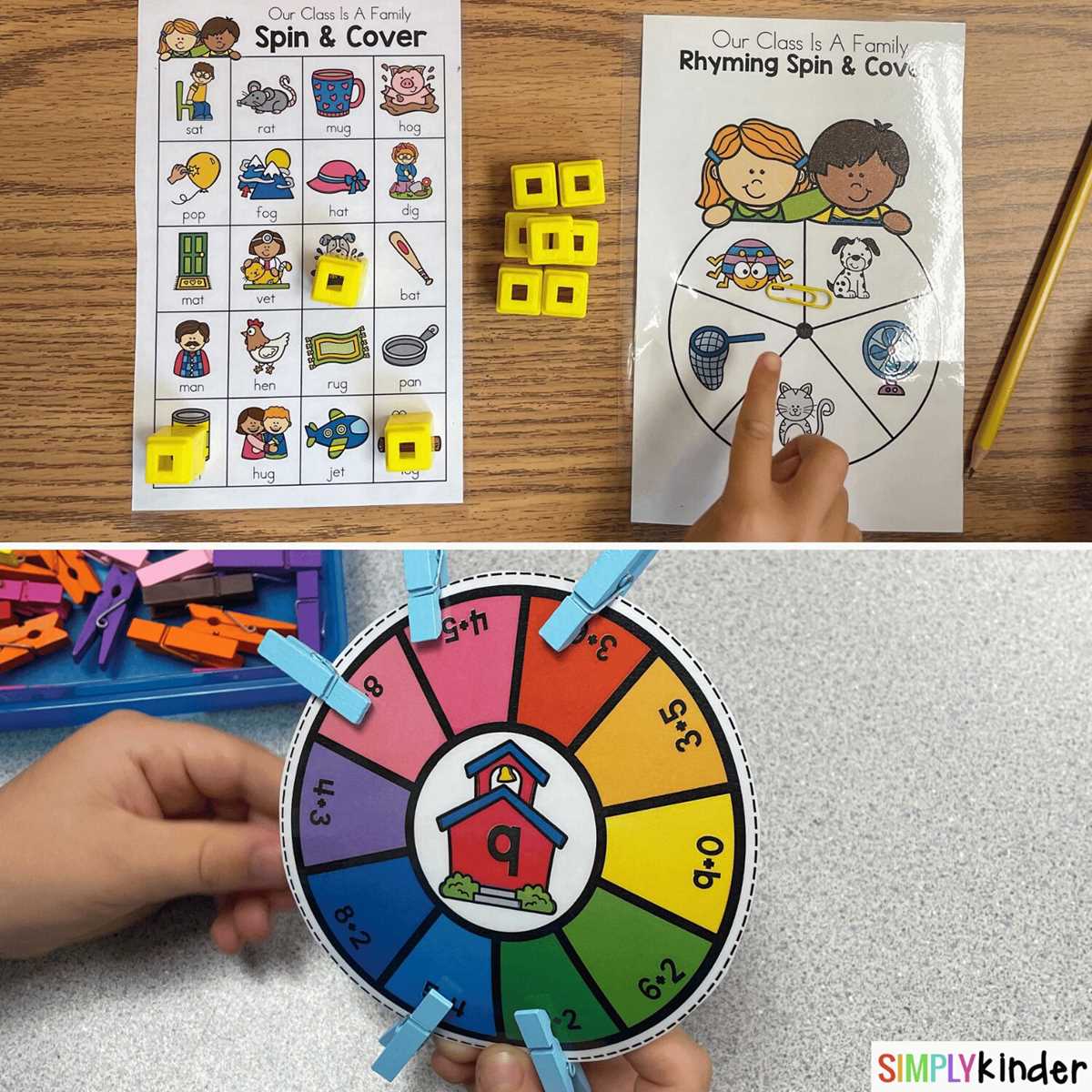
Choose a high-resolution PDF layout (300 DPI, A4 and US Letter formats) with bold lettering “Together We Learn” and space for each student’s name placed inside illustrated puzzle pieces.
Layout Specifications
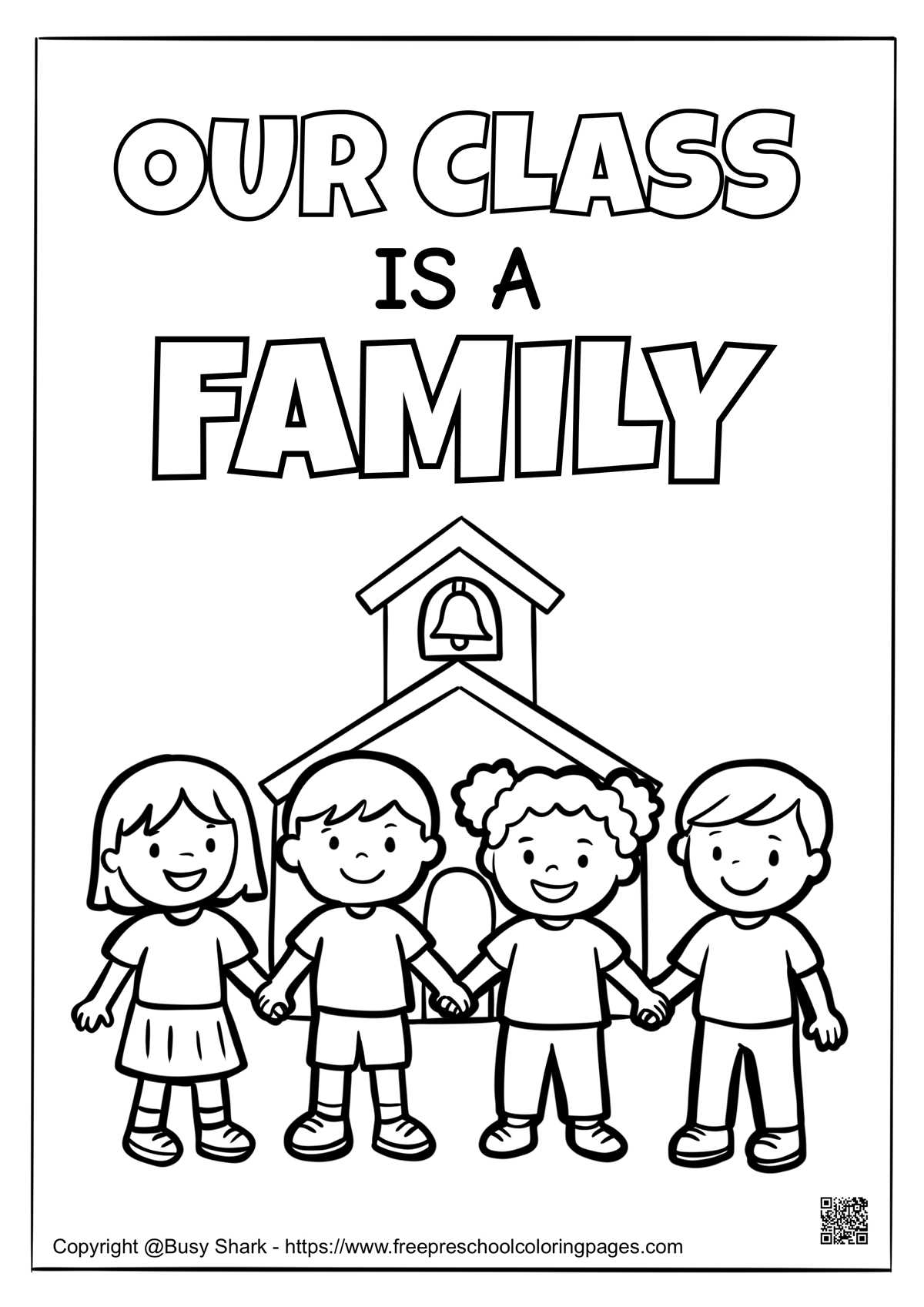
The sheet should include a central headline in a rounded sans-serif font sized between 120–150 pt for A4. Surround the headline with 20–30 interlocking shapes symbolizing unity. Leave 1.5 cm margins on all sides to prevent trimming during printing. Use CMYK color mode for professional output and RGB for home printers.
- Paper size: A4 (210 × 297 mm) and US Letter (8.5 × 11 in)
- Resolution: 300 DPI minimum
- File format: PDF (print-ready), optional PNG for quick access
- Color palette: 4–6 soft tones (blue, coral, mint, mustard)
- Font pairing: Rounded headline + clean secondary font (e.g., Montserrat, Poppins)
Content Structure
Place the main slogan at the center. Around it, allocate blank shapes where learners can write their names using markers. Add a short statement under the headline such as “Every voice matters.” Keep supporting text below 20 words for readability from 2–3 meters away.
Interactive Elements
- Individual name fields inside shapes (minimum width 4 cm).
- Signature corner section for the teacher.
- Date line to mark the beginning of the academic year.
Printing Recommendations
Use 200–250 gsm matte cardstock to prevent curling. Select “High Quality” print mode. Disable automatic scaling to preserve margins. Laminate with 80–100 micron pouches for long-term wall display.
Classroom Application Ideas
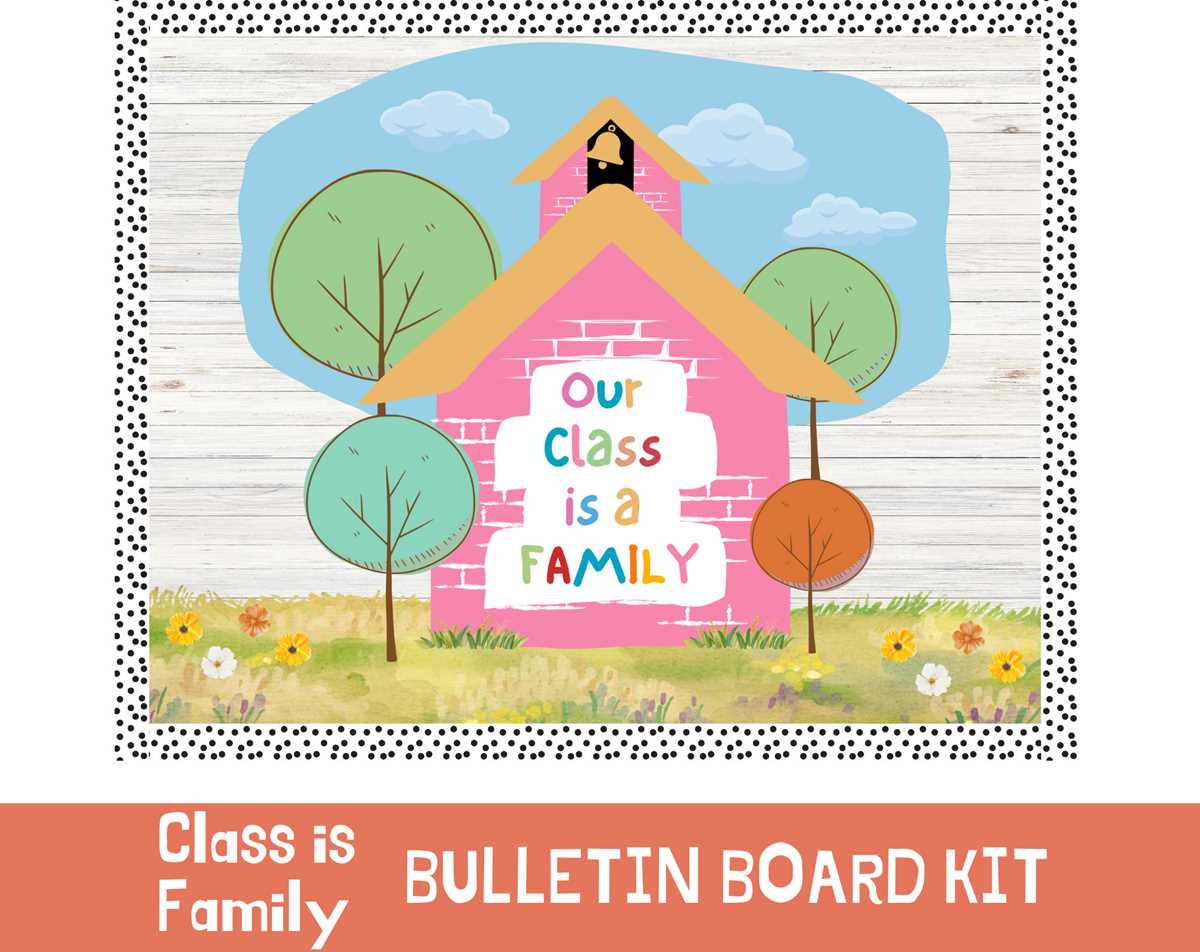
- First-week activity where each learner decorates their shape.
- Bulletin board centerpiece combined with photos (5 × 5 cm portraits).
- Year-end reflection wall where students add short achievements.
Store the final file in shared cloud storage for reprinting next year. Keep an editable version (PowerPoint, Canva, or Google Slides format) so names can be pre-typed if handwriting is not preferred.
Our Class Is a Family Printable: Practical Guide for Teachers
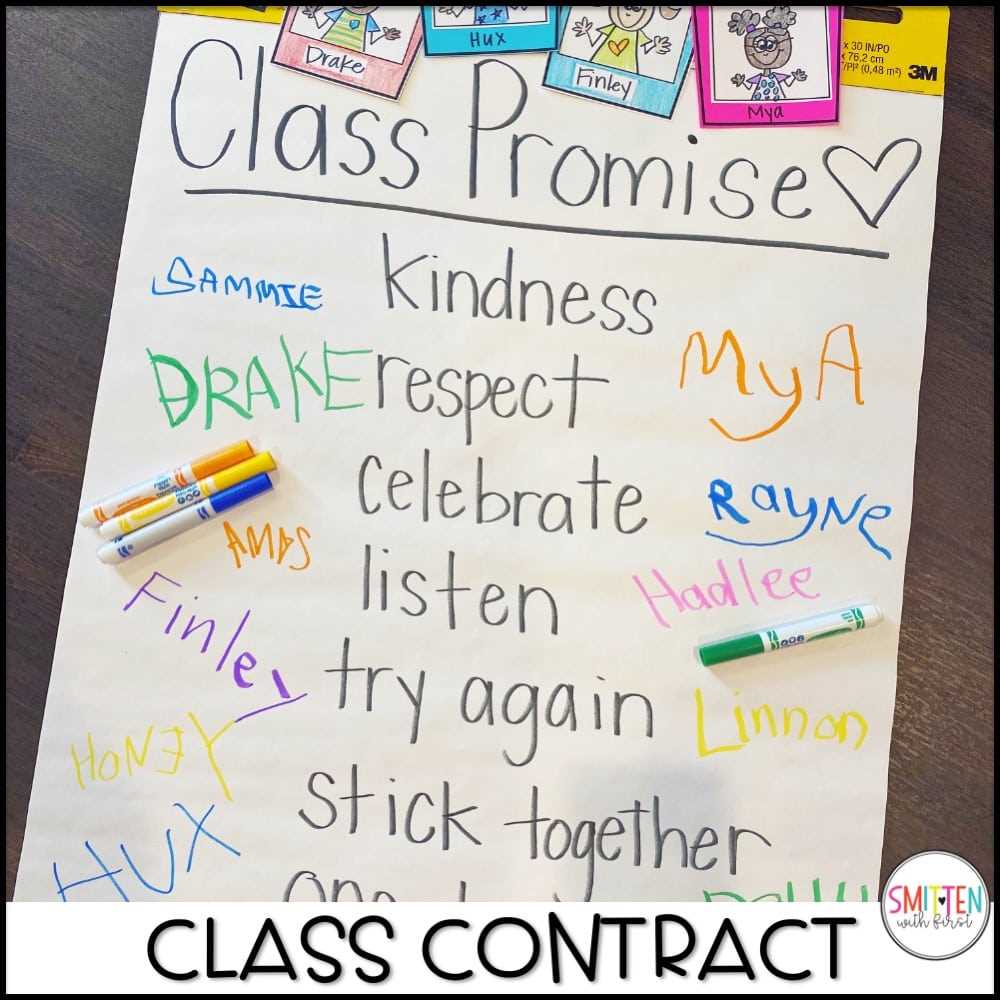
Print the poster in A3 format, laminate it, and place it at eye level near the meeting area; introduce it during the first morning circle and invite learners to sign their names around the border as a shared agreement. Use thick markers to ensure signatures remain visible from at least 2 meters away, and reserve a blank margin for adding new students during the year.
Connect the visual to concrete routines: pair each line from the text with a specific behavior example, such as “We help each other” linked to a 3-step peer-support protocol (listen, repeat the request, offer one action). Rehearse these actions twice a week for the first month, allocating 7–10 minutes per session. Track participation on a simple checklist and review patterns every Friday.
Create a writing extension by asking students to compose a short paragraph beginning with “In this group, I will…” Limit responses to 60–80 words to keep feedback manageable. Display selected excerpts under the poster using color-coded paper strips–blue for cooperation, green for respect, yellow for responsibility–so behavioral themes become visually organized.
Integrate the display into conflict resolution. During disagreements, guide the involved students to stand beside the poster and identify which statement applies. Provide a laminated mini-card version (A6 size) for desks; this portable reference reduces downtime and keeps discussions focused. Aim to resolve minor issues within 5 minutes using this anchor.
Adapt the material for different grade levels by modifying vocabulary. For grades K–2, replace abstract terms with short verbs and icons (share, listen, help). For grades 3–5, add reflective questions below each line, limited to one sentence each. Middle school groups can annotate the margins with real scenarios drawn from weekly experiences.
Involve caregivers by sending a black-and-white copy home during the first week, accompanied by three discussion prompts. Request a signed acknowledgment slip within 4 days. Store returned slips in a binder section labeled “Community Agreements” to document partnership and refer back during parent meetings.
Review the display at the end of each quarter: invite students to suggest one revision or addition based on observed behavior trends. Replace outdated statements and reprint the updated version to maintain relevance. Archive previous editions with dates to demonstrate growth across the academic year.