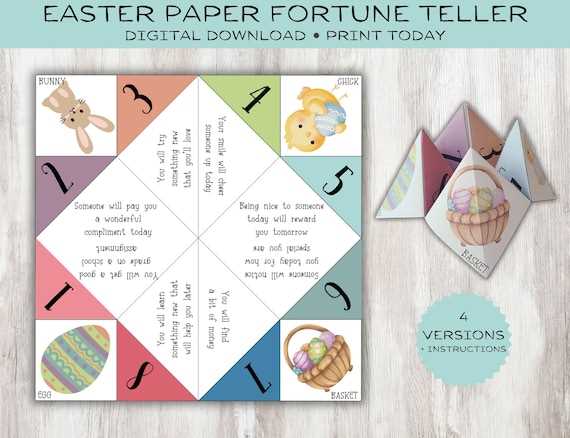
If you’re looking to add a fun, interactive element to any party or classroom activity, creating your own folding guessing game is a great idea. This simple, yet engaging craft only requires a few basic supplies like paper and markers, allowing for endless customization. The process can easily be done with just a few folds, making it a quick and enjoyable activity for both kids and adults alike.
The first step is choosing the right paper size and design. You can either draw your own designs or print pre-made ones from various resources available online. The advantage of making your own version is that you can customize the messages and colors, adding a unique touch to each fold. Once you’ve selected a design, carefully follow the folding instructions to ensure your creation holds together properly and functions as expected.
Whether you’re using this for entertainment, education, or as a fun party favor, there are plenty of creative ways to make the experience memorable. From adding jokes, fortune-telling features, to personalized trivia or even fun challenges, the possibilities are limitless. The next time you’re preparing for a fun group activity or need a quick way to keep children entertained, consider crafting your own folding game–it’s an engaging and rewarding project for everyone involved.
Detailed Guide for Making Your Own Interactive Folding Game
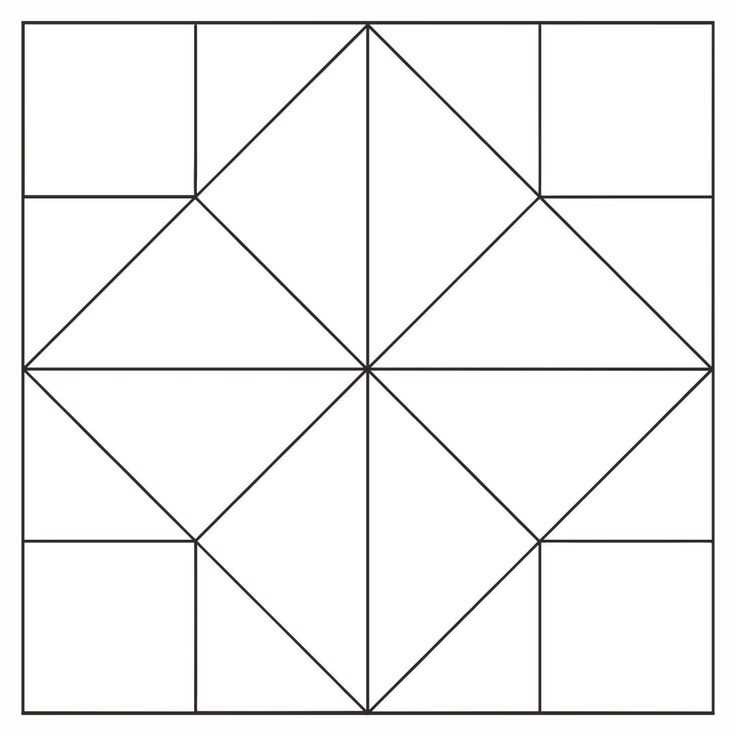
Start by selecting a square-shaped sheet of paper. If you don’t have one, simply cut a rectangular sheet into a square. The size of the paper can vary, but a typical starting size is 8.5 x 8.5 inches. Use a smooth, lightweight paper for easy folding.
Next, fold the paper in half diagonally in both directions, creating an “X” shape. Unfold it after each fold. These creases will guide the folding process and ensure the shape is symmetrical. Then, fold each corner toward the center, aligning them with the center crease. You should end up with a smaller square with four triangle flaps.
Now, flip the paper over and repeat the process by folding the new corners into the center. This step creates a clean, sturdy base for the final folding game. Once this is complete, you should have an even smaller square with all the corners folded in.
Next, use a pen or marker to write numbers or symbols on the outside of the folded triangles. These markings can be customized depending on the purpose of the game, such as incorporating jokes, trivia questions, or random predictions. For added creativity, you can color-code the flaps or use stickers to make it more visually appealing.
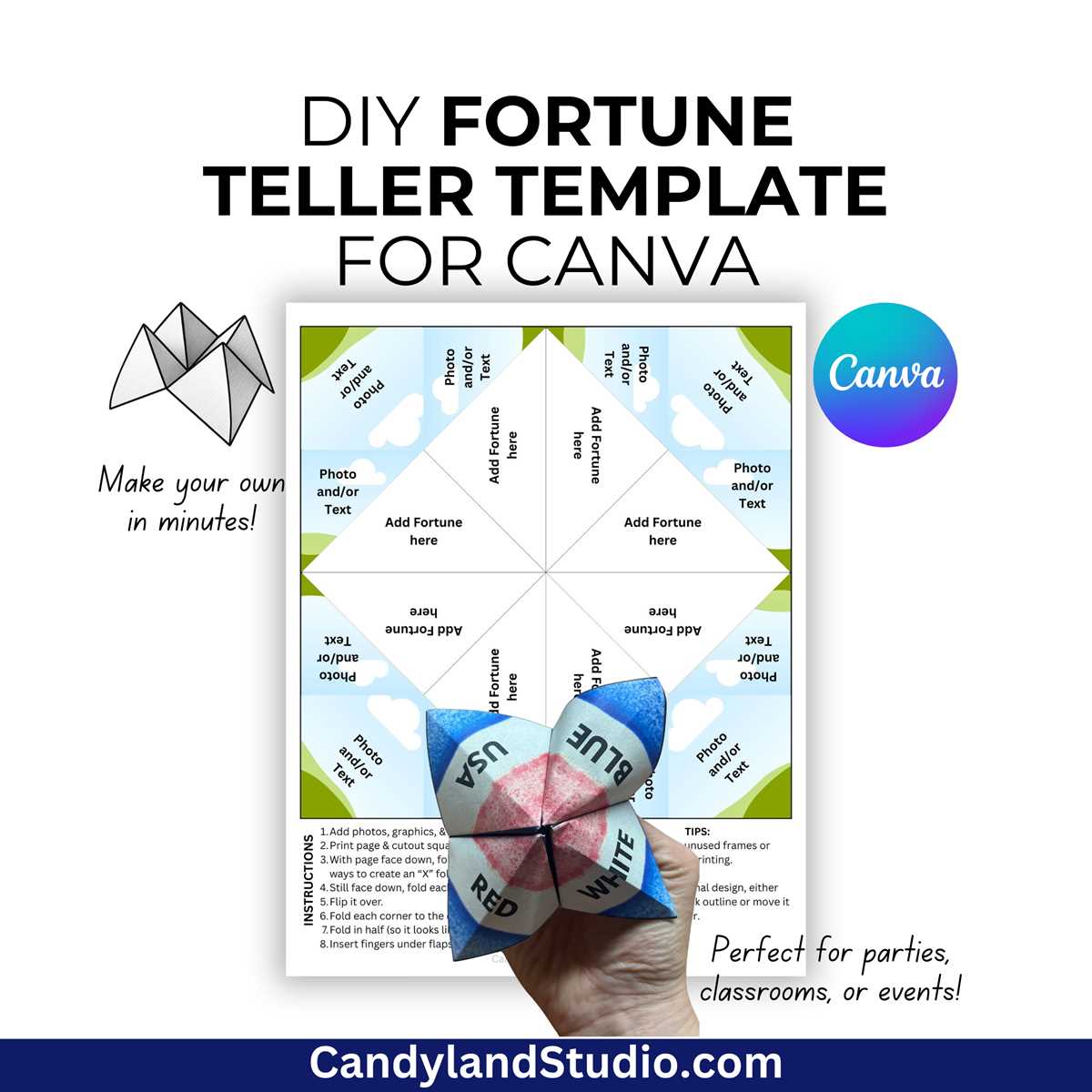
Now, flip your creation over once again and write your chosen phrases, challenges, or fortunes on the inner surface of the folded corners. These messages will be revealed during the game, so make sure they are fun, engaging, and appropriate for the participants.
Finally, to play the game, hold the center of the square and use your thumbs and index fingers to open and close the folded sections. As you ask questions or make choices, move the folds in and out, guiding players to the hidden messages inside. This simple yet engaging activity is a great way to entertain friends and family at any gathering or even as an educational tool for kids.
Choosing the Right Template for Your Interactive Folding Game
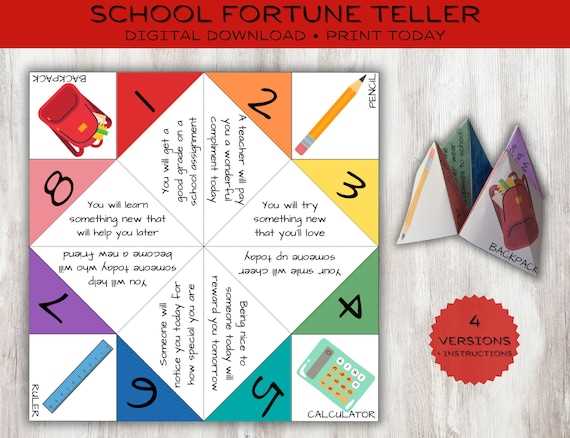
When selecting a design for your folding game, consider the age and interests of the participants. For younger children, choose simple designs with bright colors and easily recognizable shapes. Avoid intricate details that might be confusing to younger users. A clear, bold outline with fun, playful symbols or numbers will work best for them.
If you’re crafting a version for an older audience, you may want to choose a more sophisticated layout. Incorporating themes that match the event or purpose of the game, such as trivia questions, fortunes, or personalized challenges, can add an engaging element. You might also select a template with more complex artwork or patterns to make it visually appealing to older players.
Another important factor is the size and format. Choose a template that matches the amount of space you have available. If you’re printing your design, ensure the size of the paper fits the template without cutting off key details. Some templates may be designed for larger formats, while others are smaller and compact. Choose based on your available resources and desired end result.