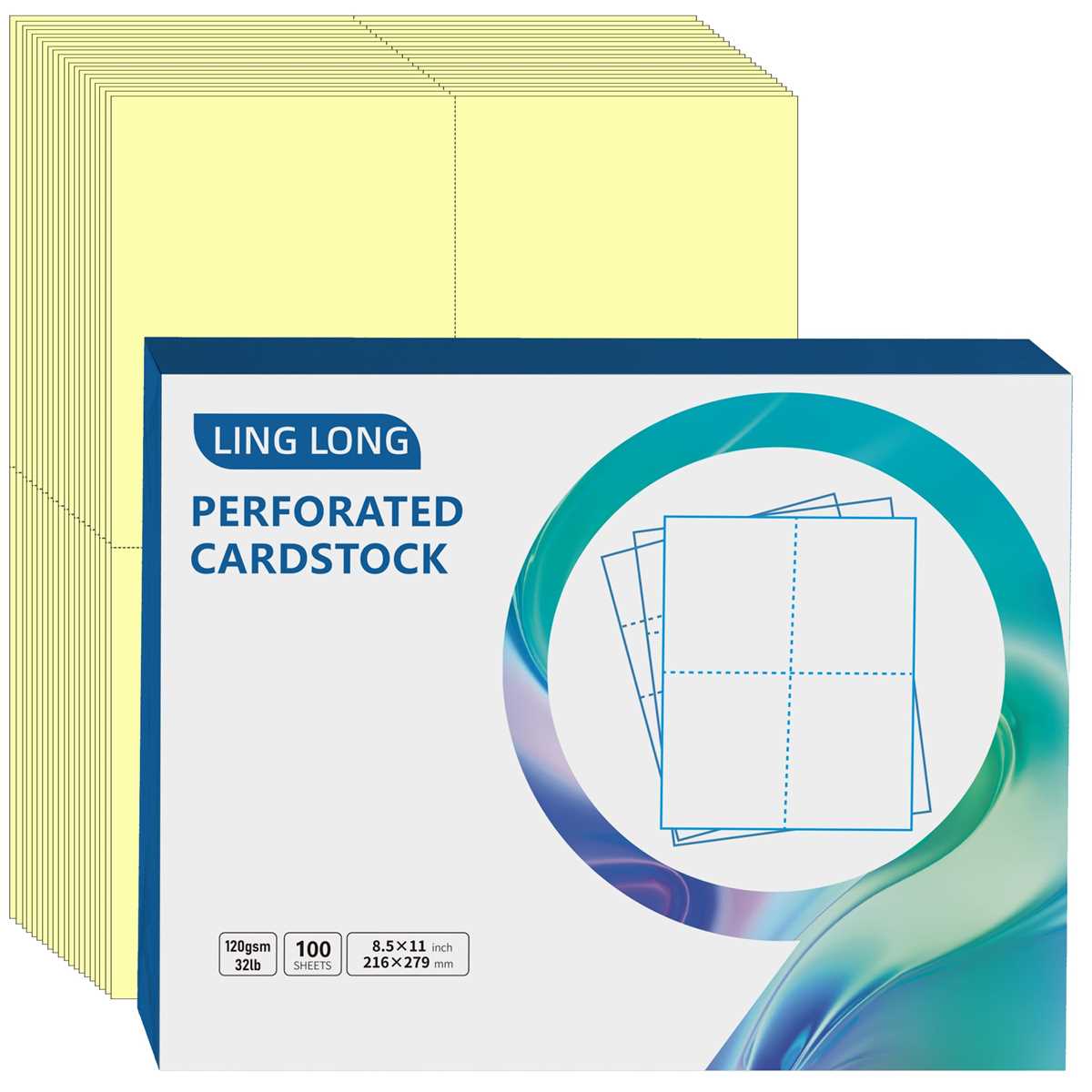
Select die cut tear off sheets with micro scoring at 10–12 cuts per inch for clean separation in laser and inkjet devices. Choose 24–28 lb stock for forms and vouchers to prevent jams and uneven feeding.
Material Specs That Control Tear Quality
Weight Fiber and Coating
Uncoated woodfree stock tears straighter than coated surfaces. A basis weight below 20 lb risks curling, while above 32 lb resists clean separation. Long fiber pulp improves edge consistency after detachment.
Score Pattern and Placement
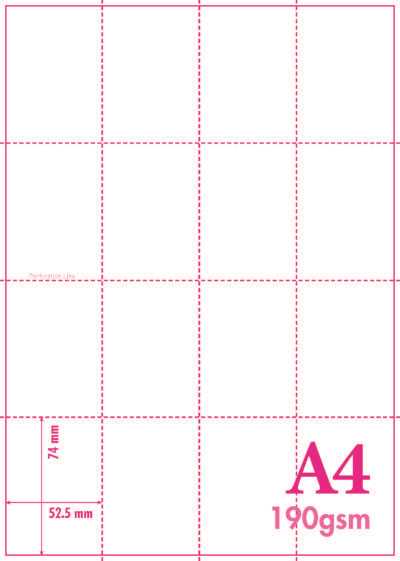
Micro scoring performs better than macro slots for high speed devices. Place scores at least 12 mm from the leading edge to avoid sensor errors. Parallel scoring supports multi part layouts such as tickets and coupons.
Use Cases and Device Setup
Forms Tickets and Mailers
Tear off stock suits invoices, raffle slips, reply cards, and shipping records. Duplex jobs need mirrored scoring to keep alignment across both sides.
- Set media type to heavy stock in drivers
- Disable edge enhancement to prevent frayed lines
- Test with five sheets before long runs
Store sheets flat at 40–55 percent humidity. Avoid pre feeding stacks with bent edges, as misfeeds increase along scored lines.
Perforated Printable Paper for Office and Commercial Printing
Choose tear line sheets with micro scoring of 10–12 cuts per inch for laser and inkjet devices used in offices and print shops. This density balances clean separation with stable feeding during high volume runs.
Use 24–28 lb bond stock for invoices, tickets, and vouchers to reduce curl and prevent tray misfeeds. Lighter sheets tend to bend along cut lines, while heavier grades resist smooth detachment after output.
Uncoated surfaces deliver straighter tear edges than glossy finishes. Short fiber blends break unevenly, while long fiber pulp keeps the edge uniform across forms, coupons, and detachable stubs.
Position tear lines at least 12 mm from the leading edge to avoid sensor errors in duplex and network devices. Misplaced scoring often triggers skew detection or partial pulls in fast printers.
For commercial presses, request consistent scoring depth across the full sheet width. Variations greater than 0.1 mm cause irregular breaks, especially on multi lane layouts with several detachable sections.
Driver settings should match the actual sheet weight rather than default plain stock profiles. Disable edge smoothing and image expansion to prevent toner or ink buildup along the cut path.
Store boxed stock flat at 40–55 percent humidity and feed small stacks during long jobs. Excess moisture softens fibers near cut lines and increases tearing outside the intended path.