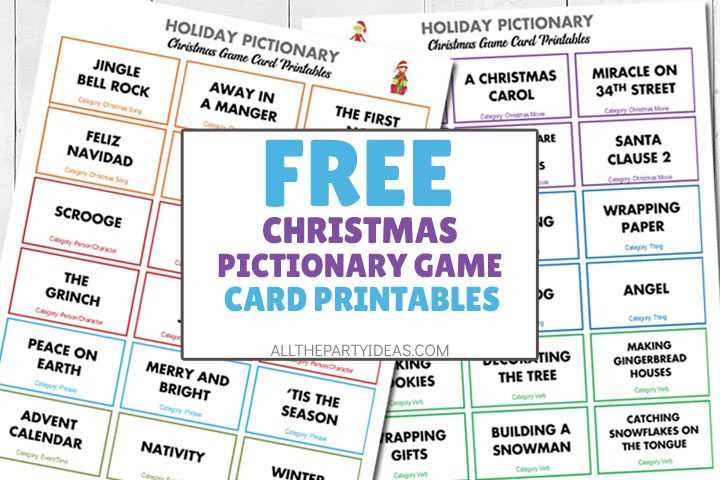
If you’re looking to customize your next family gathering or game night, creating your own drawing challenge cards is a great idea. These DIY cards allow you to tailor the game to your preferences and make it more engaging for all participants. You can either design your own prompts or download templates to help you get started.
Creating Customized Prompts for Drawing Challenges
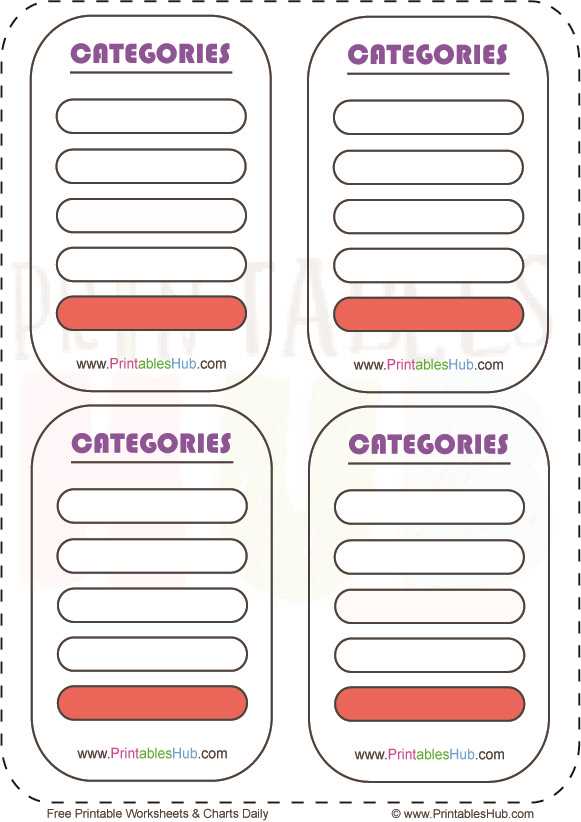
The first step in creating your drawing challenges is selecting the right categories. Consider the interests of your group and make sure you include a mix of easy, medium, and difficult prompts. For instance, you can have categories like animals, famous landmarks, everyday objects, or even actions and emotions. To create a balanced set, aim for 20-30 cards per category.
Use simple language for the prompts to ensure that everyone, regardless of age or experience, can understand them. You can include humorous or whimsical items, like “a dinosaur riding a skateboard” or “a cat playing a piano,” to add some fun to the game.
Best Tools for Designing and Printing the Cards
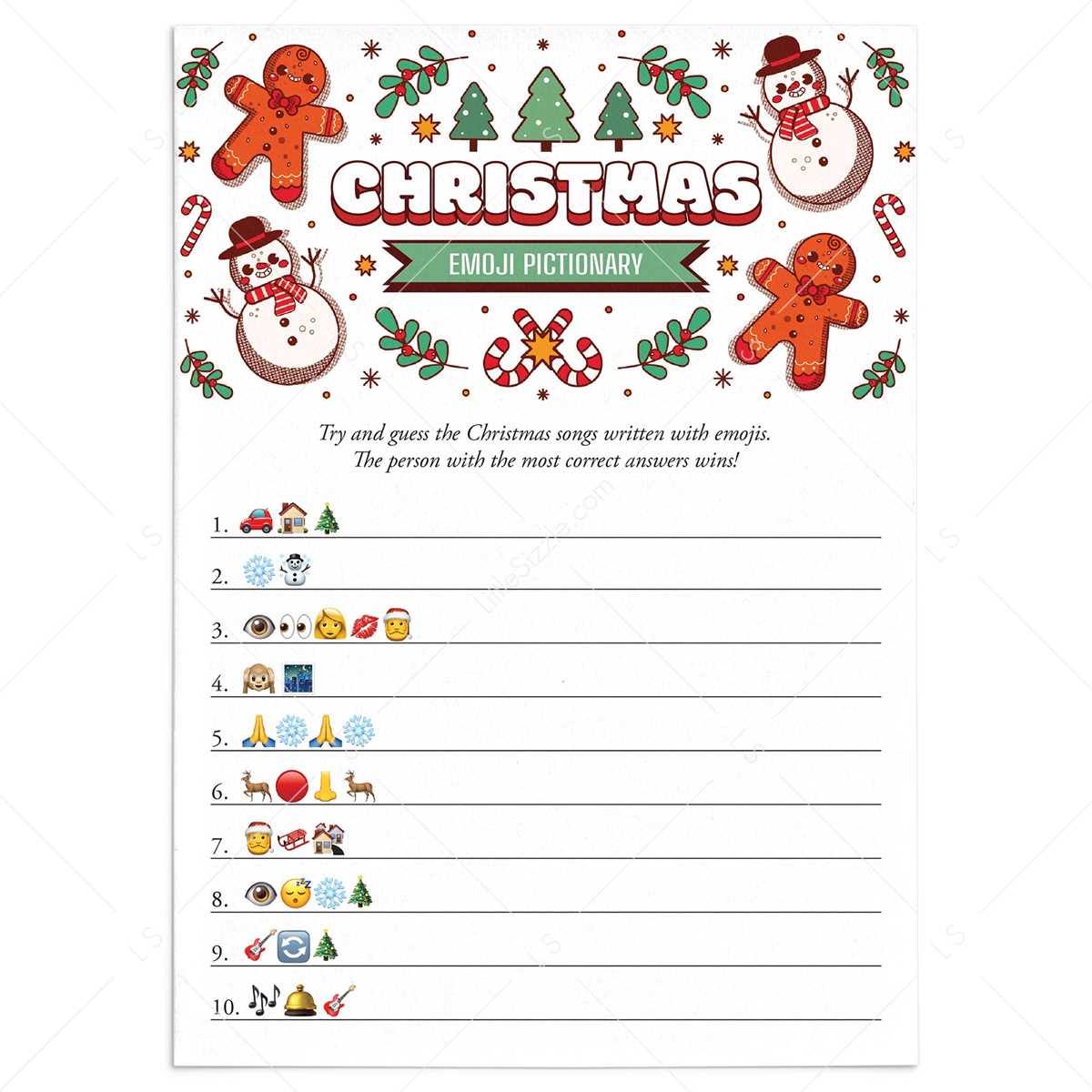
If you’re looking to create your cards digitally, tools like Canva, Adobe Spark, or even Microsoft Word provide templates and design options. You can add images, customize fonts, and adjust colors to match your desired theme. Once your designs are ready, simply print them on cardstock for durability.
Alternatively, if you’re in a rush, there are many websites offering ready-to-use templates that you can download and print immediately. Sites like Pinterest or specialized game resource websites often have free, editable templates that you can adjust as needed. Whether you print them at home or use a professional service, high-quality printing will ensure that your cards last longer and withstand heavy use.
Custom Drawing Cards for Your Next Game Night
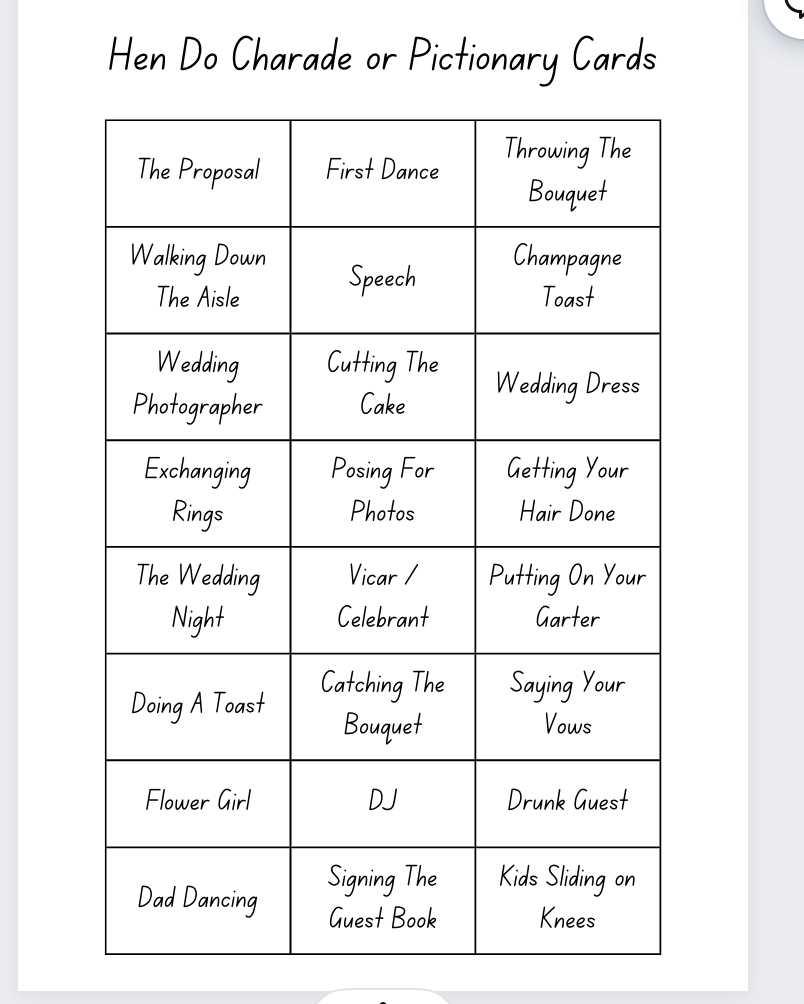
If you’re looking to spice up your next game night, creating your own custom drawing challenges can be a great way to do so. Prepare a set of themed prompts to keep players engaged and energized. Themes can vary, from simple objects to more complex scenes or emotions. When crafting these cards, be specific in your descriptions to avoid confusion during the game.
Consider mixing in a variety of difficulty levels. For example, include categories like animals, places, or everyday activities. By having a balance of easy and challenging prompts, you ensure that players of all skill levels can enjoy themselves. Additionally, try to include both abstract concepts and tangible objects to encourage creativity.
Make sure the descriptions on your challenge sheets are clear and concise. When someone reads the prompt, they should be able to start drawing without hesitation. The easier it is for players to interpret the task, the more fun they’ll have trying to draw it. Avoid vague phrases that could lead to confusion or ambiguity during the game.
For a unique twist, use “action” cards that describe motion or feelings. For instance, instead of just writing “dog,” try “dog running fast” or “dog playing with a ball.” This adds a dynamic element to the drawings and makes the game even more exciting to participate in and watch.
It’s also important to consider how many cards you’ll need. A smaller set can be suitable for quick rounds, while a larger collection will allow for extended play. If you prefer variety, create cards with categories that match different themes–like holidays or famous landmarks–so the game never feels repetitive.
Once your set is ready, think about the physical format. You can easily print them on standard paper, but for durability, try using thicker cardstock or laminating the sheets. This way, your custom prompts will last longer and withstand the wear and tear of repeated use.
Don’t forget to test out the cards before your main event. Ask a few friends to try them out and provide feedback. This way, you can tweak any prompts that might be unclear or overly difficult, ensuring a smoother experience for everyone involved.
Finally, get creative with how you organize the cards. You can sort them by difficulty, type, or theme. You might even use color coding for easy reference. However you choose to arrange your set, the goal is to keep things simple and fun, so everyone can enjoy a lively round of drawing.