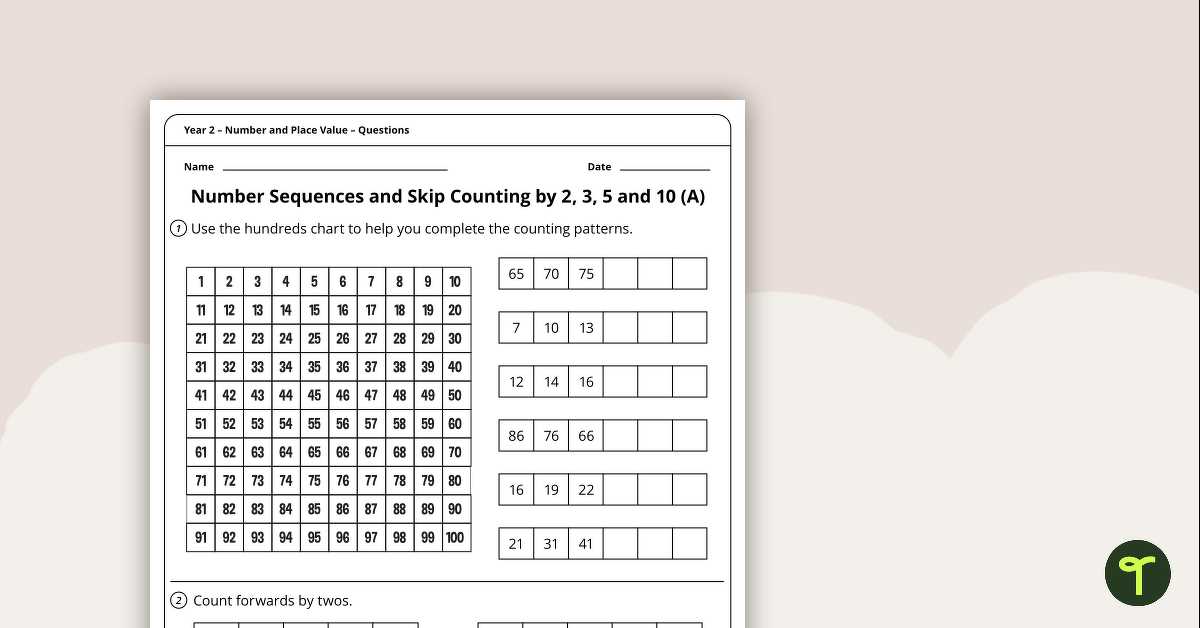
Start with simple worksheets where students arrange digits into multi-digit numbers. Focus on guiding them to recognize the impact of each digit’s position within a number. Use exercises that encourage them to group numbers based on their place within the tens, hundreds, or thousands.
Incorporating visual aids like blocks, place value charts, or number lines can help students physically see the difference between numbers like 5 and 50 or 500. These visuals make abstract concepts more concrete and easier to grasp for early learners.
Design exercises where students identify and match numbers with their written or expanded form. For example, ask them to write 456 as 400 + 50 + 6. This task sharpens their understanding of how each digit’s placement contributes to the total value.
As learners progress, introduce challenges that incorporate real-world situations. For example, ask students to calculate the total cost of items based on their price tags, with each price represented by different digits. This brings the theory into everyday contexts, reinforcing the practical use of numbers.
Hands-on Exercises to Understand Number Structure
Begin with simple worksheets where students fill in the missing digits to create multi-digit numbers. These activities help them recognize the significance of each digit based on its position, whether it’s in the ones, tens, hundreds, or thousands column.
Incorporating physical objects like blocks or base-ten rods into lessons can deepen understanding. These tools allow students to visually represent numbers, facilitating an easier grasp of the relationship between individual digits and their value.
Create matching exercises where students link numerical representations to their expanded form. For example, given the number 234, ask them to break it down as 200 + 30 + 4. This will help students understand how numbers can be decomposed based on their digit placement.
Use number lines to further illustrate how digits change their value depending on their position. Having students place numbers on a number line can reinforce the concept that the value of a number increases as digits move to the left.
Involve students in word problems that incorporate place value concepts. For example, ask how much more a number like 356 is than 325 by focusing on the difference in the hundreds and tens digits. These types of problems help students apply their knowledge to real-life scenarios.
Introduce games where students compete to build the largest or smallest numbers using specific digits. This will reinforce their understanding of number structure in a fun and engaging way, while also improving their speed and accuracy.
As students advance, have them explore decimal numbers. Use activities where they compare whole numbers with decimals to reinforce the idea that digits to the right of the decimal point also hold a value based on their position.
End with a group challenge where students create their own number system on paper, assigning different values to each digit based on a custom set of rules. This allows them to experiment with the concept and solidifies their understanding of numerical hierarchy and structure.
How to Teach Number Structure Using Fun Worksheets
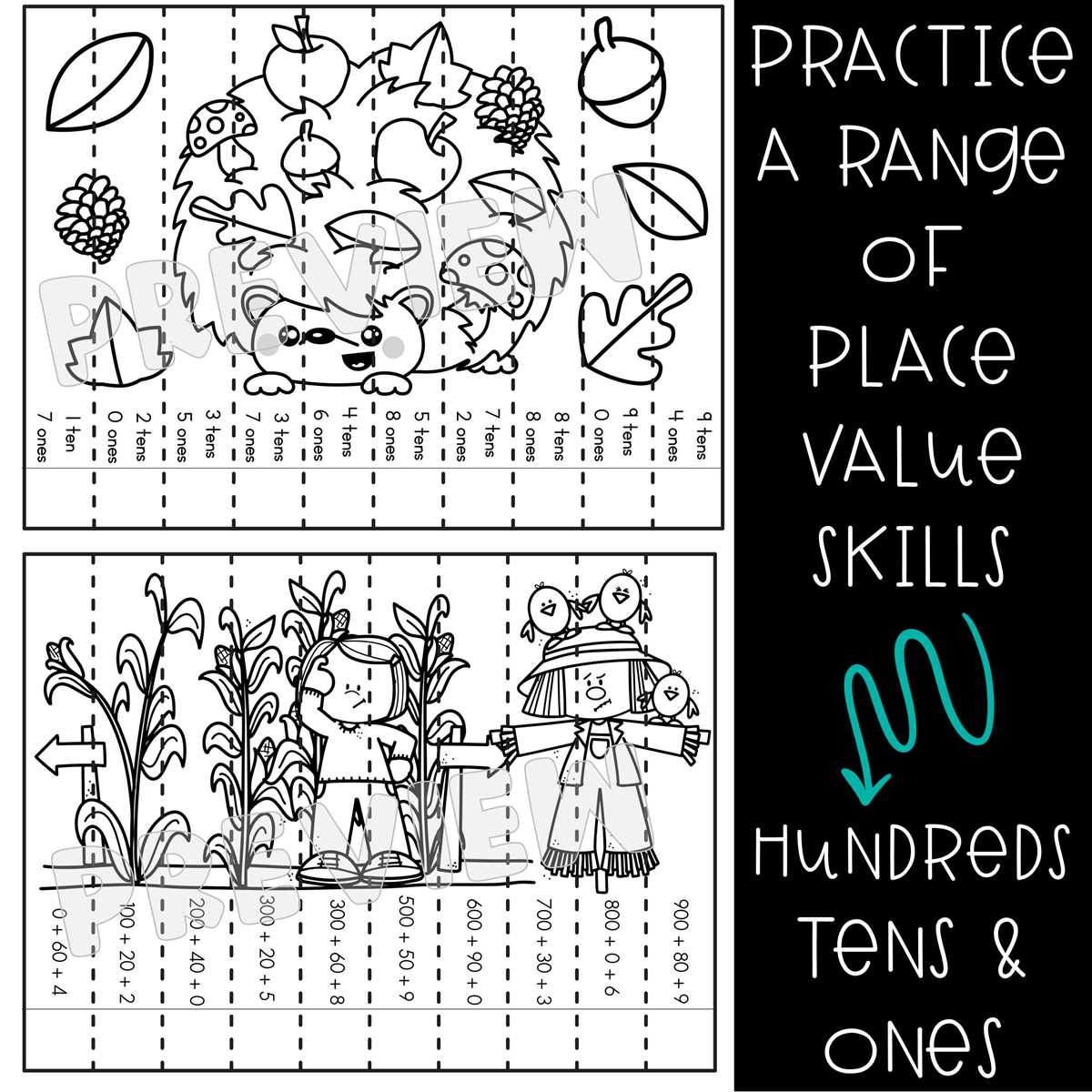
Start by offering engaging worksheets with fill-in-the-blank exercises where students must complete multi-digit numbers. For example, leave empty spaces in numbers like 5_6 and ask them to fill in the correct digit based on its position. This simple approach helps students immediately grasp the role of each digit in the number.
Incorporate interactive tasks such as matching numbers to their expanded form. For instance, when given the number 470, students can practice breaking it down into 400 + 70. These activities improve understanding by connecting numbers in their standard form with their expanded, place-based representation.
Enhance the worksheets with colorful visuals like blocks or grids to represent digits and their place. This tactile approach provides students with a hands-on experience that makes learning more engaging and memorable. By connecting theory to visual aids, they can quickly visualize how numbers shift in value as digits change positions.