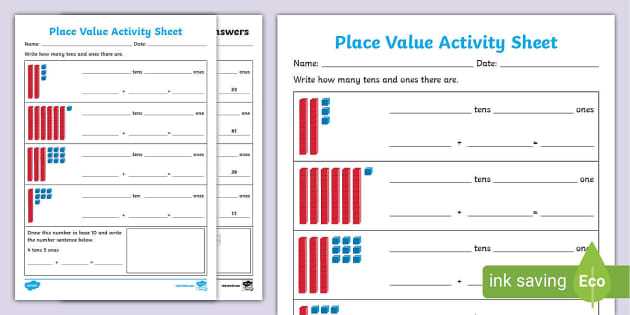
Choose practice pages that isolate one digit position at a time–ones and tens for Grade 1, hundreds for Grade 2, and thousands for Grade 3–to prevent confusion and build steady number sense. A focused set of 10–15 tasks per level allows students to compare digits, write numbers in expanded notation, and convert between standard and word form without overload. For beginners, include number lines up to 100 and base ten block drawings; for older learners, add regrouping within 1,000.
Use mixed-format exercises to reinforce understanding: expanded notation (4,582 = 4,000 + 500 + 80 + 2), digit comparison with inequality symbols, and short word problems that require identifying the digit in a specific position. Limit each page to two formats to keep attention on structure rather than layout. Provide answer keys with step-by-step breakdowns, not just final results, so errors can be traced to misunderstanding of digit weight.
Adjust complexity by increasing number size and adding decimals only after mastery of whole numbers. For Grade 4, include tenths and hundredths with grid models; for Grade 5, integrate rounding to the nearest ten, hundred, and thousand alongside multi-digit addition. Keep margins wide for written work and use consistent spacing between problems to support clear alignment of digits during calculations.
Place Value Printable Sheets for Structured Math Practice
Select number position practice pages that progress from two-digit composition to multi-digit decomposition within a single packet. Limit each set to 20–25 problems and group them by skill: identifying digit weight, writing expanded notation, and comparing numbers with inequality symbols. Arrange tasks vertically so learners align digits by column during addition or subtraction.
Include varied formats to strengthen understanding of digit hierarchy:
- Write numbers in expanded form (7,304 = 7,000 + 300 + 4)
- Identify the digit in the hundreds or thousands column
- Convert between standard, word, and expanded notation
- Fill in missing digits to match a target number
- Use base ten block drawings to model quantities
Increase complexity gradually. Move from whole numbers under 100 to four-digit figures, then introduce decimals with tenths and hundredths using grid models. Add rounding tasks to the nearest ten or hundred only after students demonstrate accuracy above 85% on decomposition exercises. Keep spacing wide for handwritten work and provide a short answer key with step-by-step breakdowns for error correction.
How to Select Worksheets for Tens Hundreds and Thousands by Grade Level
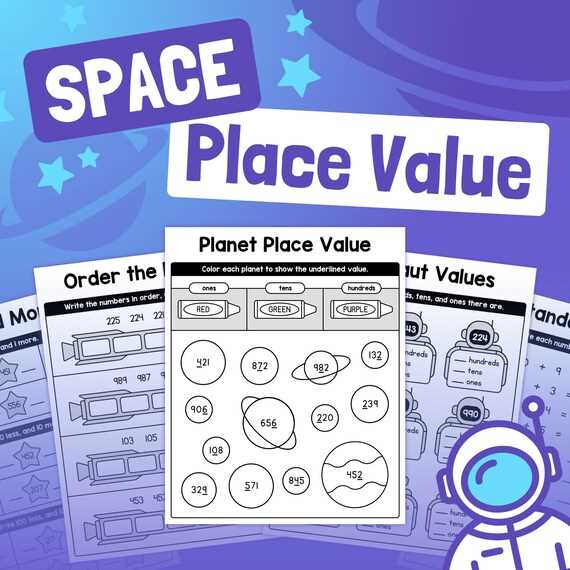
Choose two-digit number tasks with visual models for Grade 1, focusing on grouping objects into bundles of ten and identifying the digit in the tens column. For Grade 2, move to three-digit numbers up to 999, adding expanded notation and comparison exercises with < and > symbols. In Grade 3, introduce four-digit figures, regrouping across columns, and rounding to the nearest ten and hundred. By Grade 4, include problems with numbers up to 100,000, word form conversions, and multi-step addition or subtraction that requires aligning columns correctly.
Match difficulty to measurable outcomes: assign no more than 15 basic identification problems for early learners, increase to 20–25 mixed-format questions for upper elementary, and include at least 5 applied word problems for Grades 3–4 that require interpreting digit position within real-life contexts such as population counts or money totals. Provide grid lines for younger students and remove visual supports gradually as accuracy improves beyond 80% on independent practice pages.