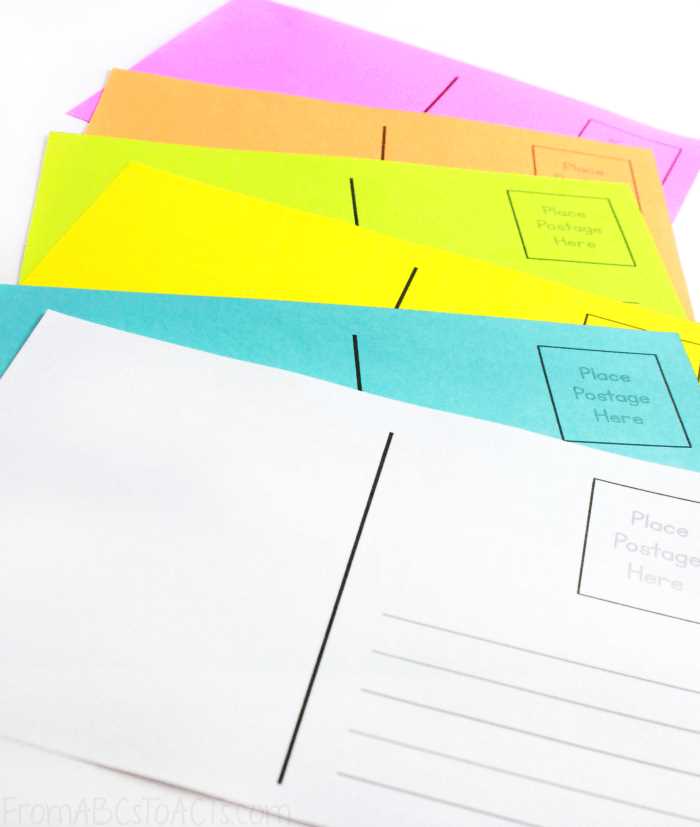
To set up a convincing mailing station for children, use simple printed tools like letter templates, stamps, and packages that can be cut out. These resources help simulate real-world postal tasks, making the activity more immersive. Kids can write and address letters, send packages, and even stamp items, mimicking the everyday tasks of postal workers.
Begin by printing letter-sized sheets that feature blank spaces for children to write their messages. Include spaces for both the sender’s and recipient’s addresses. If possible, add decorative elements such as stamps or postal markings. This not only adds authenticity to the activity but also allows children to practice handwriting and address formatting.
How to Set Up a Functional Mail Sorting and Delivery Station
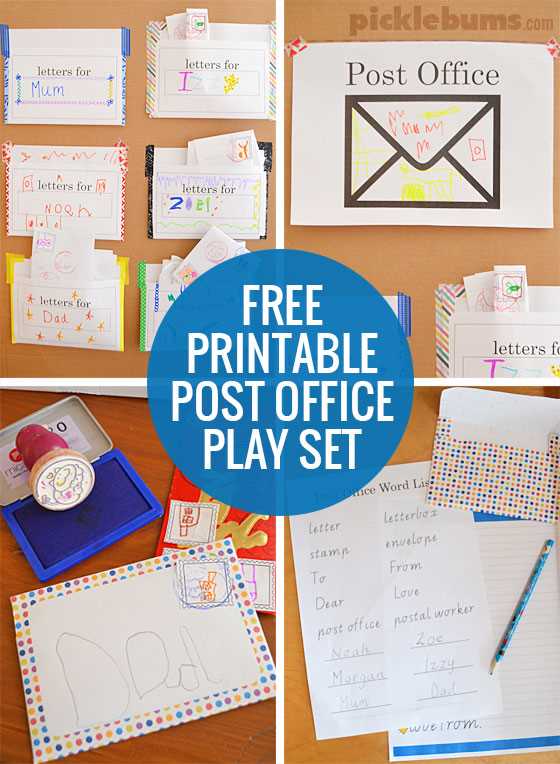
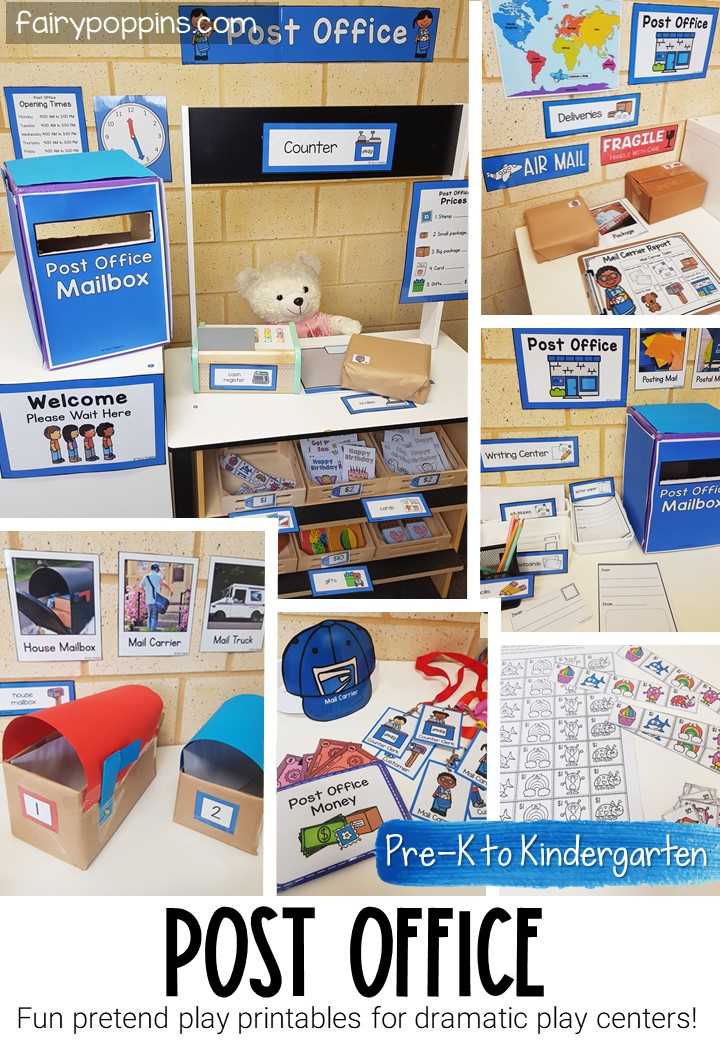
Incorporating sorting bins into the setup is a great way to enhance the role-playing. Label bins with names of different locations or addresses, encouraging children to sort the letters based on their destination. By physically sorting the letters, children improve organization skills and gain a deeper understanding of how mail is handled. You can create different categories such as ‘local,’ ‘international,’ or ‘priority’ for added complexity.
Once the sorting is complete, give children the task of ‘delivering’ the items. Set up different stations in the room representing various destinations, and have them walk or pretend to deliver the items to each spot. This adds a movement element and reinforces the concept of delivery routes and logistics.
Tips for Enhancing the Learning Experience with Props
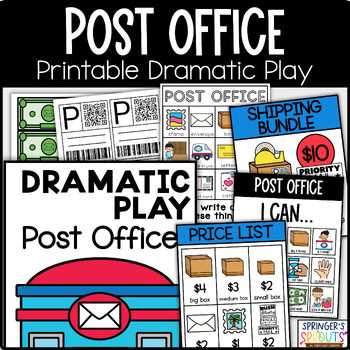
Props like small envelopes, postal bags, and pretend stamps are great tools to enhance the experience. Using real postage items like envelopes or old packaging can also offer an added level of realism. Children can fill out forms, attach stamps, and seal envelopes. You can even create ‘money’ that kids can use to ‘buy’ stamps or mailing supplies, integrating math into the activity.
As children engage in this imaginative activity, they not only learn about the mechanics of a postal system but also develop valuable social skills by interacting with others, following instructions, and collaborating on tasks like sorting and delivering. Adding themed music, such as sounds of a busy post office, can further immerse them into the role-play.
Creating a Fun Postal Experience for Kids with Printable Tools
To begin setting up a postal-themed activity, print out simple materials such as letter templates, mock envelopes, and address labels. Children can use these to write messages, address envelopes, and even practice placing stamps. This hands-on activity not only entertains but also helps improve writing, reading, and organizational skills.
Start by providing each child with a stack of blank letters and a few decorated envelopes. These can be printed with spaces for sender and recipient names. Encourage kids to write simple notes or drawings, which they can then fold and seal in the envelopes. Use colorful markers or crayons to enhance the visual appeal, making the activity more engaging.
A helpful tool for creating an authentic experience is to add mock postage stamps. Print out different designs and let the kids cut them out and paste them onto their letters. You can also create “priority” or “international” labels to introduce different types of mail, allowing children to categorize their letters before sending them out for delivery.
Incorporating a sorting station where children can organize letters by type (e.g., local, international, urgent) is another fun and educational addition. Label each sorting bin with the type of mail and allow children to practice sorting the envelopes accordingly. This encourages critical thinking as they determine where each letter should go.
For a more immersive experience, set up a pretend “delivery” route where children can walk around the room delivering their letters to different stations. For example, create different “mailboxes” or “homes” throughout the space, allowing the children to walk around as if delivering packages. This provides both a physical and imaginative element to the activity, reinforcing their understanding of a mail delivery system.