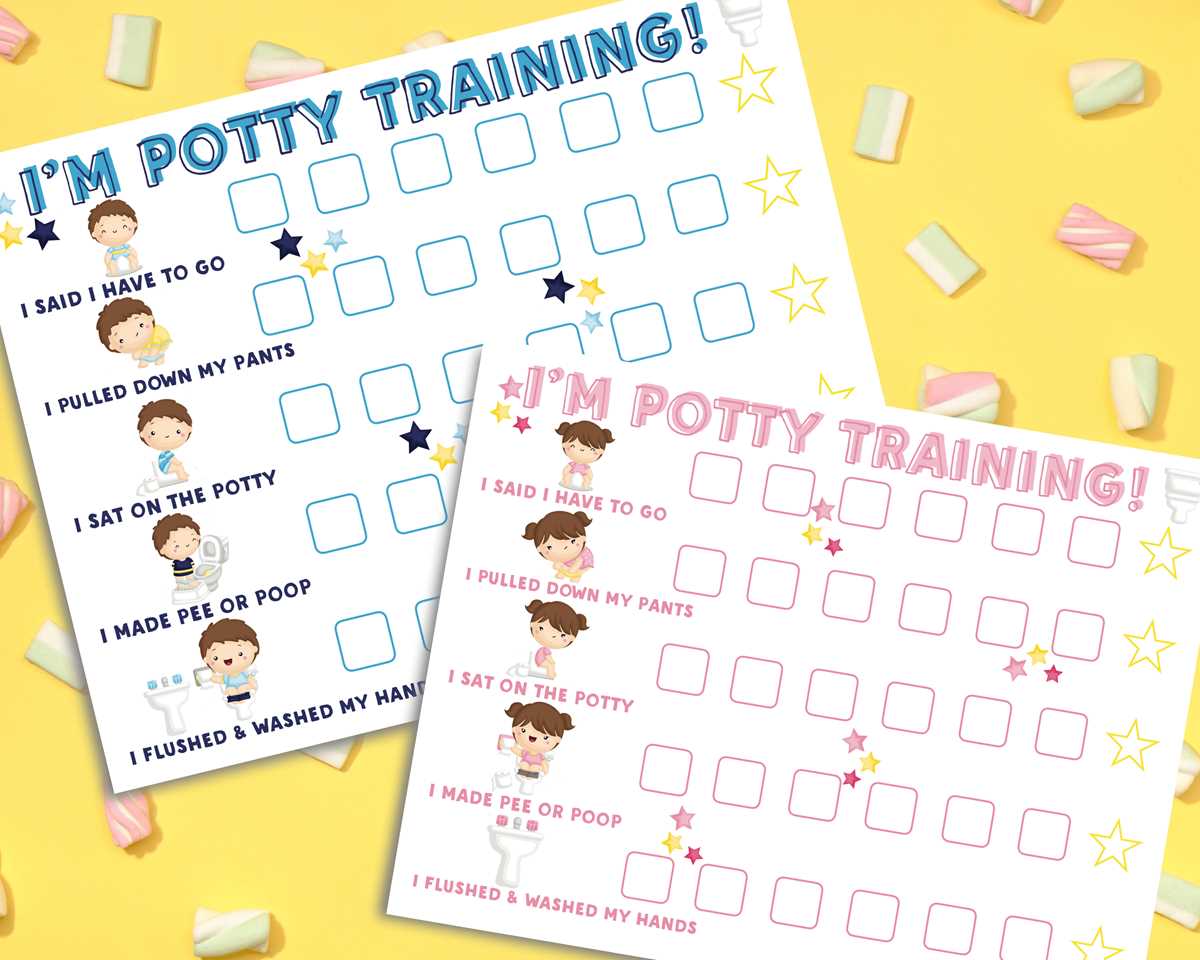
Use a daily reward tracker with 5 to 7 small boxes per day to monitor each bathroom attempt and success. A single A4 or US Letter page divided into a weekly grid allows clear visibility of progress and reduces confusion for young children. Choose large icons (at least 2 cm wide) so stickers fit without covering adjacent spaces.
Set specific milestones such as “sit for 2 minutes,” “stay dry for 3 hours,” and “independent hand washing.” Assign one sticker per completed action and a larger reward after collecting 10 to 15 marks. This measurable structure helps caregivers avoid vague praise and keeps expectations consistent.
Keep the layout simple with no more than three colors and bold headings in 18–24 pt font. Add a visual key using clear symbols like a toilet icon, underwear image, and handwashing graphic to support children who are not yet reading. Laminate the sheet or place it in a plastic sleeve so it can be reused with dry-erase markers.
Review progress at the same time each evening and mark completed goals together. Consistent timing and visible tracking increase engagement and reduce resistance during bathroom routines.
Potty Training Charts Printable Free
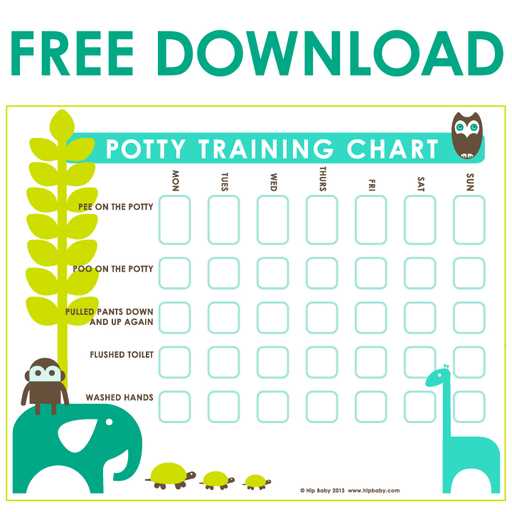
Choose a reward tracker with one full week on a single page and at least 35 small squares to record each bathroom visit. A 7×5 grid works well for toddlers who attempt the toilet five times per day. Keep each square at least 2×2 cm so standard stickers fit without overlap.
Select a layout that separates attempts from successes using two simple symbols. For example:
- Circle icon for sitting on the toilet
- Star icon for successful use
- Water drop icon for hand washing
This structure avoids confusion and allows caregivers to track patterns such as frequent attempts with few successes.
Print the sheet on 160–200 gsm paper to prevent tearing during daily handling. If heavier stock is unavailable, place the page inside a clear plastic sleeve and use dry-erase markers. This reduces the need to reprint multiple copies each week and keeps records visible on a wall or refrigerator.
Set measurable goals rather than vague expectations. Use a simple reward ladder:
- 5 stickers = small praise reward
- 15 stickers = choose a bedtime story
- 30 stickers = small toy or activity
Visible milestones maintain motivation without overwhelming the child.
Place the tracker at eye level, approximately 90–110 cm from the floor, so the child can attach stickers independently. Autonomy increases participation and reduces resistance during bathroom routines.
Review progress at the same time each evening and mark results immediately after each visit. Consistent recording builds a predictable habit and allows adults to identify dry intervals, common accident times, and readiness for underwear during the day.
Limit decorative elements to simple colors and large fonts above 18 pt. Clean design improves readability and keeps attention focused on daily achievements rather than background graphics.
How to Choose a Reward Tracking Layout for Toddlers
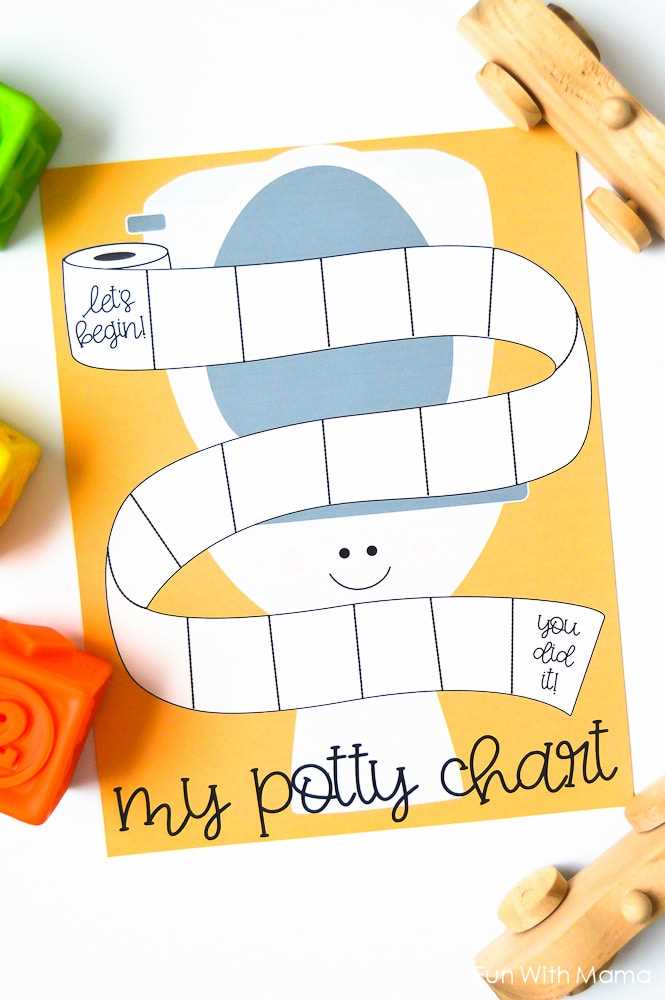
Select a visual tracker with no more than 20 spaces per page for children under three years old. A compact 4×5 grid prevents overload and keeps goals within reach. Each box should measure at least 2 cm wide so small hands can place stickers without frustration.
Use clear visual cues instead of text-heavy instructions. Toddlers respond better to icons such as stars, smiley faces, or simple toilet symbols. Avoid more than three types of icons on one sheet; too many symbols reduce clarity and slow understanding.
Choose a horizontal layout if the sheet will be placed on a refrigerator or wall at eye level. Vertical formats work better when attached near the bathroom door. Position matters because children need direct visibility to connect actions with rewards.
Include a short-term milestone row separate from the main grid. For example, after 5 successful attempts, highlight a larger reward square at the bottom. This layered structure builds motivation without requiring a long wait for recognition.
Keep background graphics minimal and maintain high contrast between boxes and page color. Black outlines on white paper improve readability. If using colored paper, limit shades to soft pastels so stickers remain visible.
Allow space for caregiver notes in a narrow column on the right side. A 2–3 cm margin is enough to record patterns such as dry mornings or frequent afternoon attempts. These notes help adjust daily routines based on observable behavior.
Replace the sheet weekly rather than extending it indefinitely. Short cycles maintain focus and prevent loss of interest. A fresh layout each week signals progress and supports consistent bathroom habits.