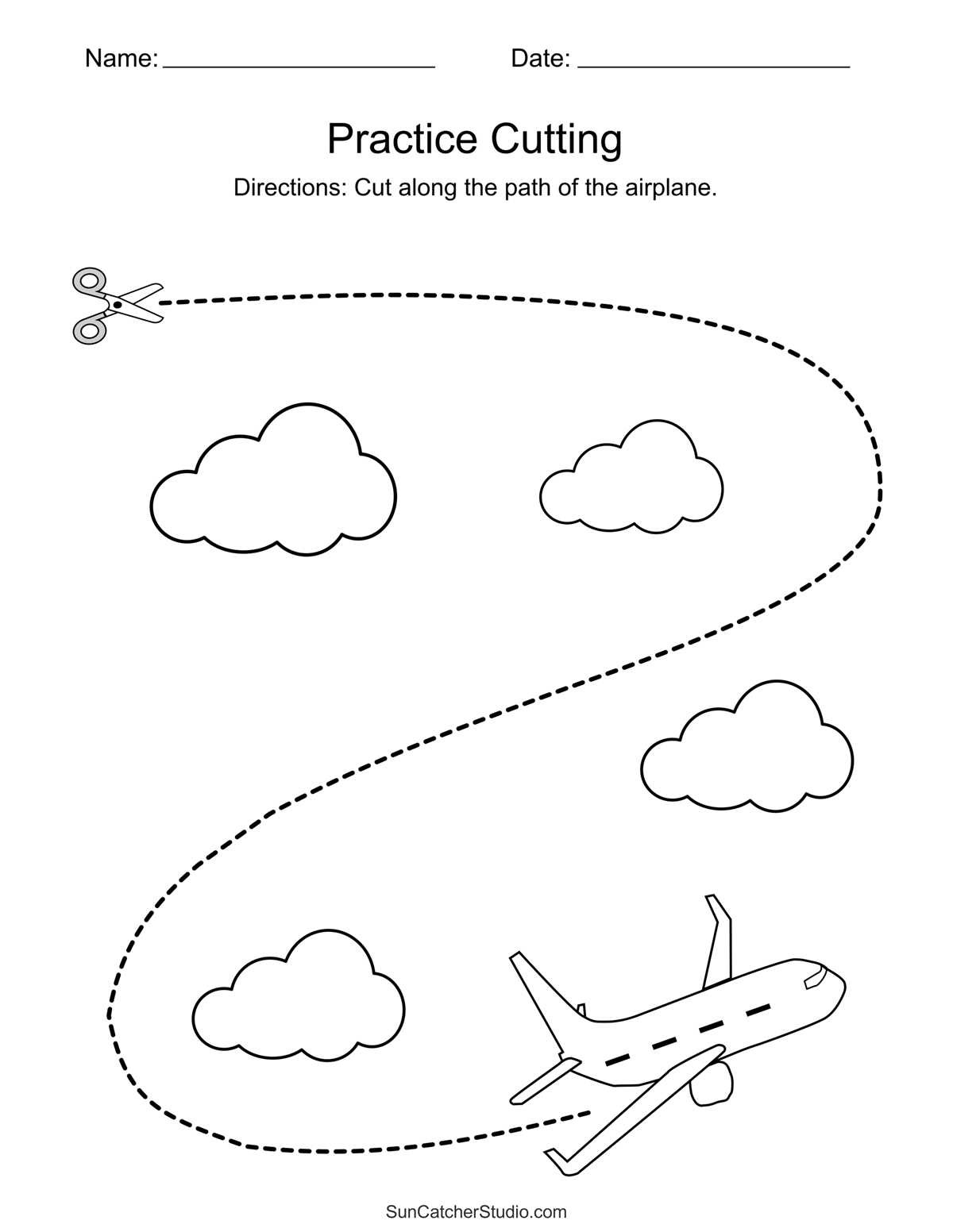
Introducing hands-on activities that focus on cutting can significantly enhance a child’s fine motor development. These exercises build hand strength, coordination, and control, making them essential for early learning. By providing children with worksheets that involve cutting along straight lines, curves, or simple shapes, you can help them refine these skills in a fun and engaging way.
To make the most out of cutting activities, start with patterns that are easy to follow. Straight lines and simple shapes like circles or squares are ideal for beginners. As their confidence and ability grow, gradually introduce more complex designs, such as zigzags or irregular curves. This progression ensures that the child can master the basic skills before tackling more intricate tasks.
Incorporating these exercises into daily routines also allows for consistent practice. Whether at home or in an educational setting, making cutting exercises a regular part of the day helps children improve their precision and dexterity. Try to use safe, child-friendly tools that offer a comfortable grip to ensure a smooth and enjoyable experience for young learners.
Cutting Skills for Young Learners
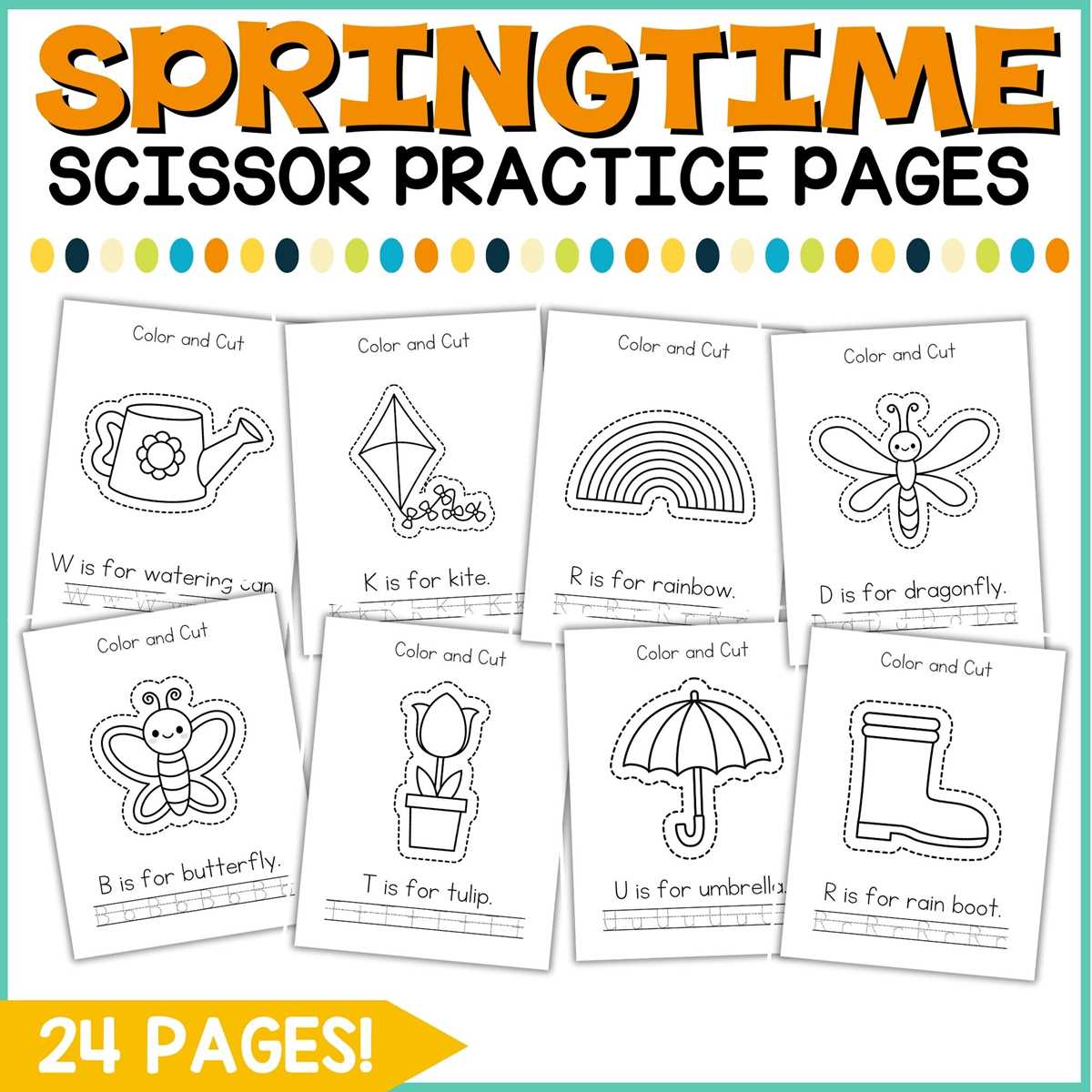
Providing children with activities that involve cutting shapes enhances fine motor abilities and hand-eye coordination. Focus on simple designs such as straight lines, zigzags, and basic curves to ensure they start with manageable tasks. These exercises help with grasping control of tools and developing strength in their hand muscles.
When introducing these tasks, consider starting with thicker paper or cardstock. It provides more resistance and offers a better experience for young learners who may struggle with thin paper that tears easily. Gradually introduce more challenging materials as their skills improve.
Ensure that the lines they are cutting are bold and clear. Thin lines may be hard to follow for beginners, which can cause frustration. Keep the shapes basic, such as geometric figures or simple animals, to make the cutting process more enjoyable.
Use templates or pre-designed guides that children can trace before cutting. These guides give them a sense of direction and a clearer goal, boosting their confidence. Over time, they’ll begin to follow freehand lines, but starting with outlines will ensure they don’t lose motivation early on.
Incorporate repetition to help with muscle memory. Children benefit from repeating tasks like cutting straight lines or circles several times. The more they practice, the better their control and precision become, which eventually translates into improved ability in other areas requiring fine motor skills.
Lastly, make the activity enjoyable by combining it with art projects. Encourage kids to cut out pieces to create collages or simple crafts. By making the cutting task part of a larger creative activity, they’ll stay engaged and eager to practice more.
How to Choose the Right Tools for Cutting Activities
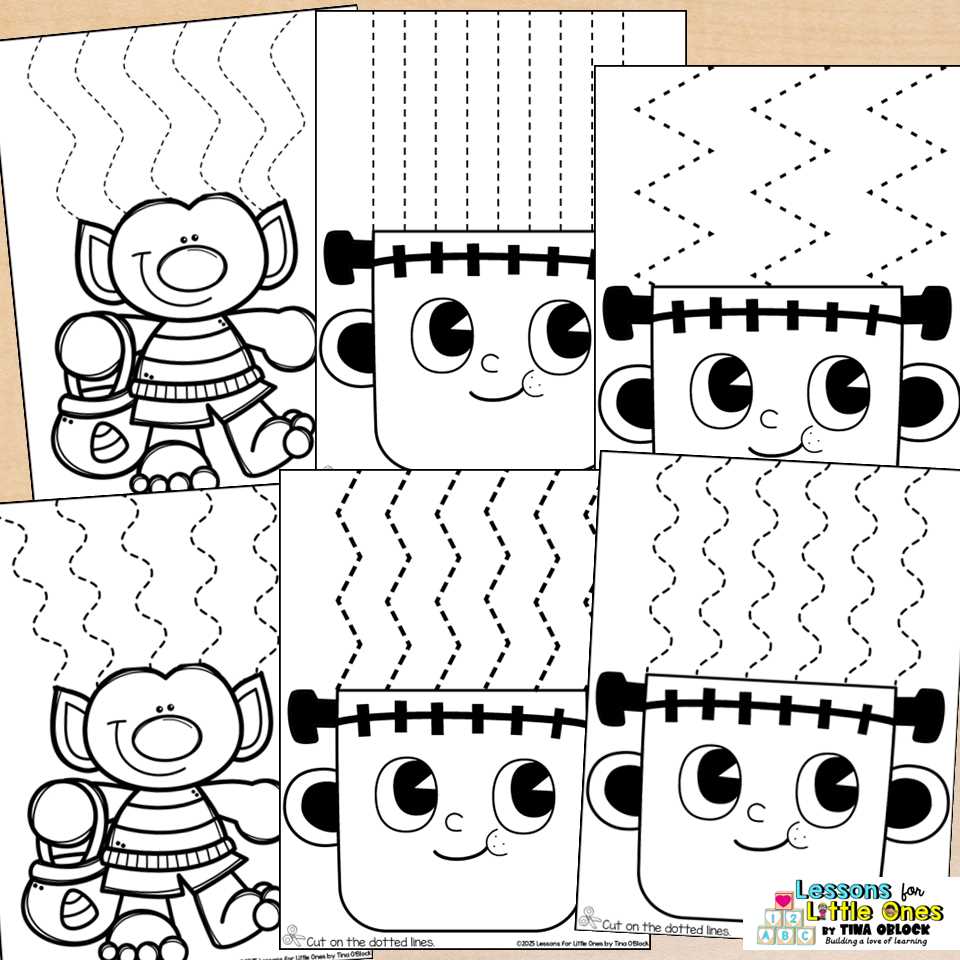
Begin by selecting materials that focus on basic shapes and lines. Simple straight lines or zigzags are great for beginners, as they help children improve their coordination and control. Avoid overly complicated designs or too many curves at first. This ensures success and builds confidence.
Consider the size of the images and shapes. Large designs offer more room for error and make it easier for little hands to manage. Smaller elements may be frustrating for those still developing their motor skills. Start with larger images and gradually reduce the size as the child improves.
Look for templates that use bold, clear outlines. Thin, intricate lines can be hard to follow, especially for young children who are just learning to manipulate tools. Bold lines help keep focus and encourage precision in the cutting motion.
Incorporate varied themes to keep the child engaged. Whether it’s animals, cars, or nature, choosing images that are familiar or interesting to the child will make the activity more enjoyable. Relevance can motivate children to participate and complete the activity.
Choose designs with a consistent level of difficulty throughout. Mixing easy and hard shapes in one set can lead to frustration. Maintain a gradual increase in difficulty to ensure a smooth progression, helping the child feel a sense of accomplishment with each new challenge.