Key Strategies for Building Writing Skills
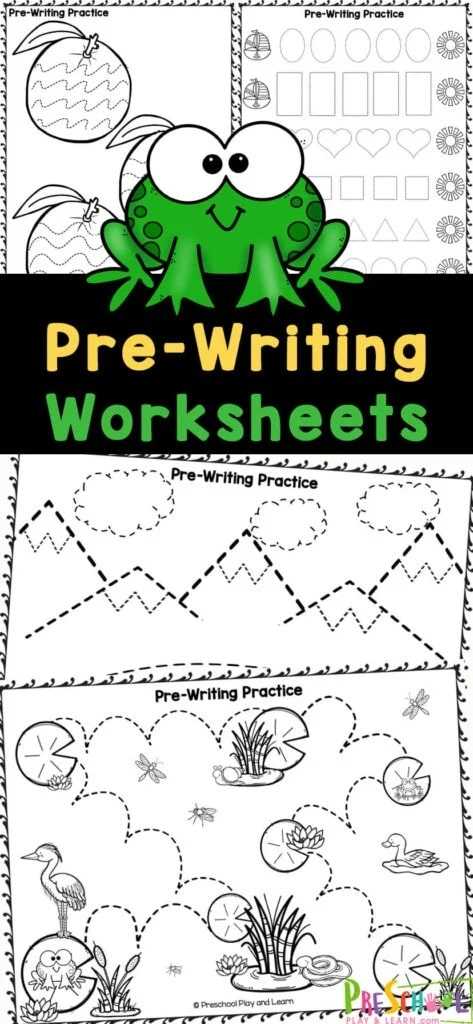
For young learners or beginners in writing, using structured activities can significantly boost their abilities to organize thoughts and create coherent sentences. Focused exercises targeting specific skills can help develop fine motor control, letter formation, and sequencing skills. Activities designed to encourage writing in various forms, from tracing lines to composing simple words, help build foundational skills essential for later stages of writing.
1. Tracing Exercises
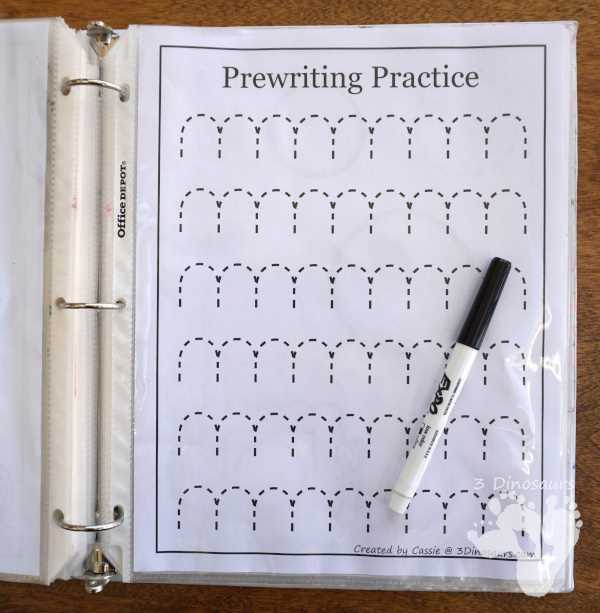
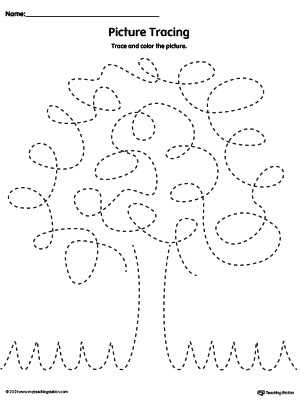
Incorporating line tracing is one of the most effective ways to strengthen hand-eye coordination. It encourages control of the writing instrument, making it easier to form letters later. These activities often include dotted lines that can be traced over, providing a structured yet flexible approach to improving handwriting skills.
2. Letter Formation Sheets
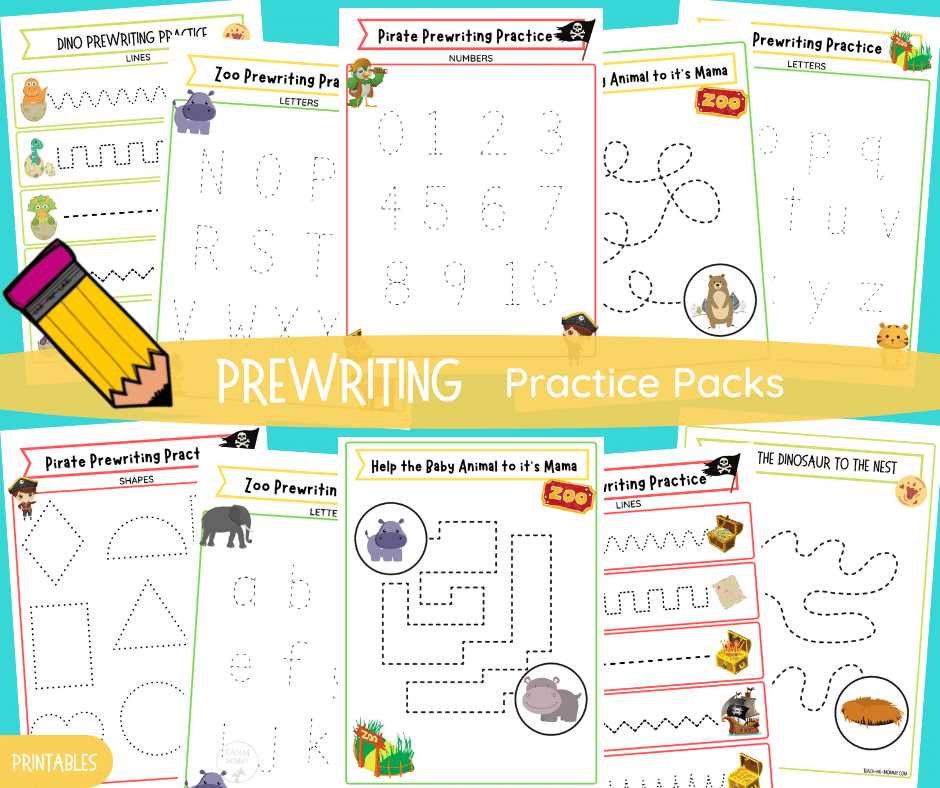
Simple worksheets designed for practicing the shapes of individual letters can be used to establish a solid writing foundation. These exercises typically break down each letter into steps, showing how to begin and end each character. Consistent repetition fosters muscle memory, which is essential for developing legible handwriting over time.
3. Word Construction Activities
Building words from individual letters is a key step in connecting the knowledge of the alphabet with practical writing skills. By offering letter blocks or spaces for each word, learners can practice spelling and writing simple terms. This method allows them to understand how different letters form the sounds and structure of words.
Effective Methods for Strengthening Writing Skills
Once the basics are established, the focus should shift toward creating full sentences and improving overall writing fluency. The following exercises work towards increasing writing speed and precision, making the process more natural and less intimidating.
1. Sentence Completion Exercises
Providing a starter phrase or part of a sentence and leaving space for the learner to complete it encourages both creativity and understanding of sentence structure. These types of exercises guide young writers to think about how words connect and create meaning while still giving them the freedom to express ideas.
2. Picture Prompts
Using pictures as prompts helps stimulate imagination and promotes writing in a more enjoyable and less forced manner. Learners can describe what they see, write a story based on the image, or answer questions related to it. This practice also improves their ability to describe settings, characters, and actions, all of which are essential to story writing.
3. Rhyming and Alliteration Games
Incorporating sound-based writing activities, such as rhyming or using alliteration, can make writing fun while also strengthening phonemic awareness. These exercises assist in building a deeper understanding of how sounds work within language, making it easier for students to grasp spelling, sentence construction, and rhythm in writing.
Conclusion
Focused writing activities can provide essential support for those at the beginning stages of developing writing skills. By using structured exercises such as tracing, letter formation practice, word construction, and sentence creation, learners gain the necessary tools to build confidence and fluency in their writing. Tailoring these activities to the individual needs of each student will maximize their potential and prepare them for more complex writing tasks in the future.
Boosting Writing Skills with Structured Worksheets
Provide students with lined sheets that guide their hand movements. These worksheets can focus on letter formation or word construction, helping develop muscle memory. Offer a variety of line thicknesses and spacing for different stages of writing ability.
Introduce drawing activities where children sketch objects related to a word. This visual link encourages creative thinking and word association, reinforcing their understanding of how words and images connect. Choose simple, everyday objects to make it engaging and relevant.
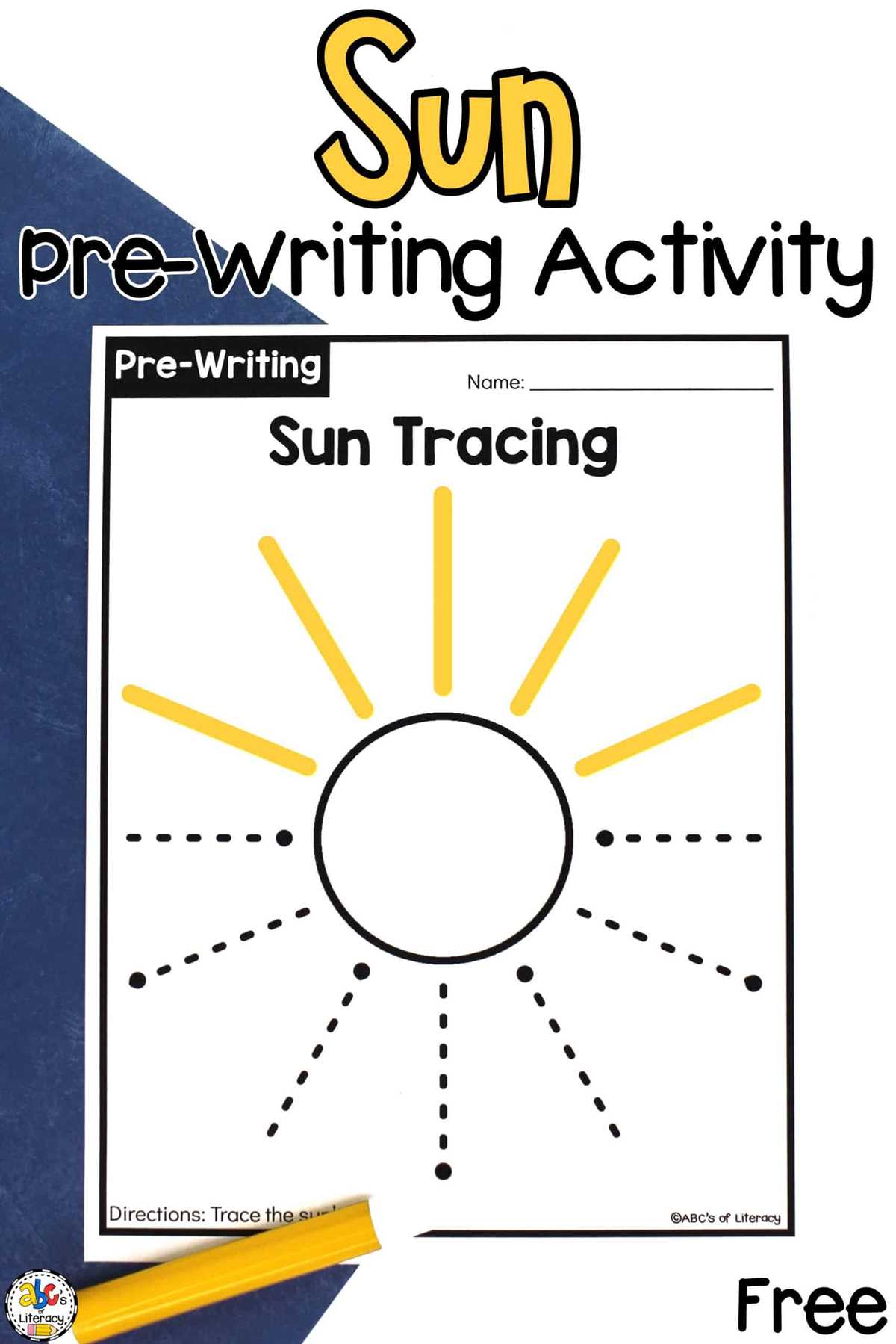
Try activities that involve tracing dotted lines. This technique helps young learners focus on correct letter orientation and the fluidity of writing. Start with basic shapes and progress to more complex forms to steadily build confidence and accuracy.
Set up exercises where students match letters to sounds. This strengthens phonemic awareness and aids in linking writing with speaking. Use flashcards or visual cues to pair letters with corresponding images of objects starting with that letter.
Encourage sentence construction with fill-in-the-blank exercises. This develops understanding of sentence structure while keeping the process interactive. Provide simple prompts that gradually introduce new vocabulary and concepts to challenge the student’s growing skills.
Finally, offer guided writing tasks that ask children to complete a short story or sentence based on a starter. This promotes both creative thinking and writing skills, as it requires students to form ideas and express them clearly. Over time, increase the complexity of the prompts to maintain steady progress.