Select a high-resolution PDF image of a US currency note with front and back aligned on separate sheets; this supports clear visuals during lessons and avoids confusion when handling replicas.
Sources and File Features to Check
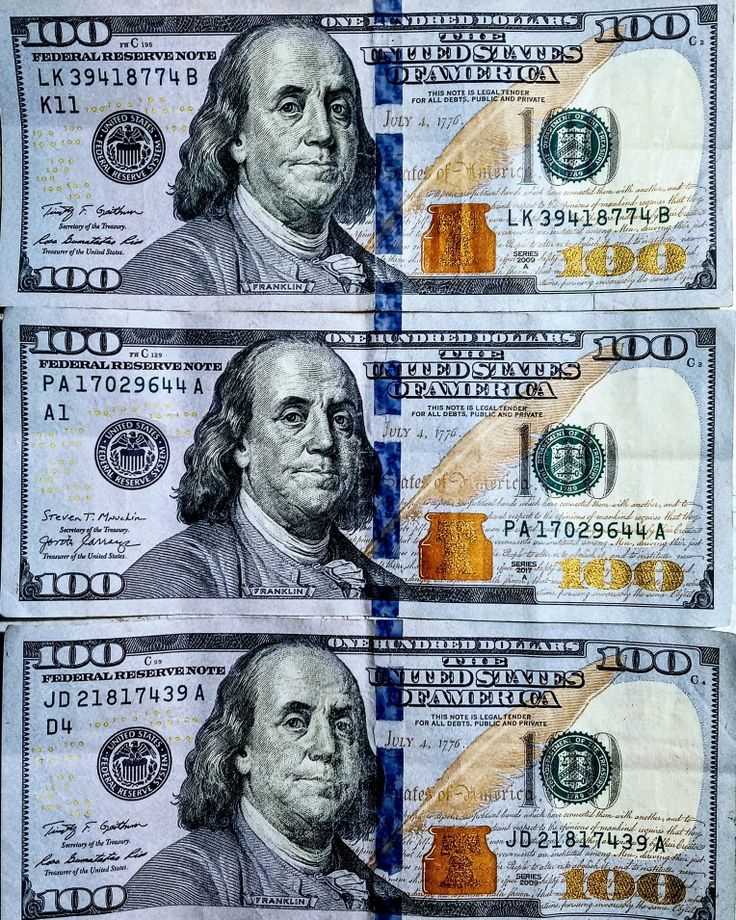
Educational resource sites, theater prop catalogs, and teacher communities often share downloadable currency note images designed for school and stage use. Look for files marked as grayscale-friendly and sized for A4 or US Letter.
Resolution should be at least 300 DPI to keep fine details readable, such as portraits, borders, and seals. Low-resolution files blur quickly and distract during demonstrations.
Paper and Setup Recommendations
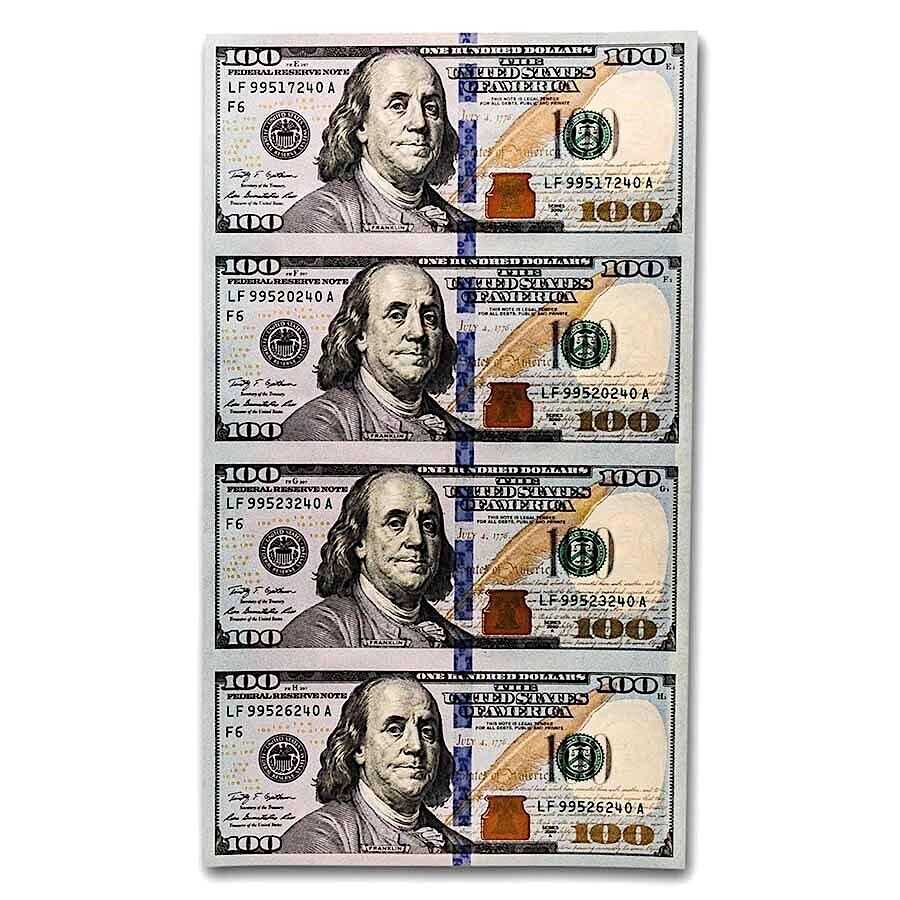
- Standard copy paper for worksheets and games
- Cardstock for role-play or display boards
- Single-sided prints to avoid alignment issues
Classroom and Creative Uses
Math lessons benefit from realistic currency images during counting, budgeting, and comparison tasks. Students grasp value differences faster when visuals match real designs.
Safe and Appropriate Applications
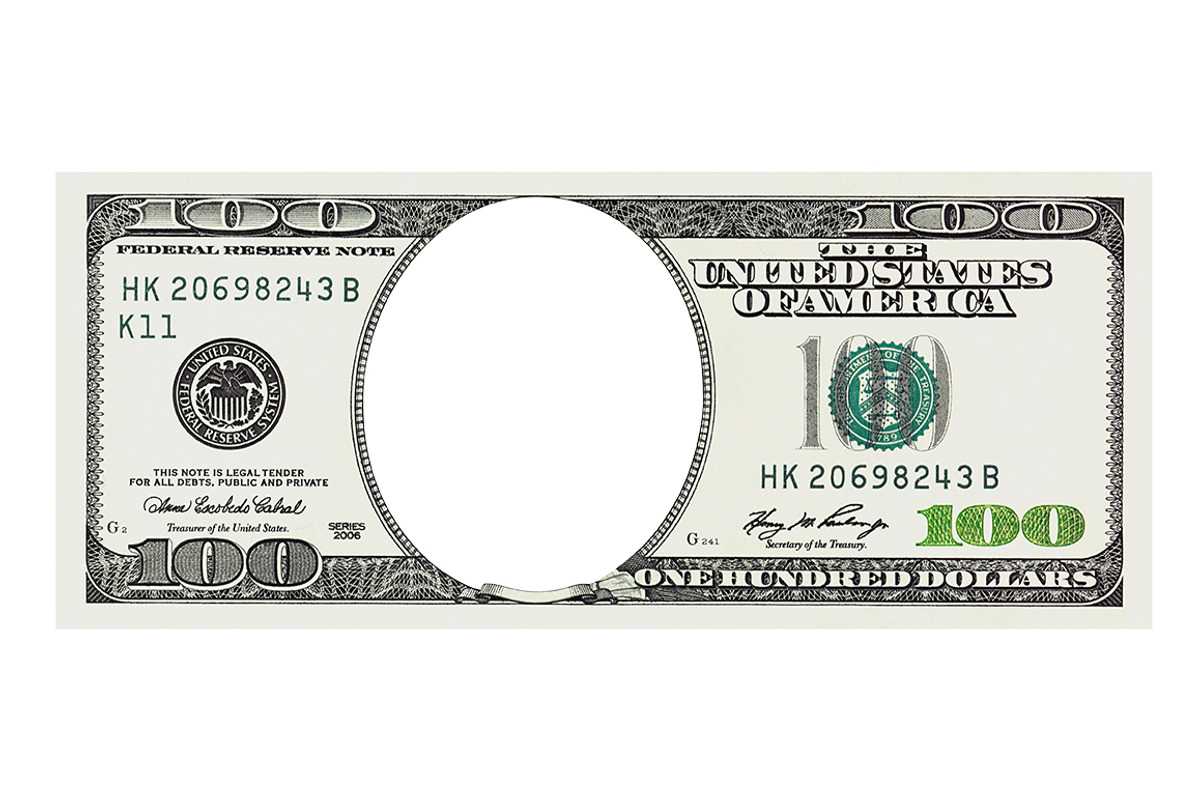
- Board games and classroom stores
- Drama and stage props clearly marked as replicas
- Visual aids for financial literacy units
Note: Add a small “specimen” label or change colors slightly to keep replicas distinct from real money during activities.
High-Value Currency Sheet for Learning and Display Use
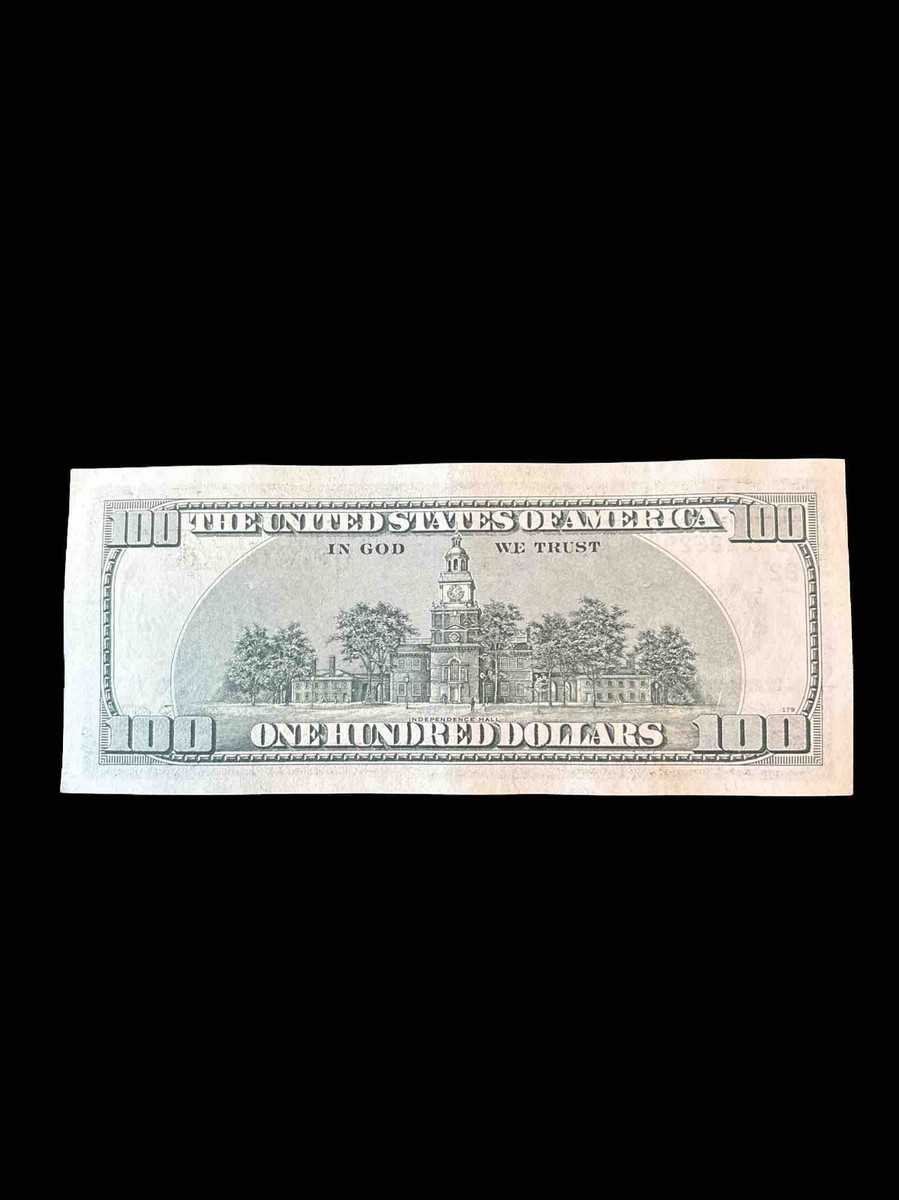
Use a high-resolution replica of a United States banknote with clear front and reverse layouts to support classroom demonstrations and visual displays without relying on real cash.
For math lessons, choose a file scaled to real-note dimensions so learners can compare size, layout, and design elements during counting, budgeting, and price-matching exercises.
Black-and-white versions work well for worksheets, while color versions suit wall boards or presentation folders. A resolution near three hundred DPI keeps fine lines, portraits, and seals sharp.
During group activities, place each paper note inside a transparent sleeve. This prevents wear and allows repeated handling across multiple lessons or game sessions.
For stage or exhibit use, print on light cardstock and slightly alter the background tone. This keeps replicas visually clear while avoiding confusion with genuine currency.
Classroom note: Add a small label such as “sample” or “learning copy” in the corner to maintain clarity during supervised activities.