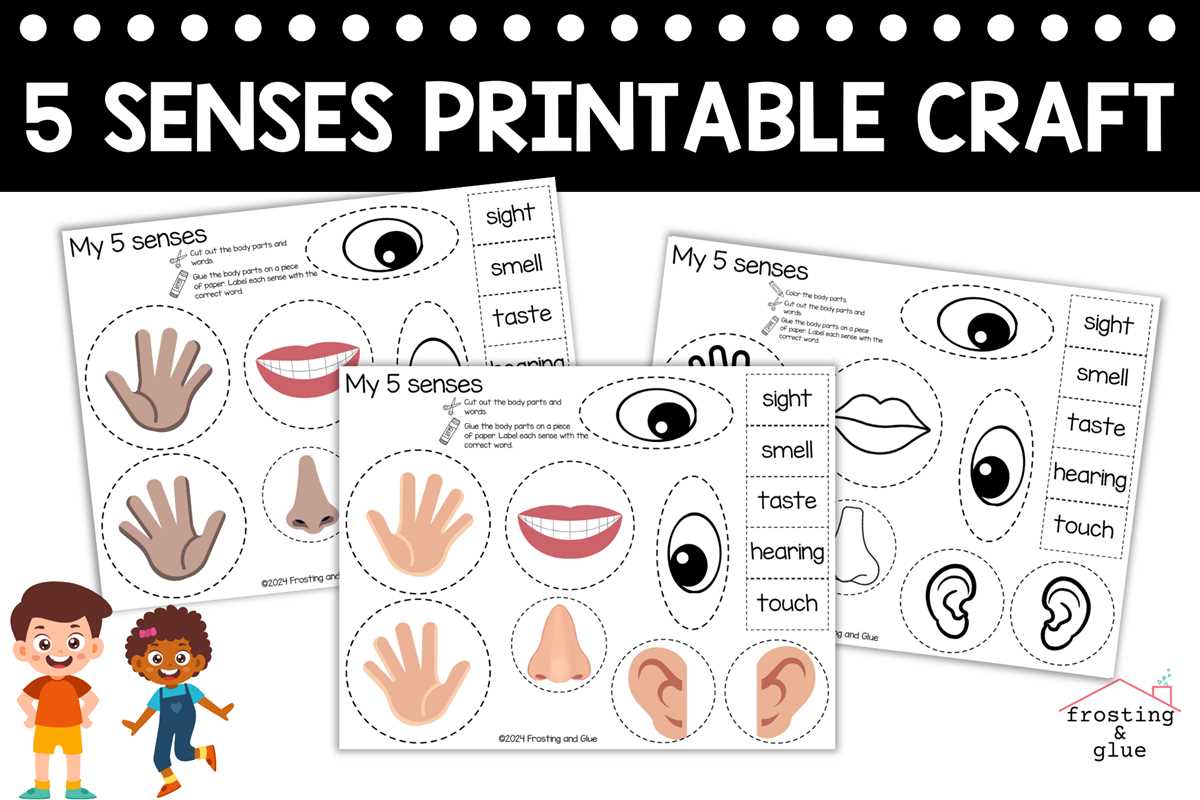
Start by downloading simple worksheets designed to enhance children’s awareness of touch, smell, sight, hearing, and taste. These activities typically include fun exercises where kids match or identify different sensory experiences. Choose designs that allow kids to color, draw, or label different items that correspond to each sense. This helps them build connections between abstract concepts and the real world.
How to Get the Best Results from Sensory Worksheets
First, ensure you are printing on thick, high-quality paper. This ensures durability, especially when using markers or crayons. After printing, laminate the sheets if you want to reuse them multiple times. Provide various coloring tools to keep the activity interesting–using markers for one sense and crayons for another can create a dynamic, engaging experience for young learners.
Before starting the exercises, explain the concept of each sense. For example, explain how taste involves the tongue, while sight involves the eyes. Help children connect images on the worksheet to real-life experiences. This approach not only keeps them entertained but also boosts their comprehension of the topic.
Creative Ways to Incorporate Sensory Learning into Playtime
Use the worksheets as a springboard for more interactive activities. For example, after completing a worksheet on taste, create a small tasting session with different foods and have the children identify their flavors. Similarly, after working on the sense of touch, let them explore objects of different textures like cotton, sandpaper, or velvet. This hands-on experience reinforces the worksheets and enhances their learning.
Another fun idea is to set up a sensory scavenger hunt. Have children look for objects around the house or yard that correspond to each sense. For sight, they could find something colorful. For sound, they could listen for a bird or the wind. This transforms the learning experience into an active exploration of the world around them.
Make It a Regular Activity
Incorporate these worksheets into your child’s daily routine. You can do a sensory activity every week, each time focusing on a different sense. Over time, children will build a well-rounded understanding of how their senses work together and how they play a role in everything they do.
Encourage Self-Reflection
After completing each task, ask your child how they felt about the exercise. Did they find it fun or difficult? Which sense did they enjoy exploring the most? This type of reflection encourages critical thinking and helps children articulate their thoughts and preferences, boosting their language and communication skills.
These activities are a simple, engaging way to support sensory development in young children. By combining worksheets with real-world experiences, kids not only learn about their senses but also gain a deeper appreciation for how they interact with their environment.
Activities for Exploring the 5 Human Perceptions
To engage kids, create exercises where they can match real-world objects to specific activities. For example, for the sense of smell, provide various scented items like flowers or spices and ask them to guess what they are. For touch, have them feel different textures like smooth, rough, or soft materials and describe how each feels. This approach helps them connect abstract concepts to tangible experiences.
Another fun activity is setting up a sensory station with simple materials like colored water, objects with different temperatures, and sounds. Have kids experiment with these stations by sorting items based on sight, hearing, or touch. This hands-on experience not only reinforces learning but also gives children the freedom to explore on their own, boosting both their creativity and curiosity.